Arabic is one of the world’s oldest, richest, and most widely spoken languages. With over 400 million speakers globally, it is deeply rooted in culture, hospitality, and connection. Whether you are traveling to an Arabic-speaking country, communicating with colleagues, or studying the language, understanding Arabic greetings is your ultimate superpower.
In Arab culture, a greeting is far more than a simple “hello.” It is an exchange of goodwill, a reflection of mutual respect, and an immediate investment in a relationship. From formal introductions in a corporate boardroom to casual everyday conversations on the streets of Cairo, using the right greeting opens doors and hearts.
This comprehensive guide combines standard linguistic foundations with regional dialects and cultural etiquette to help you master Arabic greetings with absolute confidence.
Table of Contents
Why Learning Arabic Greetings Is Important
Learning greetings is the essential first step in mastering any language. Because greetings are used in almost every single human interaction, they provide a strong foundation for natural conversation.
By mastering these phrases, you will enjoy immediate practical benefits:
- Making Positive First Impressions: Starting an interaction with the correct cultural phrase instantly shows warmth.
- Showing Respect for Arab Culture: Native speakers deeply appreciate foreigners who take the time to learn their customs.
- Building Genuine Relationships: Greetings break the ice and build trust with native speakers, neighbors, or business partners.
- Boosting Speaking Confidence: Because greetings follow predictable patterns, they give you an easy, error-free way to start speaking Arabic immediately.
- Enhancing Travel Experiences: Navigating markets, hotels, and transit becomes seamless when you can greet locals politely.
Overcome the initial friction of learning a new language framework and build bulletproof basic comprehension through a premium Arabic Course For Beginners at Denk Arabisch customized entirely for busy executive calendars.
The Universal and Standard Arabic Greetings (Modern Standard Arabic)
Modern Standard Arabic (Fusha) is the literary, official version of the language used in news broadcasts, literature, and formal diplomacy across all 22 Arab countries. No matter where you travel, these standard greetings will be understood by every single Arabic speaker.
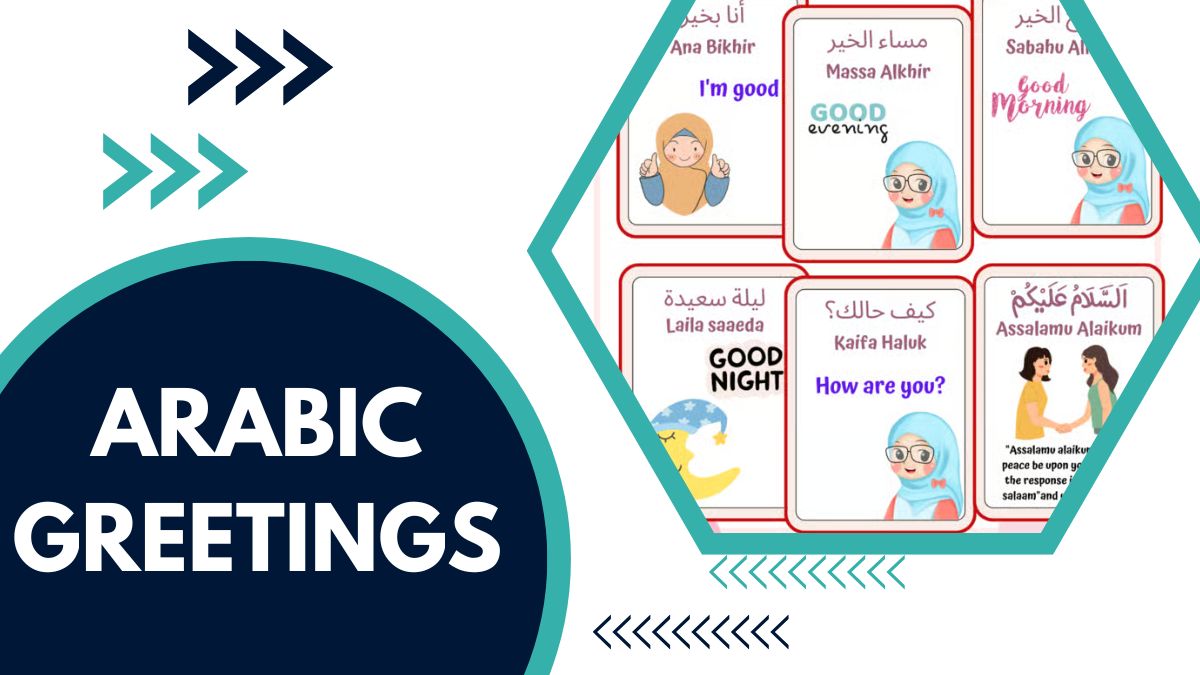
1. The Ultimate Arabic Greeting: As-Salamu Alaykum
If you only memorize one phrase from this guide, let it be this one. It is the absolute cornerstone of Arabic communication.
السلام عليكم (As-Salamu Alaykum)
- Literal Meaning: “Peace be upon you.”
- How to Use It: This is the most famous and versatile greeting in the Arab world. While religious in origin, it is used as a standard social greeting by Muslims and non-Muslims alike. It is perfectly appropriate for both highly formal environments and casual daily encounters.
- The Response: وعليكم السلام (Wa Alaykum As-Salam) – “And upon you be peace.”
2. Formal Good Mornings and Good Evenings
Just like in English, Arabic features time-specific greetings. However, the Arabic versions function as a beautiful, poetic exchange of blessings rather than a simple statement about the weather.
Good Morning: صباح الخير (Sabah al-Khair)
- Meaning: “Morning of goodness.” Used from early morning until noon.
- The Response: صباح النور (Sabah an-Noor) – “Morning of light.”
Good Evening: مساء الخير (Masa’a al-Khair)
- Meaning: “Evening of goodness.” Used from late afternoon through the evening.
- The Response: مساء النور (Masa’a an-Noor) – “Evening of light.”
3. Standard Ways to Say “Hello” and “Welcome”
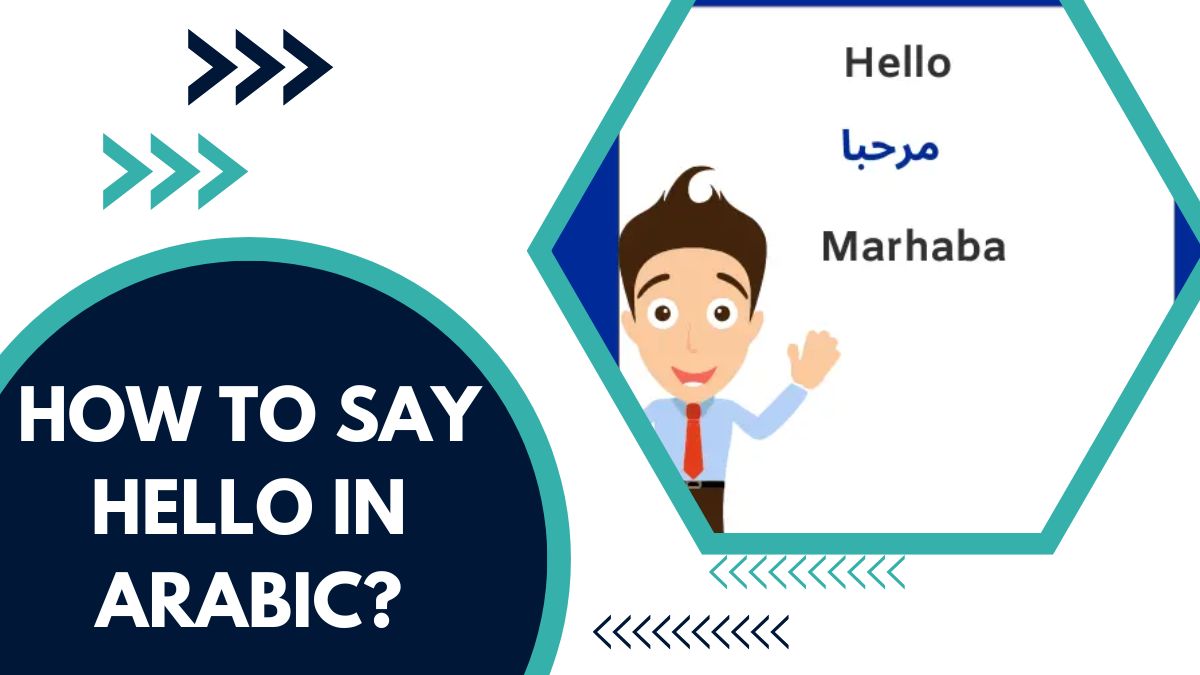
- Marhaban (مرحبًا): This is one of the easiest Arabic greetings to learn. It simply means “Hello” and can be used comfortably in almost any situation.
- Ahlan (أهلًا): Meaning “Hi” or “Welcome,” this is a shorter, warmer variation commonly used among friends, family members, and casual acquaintances.
- Ahlan Wa Sahlan (أهلًا وسهلًا): This full phrase translates broadly to “Welcome.” Because hospitality is a premier value in Arab culture, you will hear this expression constantly when entering someone’s home, a restaurant, or a local business.
Break right through your intermediate plateaus and transition directly into sophisticated, high-tier articulation when you join our interactive Arabic Courses Based On Levels at Denk Arabisch built for ambitious learners.
Asking About Someone’s Well-Being and Responding Correctly
In many Western cultures, asking “How are you?” is a rapid, often rhetorical formality. In the Arab world, it is a genuine inquiry into your life and health. Skipping this step can make a conversation feel rushed or cold.
How to Ask:
- Formal (Fusha): كيف حالُك؟ (Kayfa Haluka? when speaking to a male) / (Kayfa Haluki? when speaking to a female).
- Casual/Universal: كيف الحال؟ (Kayf al-hal? – “How is the condition?”).
How to Respond:
Culturally, it is customary to frame your response with an expression of gratitude to God for your health, regardless of how your day is actually going.
- Ana Bi-Khair (أنا بخير): “I am fine.”
- Al-Hamdulillah (الحمد لله): “Praise be to God.” This phrase can stand entirely on its own as a complete answer, signaling that you are doing well.
- Bi-khair, al-Hamdulillah (بخير، الحمد لله): “Fine, praise be to God.”
- Tamam (تمام): A popular, universal word meaning “Great,” “Fine,” or “Perfect.”
Fine-tune your advanced sentence architecture or build your spontaneous listening stamina through interactive Arabic Courses Based On Skills & Topics at Denk Arabisch engineered specifically for goal-oriented adults.
Navigating Regional Dialects (Ammiya)
While Fusha is universally understood, everyday life happens in regional dialects (Ammiya). If you want to blend in naturally and speak like a local, incorporating dialect-specific phrases is key. The Arab world is generally split into four major dialect groups:
1. Egyptian Arabic (Egypt)
Egypt is the cultural, cinematic, and musical hub of the Arab world, meaning almost every Arabic speaker understands the Egyptian dialect perfectly.
- Ezayyak? (إزيك؟): “How are you?” (addressed to a male).
- Ezayyik? (إزيكِ؟): “How are you?” (addressed to a female).
- Kuwayyis (كويس): “Fine” or “Good.”
2. Levantine Arabic (Lebanon, Syria, Jordan, Palestine)
Known for its soft, melodic cadence, Levantine greetings are highly conversational and exceptionally warm.
- Marhaba (مرحبا): The absolute go-to casual “Hello.”
- Keefak? (كيفك؟): “How are you?” (to a male). Keefik? is used for a female.
- Kullo Tamam? (كله تمام؟): “Is everything good?”
3. Gulf Arabic (UAE, Saudi Arabia, Qatar, Kuwait, Bahrain, Oman)
Gulf Arabic greetings reflect deep traditional roots, tribal heritage, and deep expressions of hospitality.
- Hala (هلا) / Ya Hala (يا هلا): A very common, enthusiastic way to say “Hi” or “Welcome.”
- Shlonak? (شلونك؟): “How are you?” (Literally translates to: “What is your color?”). Use Shlonik? for a female.
- Hala Wallah (هلا والله): A highly warm, enthusiastic greeting meaning “Welcome, my friend!”
4. Moroccan Arabic / Maghrebi (Morocco, Algeria, Tunisia)
Influenced significantly by the Amazigh (Berber) language and French, North African greetings are highly distinct from Middle Eastern dialects.
- Labas? (لاباس؟): “How are you? / Are you okay? / No harm?”
- Ki dayr? (كي داير؟): “How are you doing?” (to a male). Ki dayra? is used for a female.
Navigate casual travel and local networking circles with absolute cultural confidence by shifting to our specialized Arabic Dialect Courses at Denk Arabisch configured to your target geographical region.
Formal and Professional Arabic Greetings
In professional environments, corporate business meetings, or when speaking to an elder or someone in authority, it is best to use elevated, formal language to show proper deference.
- Tasharrafna (تشرفنا): Meaning “Nice to meet you” or “We are honored.” This is the standard phrase used when shaking hands during a new introduction.
- Saeed Bil-Liqaa’ (سعيد باللقاء): Meaning “Pleased to meet you.” This is an excellent, highly professional option for formal encounters and corporate emails.
- Marhaban Bik (مرحبًا بك): “Welcome to you.” This is a respectful way to welcome a client, guest, or international visitor to your place of work.
Read also: Numbers In Arabic 1–100 – A Complete Guide For Beginners
Religious, Welcoming, and Courteous Expressions
Many daily Arabic expressions carry traditional or spiritual origins. They are deeply woven into the fabric of daily vocabulary and are used constantly as automated markers of politeness.
- Insha’Allah (إن شاء الله): “God willing” or “Hopefully.” This is used whenever you speak about any future plan. For example: “I will see you tomorrow, Insha’Allah.”
- Mashallah (ما شاء الله): “God has willed it.” This is used to express admiration, praise, or joy for someone else’s good fortune, beauty, or achievements, protecting it from envy or negativity.
- Barak Allahu Feek (بارك الله فيك): “May God bless you.” A deeply polite and respectful expression used to thank someone or show immense appreciation for a favor.
- Tafaddal (تفضل): “Please come in,” “Go ahead,” or “Have a seat.” This is an essential word used when inviting a guest into a room, offering them food, or gesturing for them to speak.
- Sharraftana (شرفتنا): “You honored us with your presence.” A profoundly respectful expression used by a host when receiving guests into their home or business.
Bring profound clarity and routine to your spiritual life right from the comfort of home by joining our premier Quranic Arabic Course for German Speakers at Denk Arabisch before current cohorts reach maximum capacity!
Learn Arabic with Denk Arabisch Academy
Speak and understand Arabic through a clear and effective learning system
Try a Free TrialSaying Goodbye in Arabic
When it is time to wrap up a great conversation, you will want to end the encounter as beautifully and politely as you started it.
- Ma’as-Salama (مع السلامة): “With safety” or “Go with peace.” This is the most universal and common way to say goodbye across all regions and dialects.
- Ila-Lliqa’ (إلى اللقاء): “Until we meet again.” This is a more formal, classical option.
- Fi Aman Allah (في أمان الله): “In God’s protection.” A highly respectful and traditional farewell used frequently in the Gulf region.
Practical Arabic Greeting Dialogues
To help you visualize how these greetings operate seamlessly in real life, review these three daily conversational scripts.
Dialogue 1: A Standard Everyday Meeting
- Person A: السلام عليكم (As-Salamu Alaykum)
- Person B: وعليكم السلام (Wa Alaykum As-Salam)
- Person A: كيف حالك؟ (Kayfa haluk?)
- Person B: بخير، الحمد لله. وأنت؟ (Bi-khair, al-Hamdulillah. Wa ant?)
- Person A: أنا بخير أيضًا. شكراً. (Ana bi-khair aydaan. Shukran.)
Dialogue 2: A Morning Greeting
- Person A: صباح الخير (Sabah al-Khair)
- Person B: صباح النور (Sabah an-Noor)
- Person A: كيف أصبحتم؟ (Kayfa asbahtum? – How are you doing this morning?)
- Person B: بخير والحمد لله (Bi-khair wal-Hamdulillah)
Dialogue 3: Welcoming a Guest to Your Home
- Host: أهلًا وسهلًا! شرفتنا. (Ahlan wa sahlan! Sharraftana.)
- Guest: أهلاً بك، شكراً جزيلًا. (Ahlan bik, shukran jazeelan.)
- Host: تفضل بالدخول، مرحباً بك. (Tafaddal bil-dukhool, marhaban bik.)
Cultural Etiquette: The Do’s and Don’ts of Arabic Greetings
Understanding cultural norms is just as critical as pronouncing the words correctly. Keep these essential boundaries in mind to avoid social awkwardness:
1. Always Use Your Right Hand
Whether you are shaking hands, offering a business card, or gesturing toward a seat, always use your right hand. The left hand is traditionally reserved for personal hygiene and is considered discourteous in social settings.
2. Be Mindful of Gender Dynamics
Physical touch boundaries vary significantly. Among the same gender, warm, lingering handshakes (and even cheek kisses among close friends) are standard. Between different genders, it is best to let the other person initiate contact. If a handshake isn’t offered, simply place your right hand over your heart and bow your head slightly with a smile. This is considered an incredibly respectful gesture.
3. Take Time for Conversation
Never rush the greeting process. Jumping straight into business, a transactions, or asking for a favor immediately after saying hello can feel cold or transactional. Take a few minutes to ask about their well-being, health, or day.
Common Mistakes Beginners Make
Arabic greetings vary depending on the situation and relationship between speakers. While formal expressions are appropriate in professional or respectful settings, native speakers often prefer simpler and more relaxed greetings in everyday conversations with friends and family.
Understanding when to use formal and informal greetings will help you sound more natural and communicate more effectively.
1. Using Rigidly Formal Phrases Casually
While using Fusha is never wrong, saying “Kayfa haluka يا صديقي” to a close peer at a casual café can sound a bit like Shakespearean English. Mix in casual terms like Ahlan, Marhaba, or Ezayyak to sound more natural.
2. Forgetting the Required Response
Many learners memorize the initial greeting but freeze up on the reply. Remember that greetings function as call-and-response pairs. If someone says As-Salamu Alaikum, your automatic reflex must be Wa Alaikum As-Salam.
3. Ignoring Regional Variations
If you are traveling exclusively to Morocco, relying solely on Gulf expressions might cause confusion. Do a little research on your specific destination’s dialect beforehand.
4. Mispronouncing Key Sounds
Arabic contains unique throat sounds (like the letters ح and ع) that do not exist in English. Take time to listen to native speakers, watch videos, and mimic the sounds to refine your pronunciation.
Tips for Mastering Arabic Greetings
- Practice Daily: Incorporate a few greetings into your daily routine. Say them out loud to build muscle memory in your throat and jaw.
- Listen to Native Content: Watch Arabic movies, listen to regional podcasts, and observe how people speak in real life. Pay close attention to their body language during greetings.
- Memorize Both Sides of the Coin: Always study the greeting alongside its traditional response so you are never caught off guard in a live conversation.
Read also: Daily Arabic Phrases
What Our Students Say About Denk Arabisch Academy
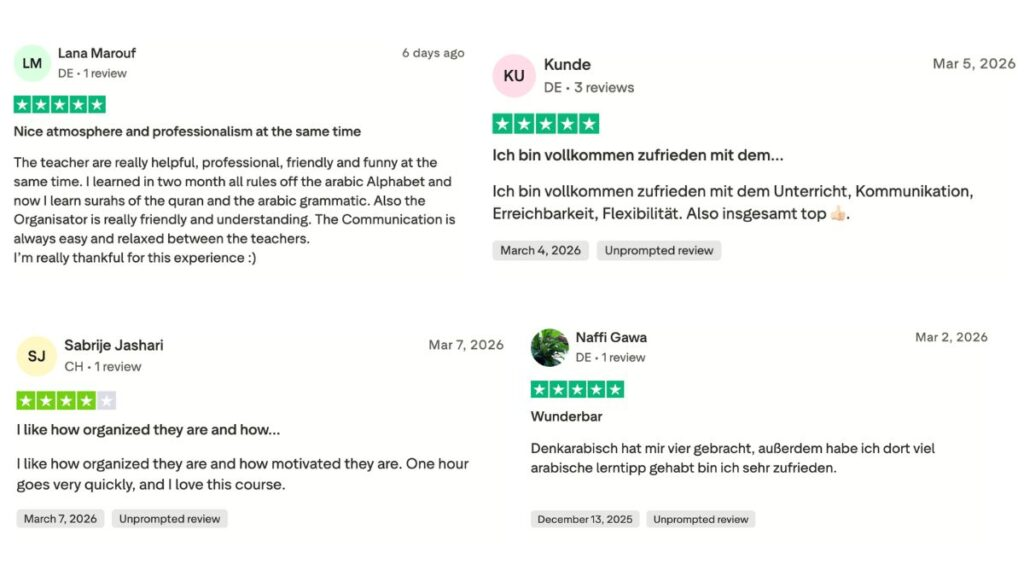
See what our students say about learning at Denk Arabisch Academy on Trustpilot. Read their experiences and check out more reviews to discover how our courses help improve Arabic.
Learn Arabic Greetings with Denk Arabisch!
Let’s skip the sugarcoating: you are reading this because you are tired of compromising. Puzzling together random translation apps and saving endless social media reels gives you the illusion of studying, but it won’t give you fluency. It keeps you silent during conversations, insecure about your pronunciation, and stuck decoding sentences word by word. To command the language, you must walk away from amateur habits and embrace an engineered, professional framework.
The launch countdown for our live, premium cohorts is officially active. To guarantee real-time correction and deep, unhurried interaction with your instructor, every single classroom capacity is heavily restricted. Once these live groups hit their cap, enrollment closes tight for the rest of the term with zero exceptions.
Our Courses:
- Arabic Course For Beginners: Don’t let a new alphabet stall your personal growth for another year. Our rapid-immersion conversational blueprint bypasses traditional, tedious lecturing to get you actively constructing, thinking, and speaking full sentences right from your very first live hour.
- Quranic Arabic Course for German Speakers: Experience the immense, unaltered beauty of the classical text without a secondary filter. This custom curriculum is precision-engineered to bridge the unique structural and grammatical differences between German and Classical Arabic nodes.
- Arabic Courses Based On Skills & Topics: Pure, high-efficiency strategy for busy adults. Stop sitting through generalized modules that don’t apply to your immediate life; isolate and dominate your specific targets—whether that means mastering advanced commercial dialogue, text reading, or syntax logic.
- Arabic Dialect Courses: Walk away from the formal, stiff textbook phrasing that local communities never use on the street. Master the real, living regional idioms of everyday conversation so you can naturally converse, share humor, and build authentic connections.
- Arabic Courses Based On Levels: Eliminate repetitive reviews and slow-moving classrooms. We run a precise audit of your current language baseline and position you exactly where you belong to ensure your momentum never drops a single beat.
Why spend another year wishing you spoke the language when you can learn live from handpicked, elite native scholars?
Denk Arabisch eliminates the frustration, saves you years of tedious trial-and-error, and delivers a sleek online format built to integrate flawlessly with your busy career, business, or university calendar.
Every day you hesitate is another day you delay your own potential. Act decisively right now and claim your live spot before our classroom doors shut completely!
👉 [Lock In Your Live Classroom Spot & Start Your Free Trial Instantly!]
Learn Arabic with Denk Arabisch Academy
Speak and understand Arabic through a clear and effective learning system
Try a Free TrialConclusion
Arabic greetings are much more than simple words exchanged at the beginning of a conversation. They reflect the values of respect, hospitality, kindness, and human connection that are deeply embedded in Arab culture. By learning essential greetings such as As-Salamu Alaykum, Marhaban, Sabah Al-Khair, and their appropriate responses, you gain the ability to communicate naturally and create positive first impressions wherever you go.
Whether your goal is to travel, conduct business, build friendships, understand Islamic traditions, or achieve fluency in Arabic, mastering greetings provides a strong foundation for all future language learning. As you become familiar with both Modern Standard Arabic and regional dialects, you’ll be able to navigate conversations with greater confidence and cultural awareness.
Remember that successful communication is not only about knowing the right words but also understanding when and how to use them. Practice these greetings regularly, pay attention to local customs, and don’t be afraid to engage with native speakers. Every greeting you learn brings you one step closer to meaningful conversations and a deeper appreciation of the Arabic language and its rich cultural heritage.
FAQs
1. What is the most common Arabic greeting?
The most common and universally understood Arabic greeting is As-Salamu Alaikum (السلام عليكم), which translates to “Peace be upon you.”
2. How do you respond to As-Salamu Alaikum?
The traditional, polite response is Wa Alaikum As-Salam (وعليكم السلام), which means “And upon you be peace.”
3. How do Arabs say good morning and good evening?
Good morning is Sabah Al-Khair (صباح الخير), responded to with Sabah An-Noor. Good evening is Masa Al-Khair (مساء الخير), responded to with Masa An-Noor.
4. What does Marhaban mean in Arabic?
Marhaban (مرحبًا) means “Hello.” It is a neutral, friendly greeting suitable for almost any formal or informal situation.
5. Are Arabic greetings different across various countries?
Yes. While Modern Standard Arabic (Fusha) is universally understood, everyday local dialects in Egypt, the Levant, the Gulf, and North Africa feature their own unique regional greetings like Ezayyak, Keefak, Shlonak, and Labas.
6. Why are greetings so prolonged and detailed in Arab culture?
Greetings in Arab societies demonstrate respect, hospitality, and genuine human warmth. Taking the time to ask about health and well-being shows that you value the person you are speaking to, serving as an essential tool for building lasting relationships.
Here is a ninth high-converting version of the Hard Selling copy. This variation centers on the “Urgency of Wasted Time vs. Professional Standards” angle, directly targeting the frustration of slow progress and reframing the decision as a critical career and personal upgrade.