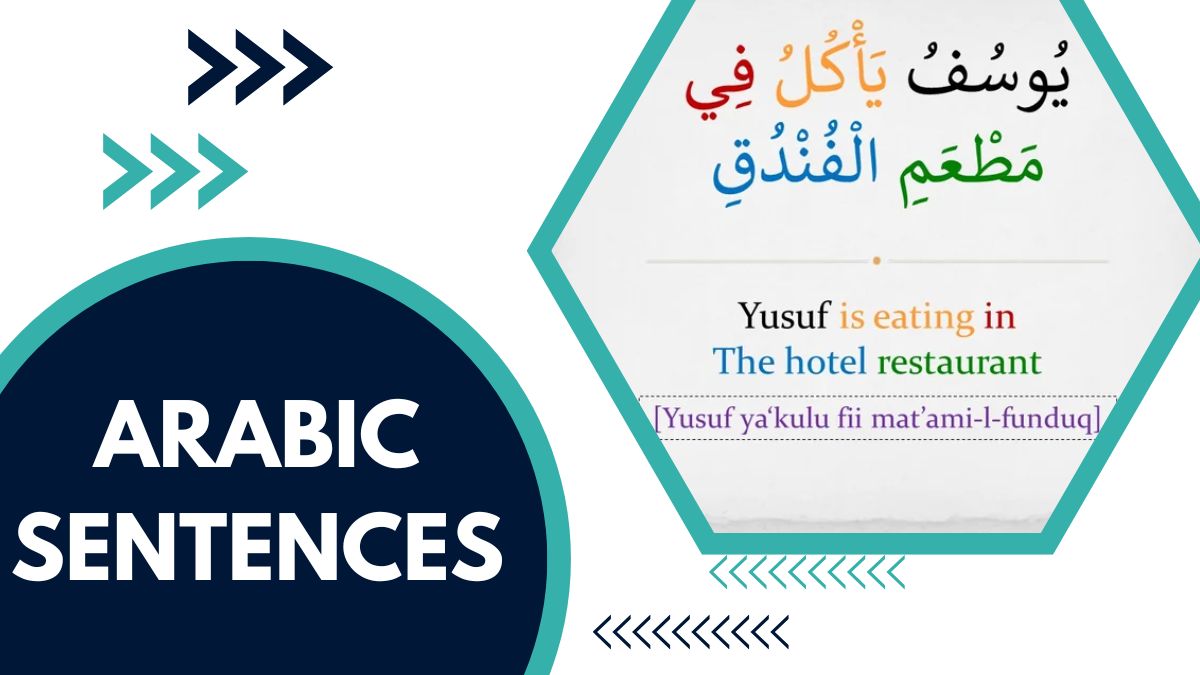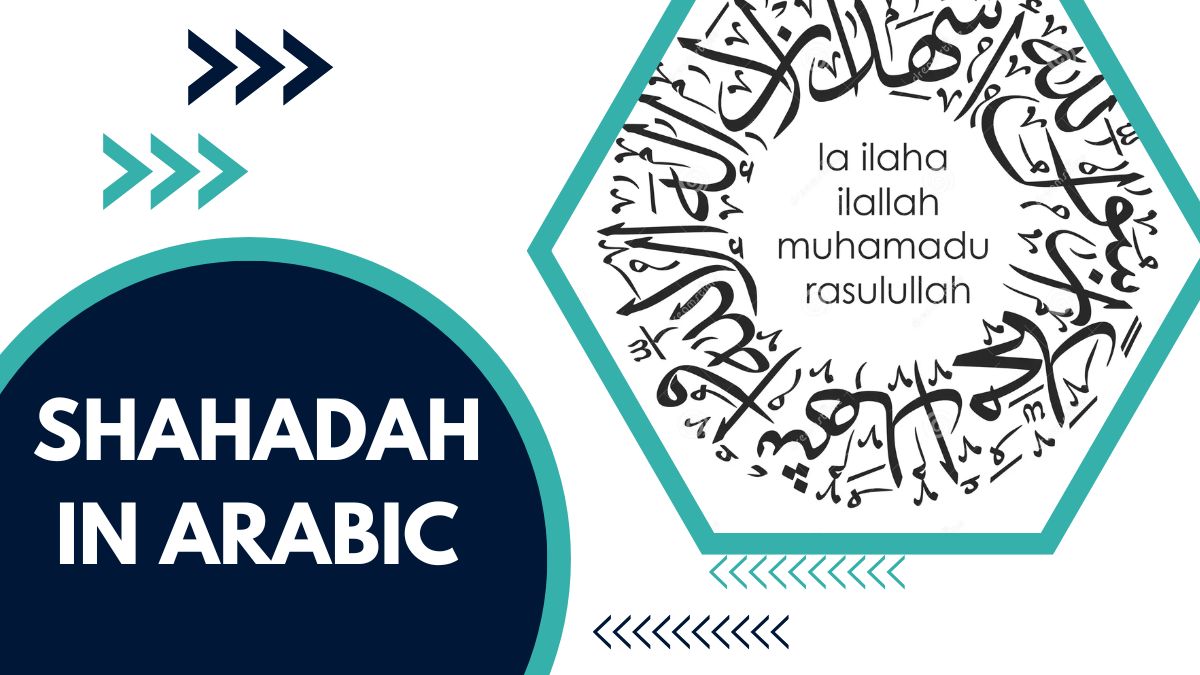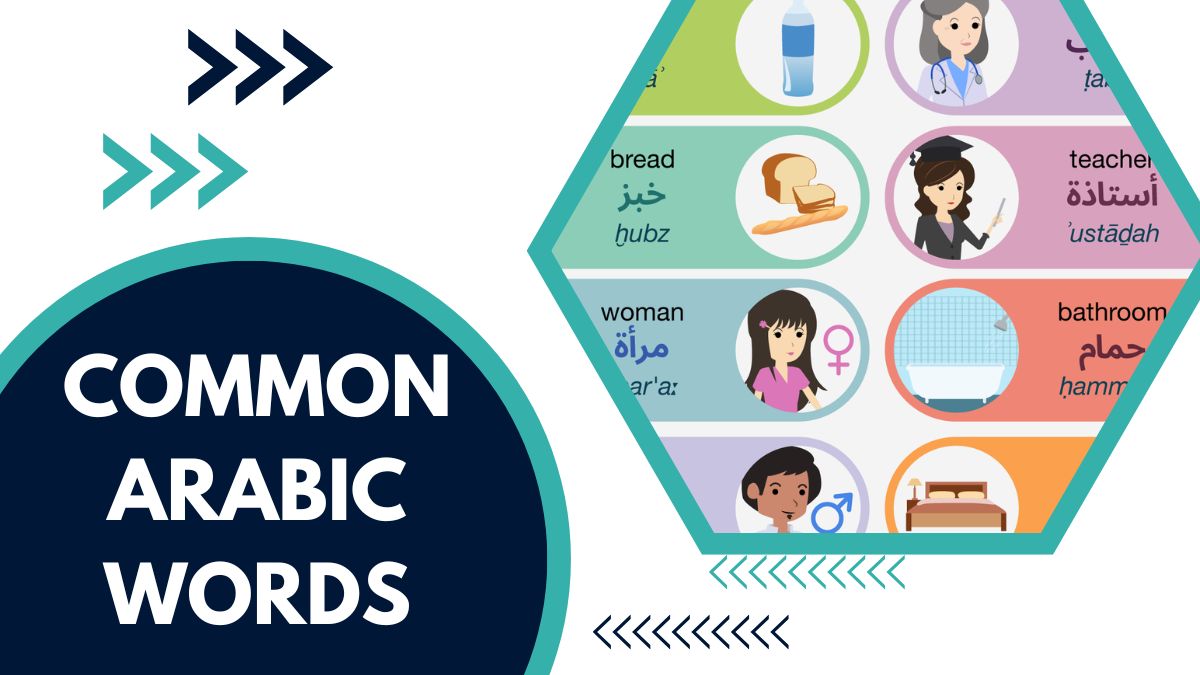
Arabic is one of the world’s most widely spoken languages, with over 400 million speakers across the Middle East, North Africa, and beyond. Whether you’re learning Arabic for travel, work, religious studies, or personal interest, building a strong foundation starts with mastering common Arabic words.
Learning frequently used vocabulary helps you communicate in everyday situations, understand conversations more easily, and improve your confidence when speaking. In this guide, you’ll discover the most common Arabic words, their meanings, pronunciations, and practical examples of how they’re used in daily life.
Table of Contents
Why Learn Common Arabic Words?
When starting any language, memorizing the most frequently used words provides the fastest path to communication. Rather than focusing on advanced grammar from the beginning, learning common Arabic vocabulary allows you to:
- Understand basic conversations.
- Introduce yourself confidently.
- Navigate Arabic-speaking countries.
- Read simple texts and signs.
- Build a foundation for more advanced learning.
Many daily interactions rely on a relatively small group of words and expressions. Once you master these essentials, you’ll notice them appearing everywhere.
Common Arabic Greetings
Greetings are among the first words every Arabic learner should know.
| Arabic (العربية) | Transliteration (النطق) | Meaning (المعنى) |
| السلام عليكم | As-salamu alaykum | Peace be upon you |
| وعليكم السلام | Wa alaykum as-salam | Peace be upon you too |
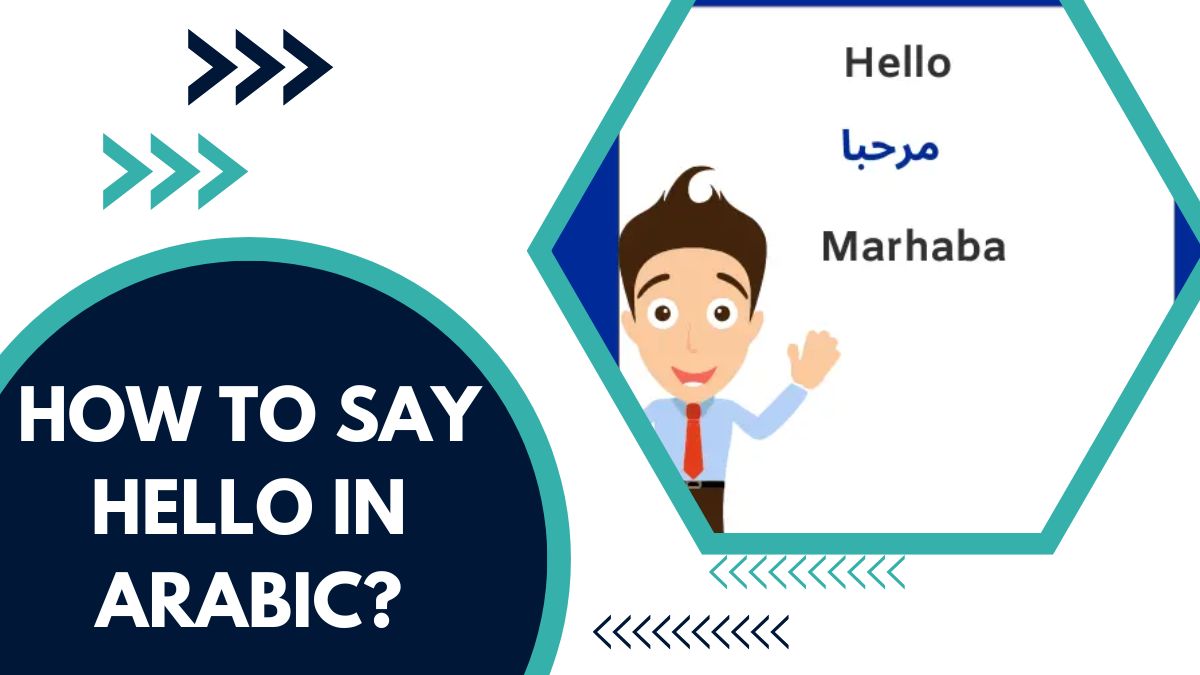
| مرحباً | Marhaban | Hello |
| أهلاً | Ahlan | Hi / Welcome |
| صباح الخير | Sabah al-khayr | Good morning |
| مساء الخير | Masa’ al-khayr | Good evening |
| تصبح على خير | Tusbih ala khayr | Good night |
| مع السلامة | Ma’a as-salama | Goodbye |
These greetings are widely used throughout the Arab world and are essential for polite communication.
Stop feeling overwhelmed by a brand new alphabet and take your very first step toward fluency by joining our structured Arabic Course For Beginners at Denk Arabisch designed to get you speaking full sentences from day one.
Common Courtesy Words
Politeness plays an important role in Arabic culture. Learning these expressions helps create positive interactions.
| Arabic (العربية) | Transliteration (النطق) | Meaning (المعنى) |
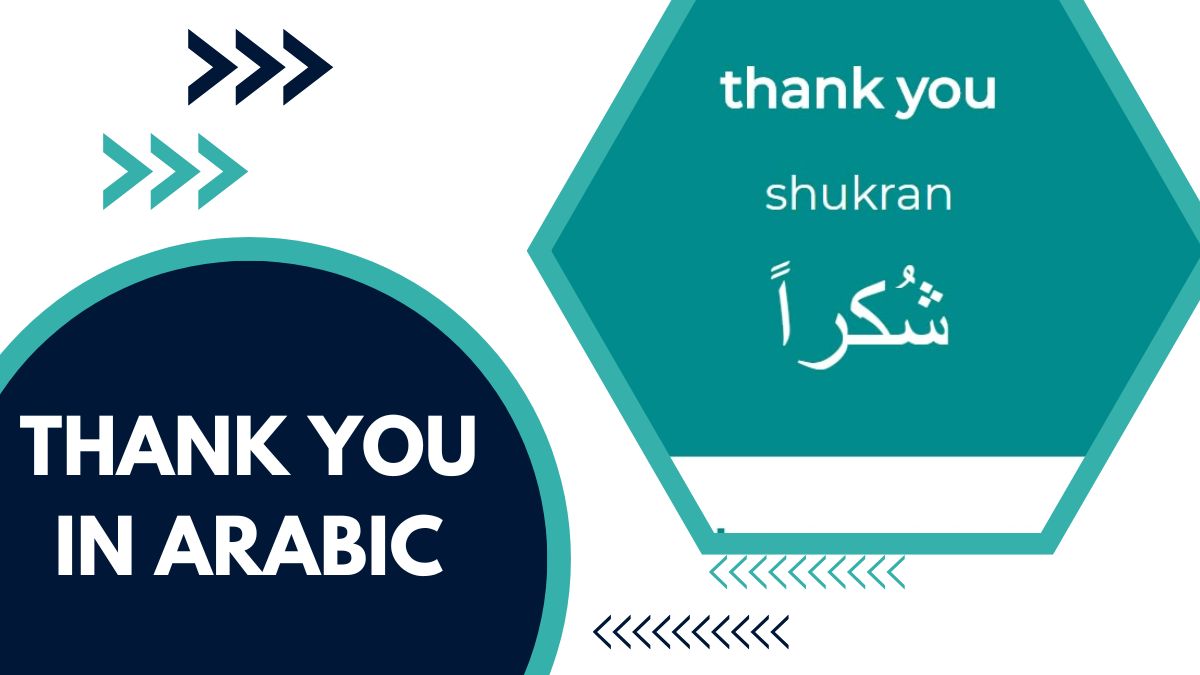
| شكراً | Shukran | Thank you |
| عفواً | Afwan | You’re welcome |
| من فضلك | Min fadlik | Please |
| نعم | Na’am | Yes |
| لا | La | No |
| آسف | Asif | Sorry |
| لا بأس | La ba’s | No problem |
| تفضل | Tafaddal | Please / Here you are |
Using these words regularly will make your speech sound more natural and respectful.
Common Arabic Words Used Every Day
The following vocabulary appears frequently in everyday conversations.
| Arabic (العربية) | Transliteration (النطق) | Meaning (المعنى) |
| أنا | Ana | I |
| أنت | Anta (m) / Anti (f) | You |
| هو | Huwa | He |
| هي | Hiya | She |
| نحن | Nahnu | We |
| هذا | Hatha | This |
| ذلك | Dhalik | That |
| هنا | Huna | Here |
| هناك | Hunak | There |
| اليوم | Al-yawm | Today |
| غداً | Ghadan | Tomorrow |
| أمس | Ams | Yesterday |
These simple words form the basis of countless sentences in Arabic.
Take your intermediate skills to an elite, advanced tier without repeating the basics when you join our interactive Arabic Courses Based On Levels at Denk Arabisch built for serious learners.
Common Arabic Question Words
Questions are essential for communication. Learning these words allows you to ask for information and understand responses.
| Arabic (العربية) | Transliteration (النطق) | Meaning (المعنى) |
| ما | Ma | What |
| من | Man | Who |
| أين | Ayna | Where |
| متى | Mata | When |
| لماذا | Limatha | Why |
| كيف | Kayfa | How |
| كم | Kam | How many / How much |
| أي | Ayy | Which |
Examples
- ما اسمك؟ (Ma ismuka?) — What is your name?
- أين تسكن؟ (Ayna taskun?) — Where do you live?
- كيف حالك؟ (Kayfa haluk?) — How are you?
Common Arabic Words About Family
Family is a central part of Arab culture, making these words especially useful.
| Arabic (العربية) | Transliteration (النطق) | Meaning (المعنى) |
| عائلة | A’ila | Family |
| أب | Ab | Father |
| أم | Umm | Mother |
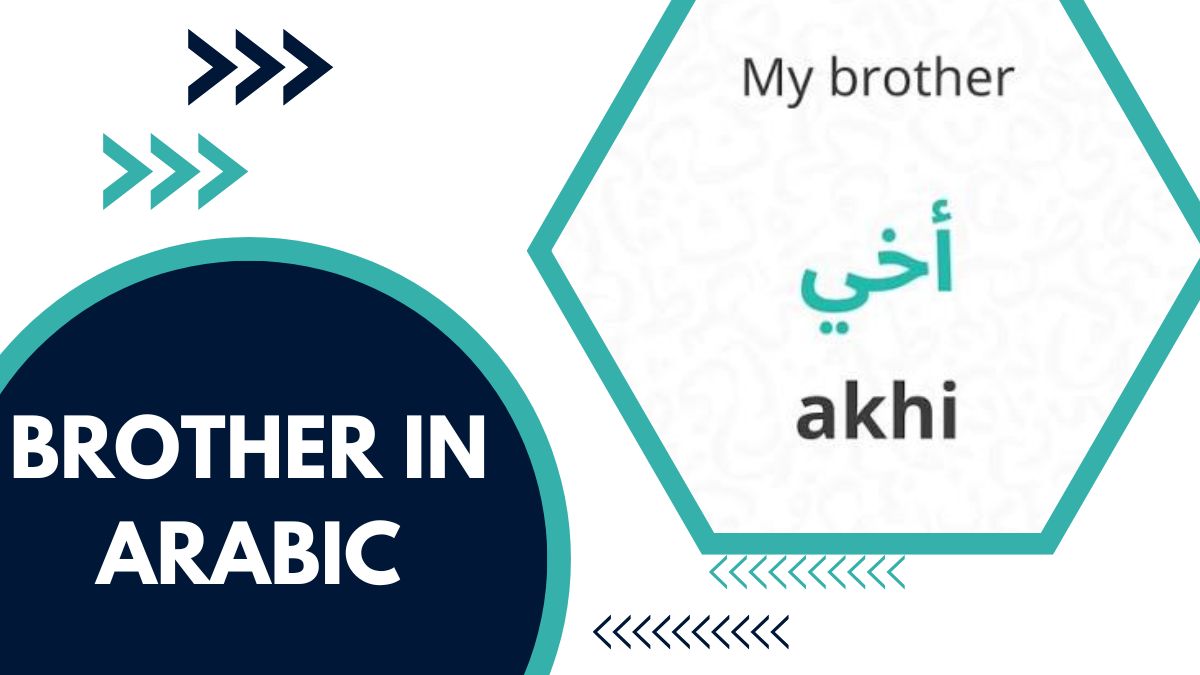
| أخ | Akh | Brother |
| أخت | Ukht | Sister |
| ابن | Ibn | Son |
| ابنة | Ibna | Daughter |
| جد | Jadd | Grandfather |
| جدة | Jadda | Grandmother |
| طفل | Tifl | Child |
These words often appear in everyday conversations and introductions.
Common Arabic Numbers
Numbers are among the most practical words to learn.
| Arabic (العربية) | Transliteration (النطق) | Meaning (المعنى) |
| واحد | Wahid | One |
| اثنان | Ithnan | Two |
| ثلاثة | Thalatha | Three |
| أربعة | Arba’a | Four |
| خمسة | Khamsa | Five |
| ستة | Sitta | Six |
| سبعة | Sab’a | Seven |
| ثمانية | Thamaniya | Eight |
| تسعة | Tis’a | Nine |
| عشرة | Ashara | Ten |
Knowing numbers helps when shopping, telling time, and discussing quantities.
Sound less like a formal broadcast and more like a true local speaker when you switch to our specialized Arabic Dialect Courses at Denk Arabisch tailored to your preferred region.
Common Arabic Words for Time
Time-related vocabulary appears frequently in daily interactions.
| Arabic (العربية) | Transliteration (النطق) | Meaning (المعنى) |
| ساعة | Sa’a | Hour |
| دقيقة | Daqiqa | Minute |
| وقت | Waqt | Time |
| صباح | Sabah | Morning |
| مساء | Masa’ | Evening |
| ليلة | Layla | Night |
| أسبوع | Usbu’ | Week |
| شهر | Shahr | Month |
| سنة | Sana | Year |
These words are useful when arranging meetings or discussing schedules.
Common Arabic Food Words
Food vocabulary becomes important when traveling or dining in Arabic-speaking countries.
| Arabic (العربية) | Transliteration (النطق) | Meaning (المعنى) |
| طعام | Ta’am | Food |
| ماء | Ma’ | Water |
| خبز | Khubz | Bread |
| أرز | Aruzz | Rice |
| لحم | Lahm | Meat |
| دجاج | Dajaj | Chicken |
| فاكهة | Fakihah | Fruit |
| خضار | Khudar | Vegetables |
| شاي | Shay | Tea |
| قهوة | Qahwa | Coffee |
Many of these words are recognized throughout the Arab world.
Learn Arabic with Denk Arabisch Academy
Speak and understand Arabic through a clear and effective learning system
Try a Free TrialCommon Arabic Travel Words
Travelers often encounter these words in airports, hotels, and public transportation.
| Arabic (العربية) | Transliteration (النطق) | Meaning (المعنى) |
| مطار | Matar | Airport |
| فندق | Funduq | Hotel |
| سيارة | Sayyara | Car |
| شارع | Shari’ | Street |
| مدينة | Madina | City |
| بلد | Balad | Country |
| محطة | Mahatta | Station |
| تذكرة | Tathkira | Ticket |
| سفر | Safar | Travel |
| طريق | Tariq | Road |
Learning these words can make travel experiences much smoother.
Accelerate your professional growth or academic mastery by enrolling in specialized Arabic Courses Based On Skills & Topics at Denk Arabsich that deliver practical results in record time.
Read also: How To Learn To Write Arabic? – Arabic Handwriting
Common Arabic Verbs
Verbs are the action words of a language. These are among the most frequently used Arabic verbs.
| Arabic (العربية) | Transliteration (النطق) | Meaning (المعنى) |
| ذهب | D’ahaba | To go |
| جاء | Ja’a | To come |
| أكل | Akala | To eat |
| شرب | Shariba | To drink |
| رأى | Ra’a | To see |
| سمع | Sami’a | To hear |
| عرف | Arafa | To know |
| أحب | Ahabba | To love |
| تكلم | Takallama | To speak |
| كتب | Kataba | To write |
Mastering these verbs helps you form useful sentences quickly.
Important Islamic Arabic Words
Many people learn Arabic to better understand Islamic texts and religious expressions.
| Arabic (العربية) | Transliteration (النطق) | Meaning (المعنى) |
| الحمد لله | Alhamdulillah | Praise be to Allah |
| إن شاء الله | Insha’Allah | If Allah wills |
| سبحان الله | SubhanAllah | Glory be to Allah |
| الله أكبر | Allahu Akbar | Allah is the Greatest |
| جزاك الله خيراً | JazakAllahu Khayran | May Allah reward you with goodness |
| آمين | Ameen | Amen |
| قرآن | Quran | Quran |
| دعاء | Du’a | Supplication |
These expressions are commonly heard in everyday speech among Muslims worldwide.
Deepen your daily prayer and spiritual connection when you join our interactive Quranic Arabic Course for German Speakers at Denk Arabisch designed for rapid vocabulary comprehension.
Common Arabic Adjectives
Adjectives help describe people, places, and things.
| Arabic (العربية) | Transliteration (النطق) | Meaning (المعنى) |
| كبير | Kabir | Big |
| صغير | Saghir | Small |
| جميل | Jamil | Beautiful |
| جديد | Jadid | New |
| قديم | Qadim | Old |
| سريع | Sari’ | Fast |
| بطيء | Bati’ | Slow |
| جيد | Jayyid | Good |
| سيئ | Sayyi’ | Bad |
| سهل | Sahl | Easy |
These words greatly expand your ability to express ideas.
Tips for Memorizing Common Arabic Words
Learning vocabulary becomes much easier when you use effective study techniques and expose yourself to the language regularly. Instead of trying to memorize hundreds of words at once, focus on building a consistent learning habit that helps you remember and use new vocabulary naturally.
1. Learn Words in Context
Rather than memorizing isolated words from a list, learn them within complete sentences. Seeing how a word is used in context helps you understand its meaning, grammar, and natural usage.
For example:
- شكراً جزيلاً (Shukran jazilan) — Thank you very much.
- أنا طالب (Ana talib) — I am a student.
- أريد كوباً من الماء (Ureedu kuban min al-ma’) — I would like a cup of water.
When you learn words in sentences, you’re also practicing sentence structure and common expressions at the same time.
2. Practice Daily
Consistency is more important than long study sessions. Spending just 10–15 minutes every day reviewing vocabulary can produce better results than studying for several hours once a week.
Create a daily routine by:
- Learning 5–10 new words each day.
- Reviewing previously learned vocabulary.
- Writing simple sentences using new words.
- Testing yourself regularly.
Small daily efforts add up quickly and help prevent forgetting.
3. Use Flashcards
Flashcards are one of the most effective tools for vocabulary retention. You can use physical cards or digital apps that employ spaced repetition systems (SRS).
A good flashcard should include:
- The Arabic word.
- Transliteration.
- English translation.
- An example sentence.
Reviewing flashcards regularly strengthens memory and helps move vocabulary into long-term recall.
4. Listen to Native Speakers
Listening is essential for understanding pronunciation and developing familiarity with commonly used words. The more you hear Arabic, the easier it becomes to recognize vocabulary in real conversations.
You can listen to:
- Arabic podcasts.
- YouTube lessons.
- News broadcasts.
- Quran recitations.
- Arabic TV shows and movies.
Try to identify words you already know and pay attention to how native speakers pronounce them.
5. Speak Whenever Possible
Using new vocabulary actively is one of the fastest ways to remember it. Speaking forces your brain to retrieve words from memory, which strengthens retention.
You can practice by:
- Speaking with language partners.
- Repeating phrases aloud.
- Reading Arabic texts out loud.
- Describing your daily activities in Arabic.
Don’t worry about making mistakes—regular speaking practice is a crucial part of the learning process.
Here is a third high-converting version of the Hard Selling copy. This variation approaches the audience using the “Identity and Self-Investment” angle—challenging them to match their actions with their true values, and emphasizing that true mastery requires a real commitment.
Read also: How To Speak Arabic? – A Complete Beginner’s Guide
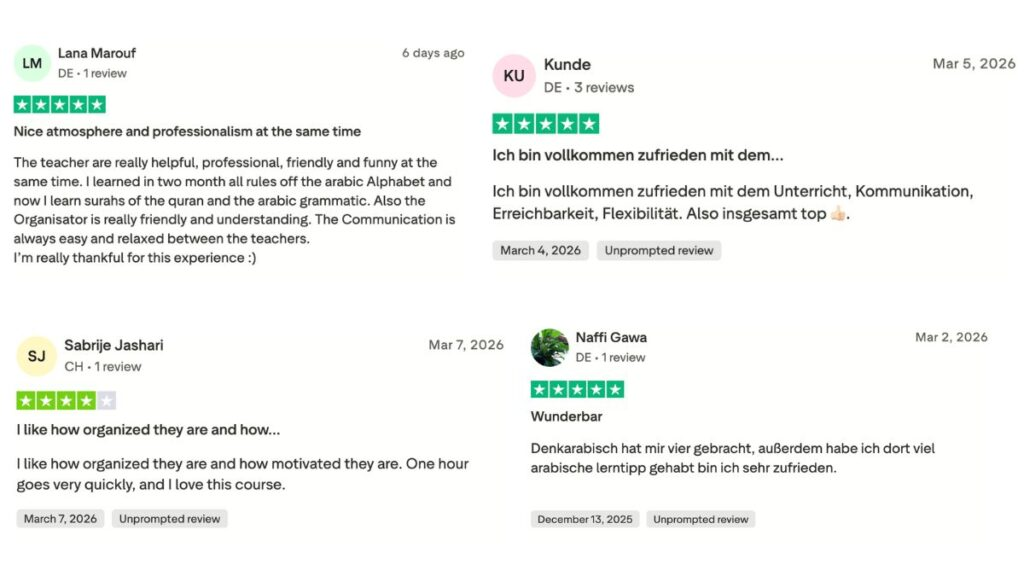
What Our Students Say About Denk Arabisch Academy
See what our students say about learning at Denk Arabisch Academy on Trustpilot. Read their experiences and check out more reviews to discover how our courses help improve Arabic.
Complete Arabic Mastery with Denk Arabisch!
Be completely honest with yourself: how long have you been telling people you are “trying to learn Arabic”? Consuming endless free content and scrolling through language apps feels like productivity, but it’s actually keeping you stuck in the exact same place. If you are serious about speaking fluently, unlocking the original text of the Quran, or commanding regional dialects, it’s time to ditch the amateur habits and invest in a professional framework.
Our premium, live interactive tracks are officially enrolling for the upcoming term. To guarantee that every student receives elite, personalized coaching and real-time correction, cohort sizes are strictly locked. Once these small groups fill up, registration will close instantly for the entire semester.
The Courses:
- Arabic Course For Beginners: Stop treating the Arabic script like an impossible barrier. Our high-velocity conversational framework bypasses dry, tedious memorization to get you forming and speaking your own complex sentences from your very first live session.
- Quranic Arabic Course for German Speakers: Break free from the limitations of translated texts. This highly specialized curriculum is precision-engineered to eliminate the structural friction between German and Classical Arabic grammar, giving you a direct, authentic connection to the Divine words.
- Arabic Courses Based On Skills & Topics: Zero wasted energy. Built exclusively for goal-oriented adults who need to master highly specific nodes—such as advanced business communication, complex media reading, or foundational grammar mechanics—without any redundant filler.
- Arabic Dialect Courses: Leave the formal, stiff textbook vocabulary behind. Master the actual living, breathing language used on the streets right now so you can joke, negotiate, and build deep, natural bonds with native speakers effortlessly.
- Arabic Courses Based On Levels: No more repetitive overviews or moving too slow. We audit your exact current linguistic threshold and place you directly into the perfect tier to ensure your progress keeps accelerating without a single pause.
Why keep guessing your way through a beautiful but complex language when you can learn live from handpicked, world-class native scholars? Denk Arabisch eliminates all the frustration, shortcuts your learning curve by years, and delivers a premium online experience that integrates flawlessly into your demanding work or university schedule.
Continuing to delay is simply choosing to stay right where you are. Break the cycle and lock in your future fluency before our spots disappear completely!
Learn Arabic with Denk Arabisch Academy
Speak and understand Arabic through a clear and effective learning system
Try a Free TrialConclusion
Learning common Arabic words is one of the most effective ways to begin your Arabic language journey. By focusing on frequently used greetings, question words, family vocabulary, numbers, verbs, and everyday expressions, you’ll quickly develop the ability to understand and participate in basic conversations.
Remember that language learning is a gradual process. Start with a few words each day, review them regularly, and practice using them in real-life situations. Over time, these common Arabic words will become second nature, providing a strong foundation for reading, speaking, listening, and writing Arabic with confidence.
FAQs
1. What are the most common Arabic words for beginners?
Some of the most common Arabic words for beginners include:
مرحباً (Marhaban) — Hello
شكراً (Shukran) — Thank you
نعم (Na’am) — Yes
لا (La) — No
من فضلك (Min fadlik) — Please
مع السلامة (Ma’a as-salama) — Goodbye
These words are used frequently in everyday conversations and are a great starting point for learning Arabic.
2. How many Arabic words should I learn each day?
For most learners, studying 5–10 new words per day is a manageable goal. Consistent daily practice is more effective than trying to memorize a large number of words at once.
3. What is the fastest way to memorize Arabic vocabulary?
The fastest way to memorize Arabic words is to learn them in context, use flashcards, practice speaking regularly, and review vocabulary using spaced repetition. Combining listening, reading, writing, and speaking also improves retention.
4. Are Arabic words difficult to learn?
Arabic vocabulary may seem challenging at first because of the script and pronunciation, but many learners find that regular practice and repetition make the language much easier over time. Starting with common words and phrases helps build confidence quickly.
5. Should I learn Modern Standard Arabic or a dialect first?
Modern Standard Arabic (MSA) is often recommended for beginners because it is understood throughout the Arabic-speaking world and is used in books, news, and formal communication. However, learning a local dialect can be beneficial if your goal is everyday conversation in a specific country.