Learning Arabic can seem challenging at first, but one of the easiest ways to begin speaking confidently is by mastering common daily Arabic phrases. Whether you’re traveling to an Arabic-speaking country, communicating with Arabic-speaking friends, studying the Quran, or simply exploring a new language, learning practical phrases helps you build real communication skills from day one.
Arabic is spoken by more than 400 million people worldwide and is the official language of over 20 countries. By learning everyday Arabic expressions, you’ll be able to greet people, ask questions, express gratitude, and navigate daily situations with confidence.
In this guide, you’ll discover the most useful daily Arabic phrases, their meanings, pronunciation, and examples of how to use them in real-life conversations.
Table of Contents
Why Learn Daily Arabic Phrases?
Many beginners focus heavily on grammar and vocabulary lists. While these are important, learning complete phrases offers several advantages:
- Helps you communicate immediately
- Improves pronunciation naturally
- Builds confidence in speaking
- Makes conversations easier
- Allows you to understand native speakers more quickly
Instead of memorizing isolated words, learning phrases teaches you how Arabic is actually spoken in everyday life.
Basic Arabic Greetings
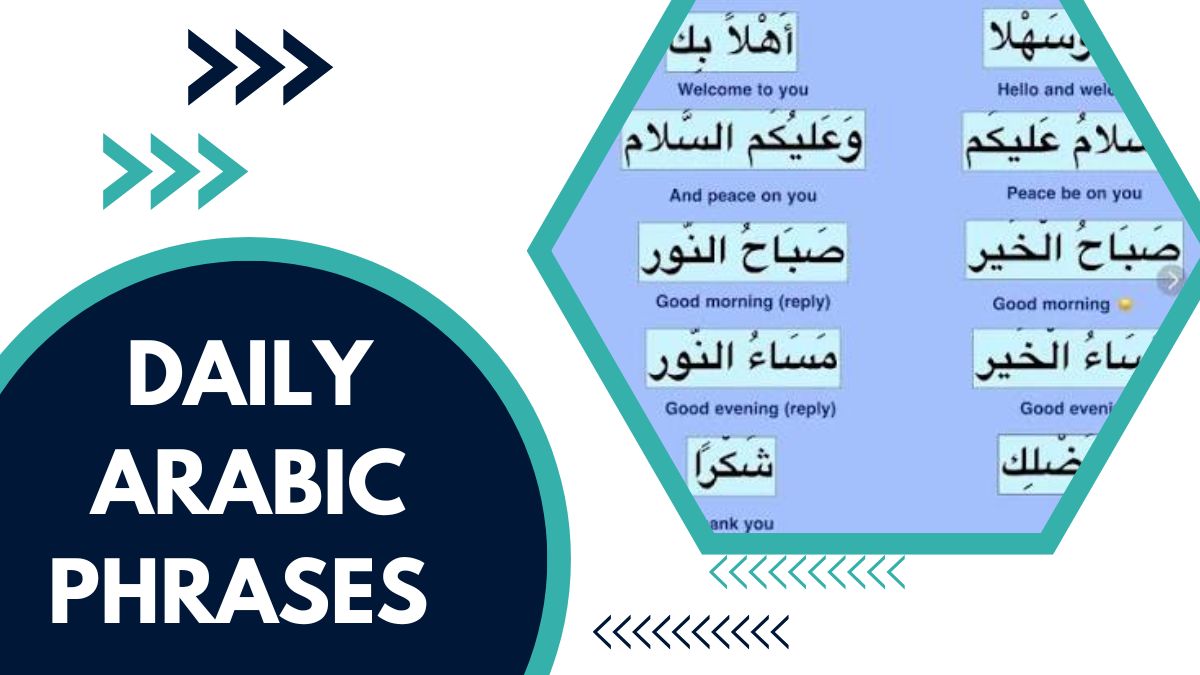
Greetings are the foundation of everyday communication in Arabic. Learning these common expressions will help you start conversations confidently.
| Arabic Phrase | Transliteration | Meaning |
| السلام عليكم | As-salamu Alaikum | Peace be upon you |
| وعليكم السلام | Wa Alaikum As-salam | And peace be upon you |
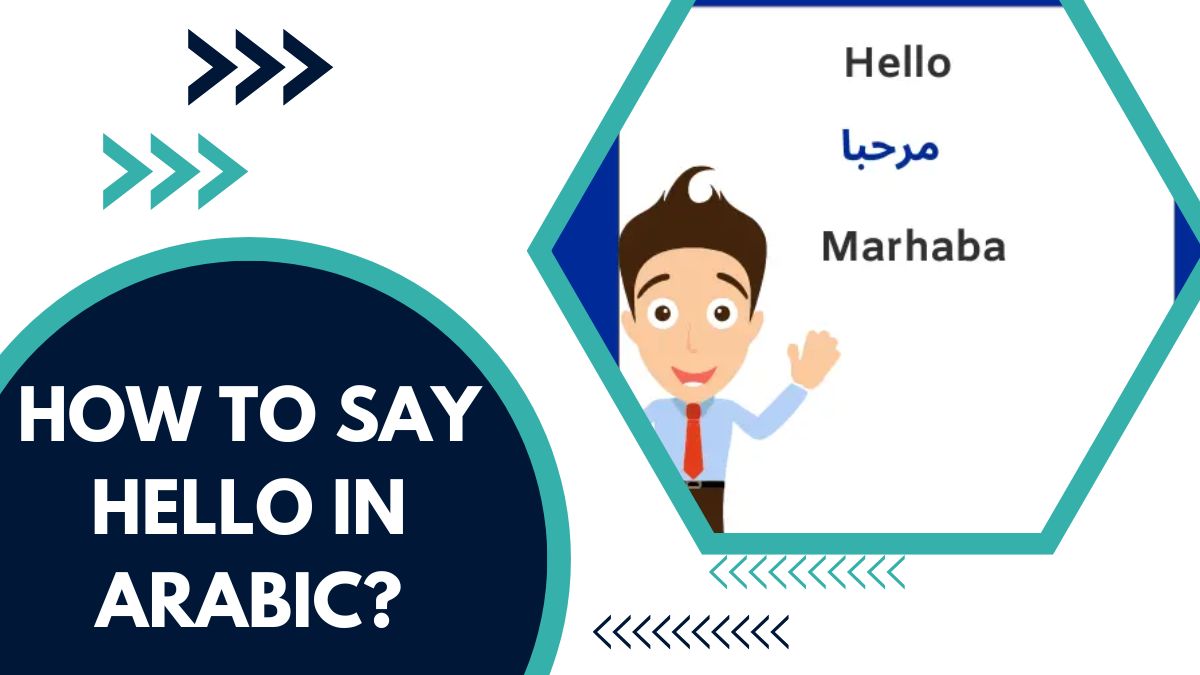
| مرحباً | Marhaban | Hello |
| أهلاً وسهلاً | Ahlan wa Sahlan | Welcome |
| صباح الخير | Sabah Al-Khair | Good morning |
| مساء الخير | Masa’ Al-Khair | Good evening |
Stop pushing your personal development goals into next year; reserve your virtual seat in our high-demand Arabic Course For Beginners at Denk Arabisch before enrollment closes tight for the semester!
Example Conversation
| Person A | Person B |
| السلام عليكم | وعليكم السلام |
| صباح الخير | صباح النور |
| مساء الخير | مساء النور |
Daily Courtesy Phrases
| Arabic Phrase | Transliteration | Meaning |
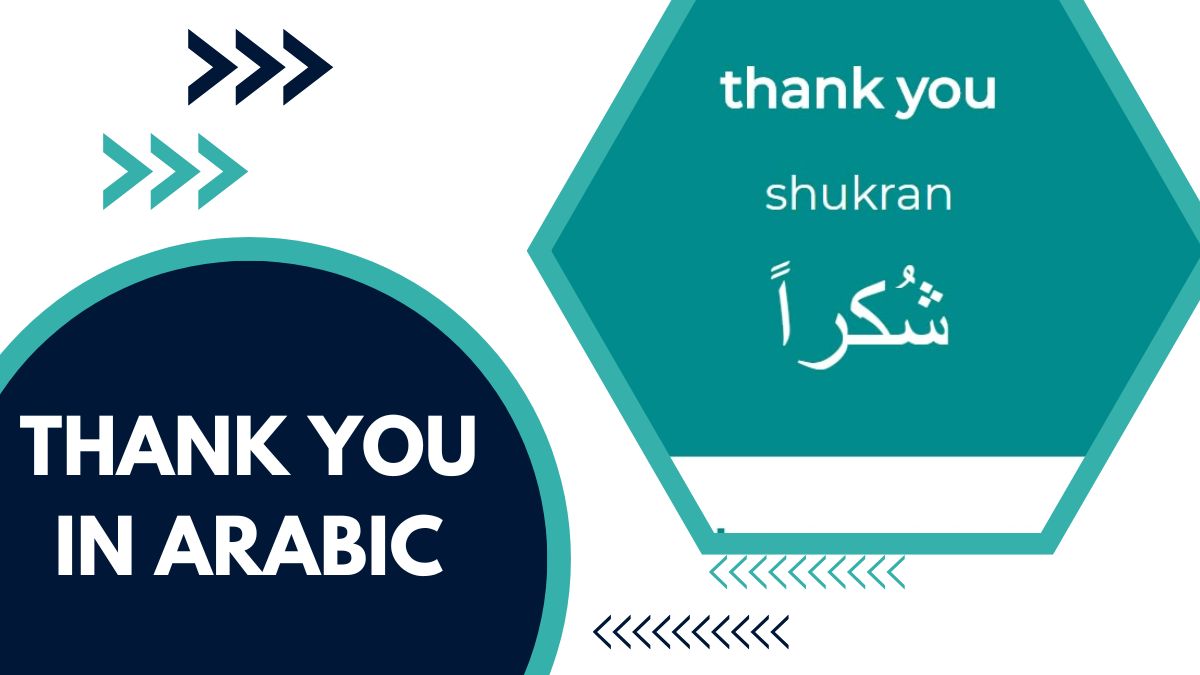
| شكراً | Shukran | Thank you |
| شكراً جزيلاً | Shukran Jazeelan | Thank you very much |
| عفواً | Afwan | You’re welcome / Excuse me |
| من فضلك | Min Fadlik / Min Fadlika | Please |
| آسف | Asif | Sorry |
| آسفة | Asifah | Sorry (female speaker) |
Common Questions in Arabic
| Arabic Phrase | Transliteration | Meaning |
| كيف حالك؟ | Kayfa Haluk? | How are you? |
| ما اسمك؟ | Ma Ismuka? | What is your name? |
| من أين أنت؟ | Min Ayna Anta? | Where are you from? |
| كم عمرك؟ | Kam Umruk? | How old are you? |
| ماذا؟ | Madha? | What? |
Maximize every single minute of your study time and secure your position in our upcoming Arabic Courses Based On Skills & Topics at Denk Arabisch to fast-track your path to fluency!
Sample ِArabic Responses
| Arabic Phrase | Transliteration | Meaning |
| بخير، الحمد لله | Bikhair, Alhamdulillah | Fine, praise be to Allah |
| جيد | Jayyid | Good |
| ممتاز | Mumtaz | Excellent |
Useful Everyday Responses
| Arabic Phrase | Transliteration | Meaning |
| نعم | Na’am | Yes |
| لا | La | No |
| ربما | Rubbama | Maybe |
| بالطبع | Bit-Tab’ | Of course |
| لا أعرف | La A’rif | I don’t know |
Arabic Phrases for Shopping
| Arabic Phrase | Transliteration | Meaning |
| بكم هذا؟ | Bikam Hatha? | How much is this? |
| أريد هذا | Ureed Hatha | I want this |
| هل لديك…؟ | Hal Ladayka…? | Do you have…? |
| غالي جداً | Ghali Jiddan | Very expensive |
| رخيص | Rakhees | Cheap |
Claim your absolute mastery over genuine conversational speech right now; secure your spot in our popular Arabic Dialect Courses at Denk Arabisch before registration windows close for the season!
Shopping Dialogue Example
| Customer (الزبون) | Shopkeeper (البائع) |
| بكم هذا؟ | بخمسين جنيهاً |
| غالي جداً | سأعطيك خصماً |
| أريد هذا | تفضل |
Arabic Phrases for Restaurants
| Arabic Phrase | Transliteration | Meaning |
| أنا جائع | Ana Jae’ | I am hungry |
| أنا عطشان | Ana Atshan | I am thirsty |
| أريد ماء | Ureed Ma’ | I want water |
| الطعام لذيذ | At-Ta’am Latheeth | The food is delicious |
| الحساب من فضلك | Al-Hisab Min Fadlik | The bill, please |
Push past intermediate plateaus and transition directly into sophisticated, advanced communication when you join our interactive Arabic Courses Based On Levels at Denk Arabisch built for ambitious learners.
Travel and Transportation Phrases
| Arabic Phrase | Transliteration | Meaning |
| أين…؟ | Ayna…? | Where is…? |
| أحتاج مساعدة | Ahtaj Musa’adah | I need help |
| كم يبعد؟ | Kam Yab’ud? | How far is it? |
| هل تتحدث الإنجليزية؟ | Hal Tatakallam Al-Injiliziyyah? | Do you speak English? |
Common Islamic Arabic Phrases
| Arabic Phrase | Transliteration | Meaning |
| الحمد لله | Alhamdulillah | Praise be to Allah |
| إن شاء الله | Insha’Allah | If Allah wills |
| ما شاء الله | Masha’Allah | What Allah has willed |
| سبحان الله | SubhanAllah | Glory be to Allah |
| جزاك الله خيراً | Jazak Allahu Khairan | May Allah reward you with goodness |
Look past basic interpretations and discover the true depth of classical grammar nodes through a dedicated Quranic Arabic Course for German Speakers at Denk Arabisch led by handpicked academic scholars.
Learn Arabic with Denk Arabisch Academy
Speak and understand Arabic through a clear and effective learning system
Try a Free TrialArabic Phrases for Saying Goodbye
| Arabic Phrase | Transliteration | Meaning |
| مع السلامة | Ma’a As-Salamah | Goodbye |
| إلى اللقاء | Ila Al-Liqa’ | See you later |
| تصبح على خير | Tusbih Ala Khair | Good night |
| وأنت من أهله | Wa Anta Min Ahlih | And may you also wake to goodness |
Read also: Arabic Greetings – The Ultimate Guide For Muslims
Tips for Memorizing Daily Arabic Phrases
Learning daily Arabic phrases becomes much easier when you use effective study techniques. Instead of trying to memorize dozens of expressions at once, focus on building a consistent learning habit and using the phrases in real-life situations whenever possible.
Practice Every Day
Consistency is one of the most important factors in language learning. Spending just 10–15 minutes each day reviewing Arabic phrases is far more effective than studying for several hours once a week. Daily exposure helps move new vocabulary and expressions from short-term memory into long-term memory.
Try setting aside a specific time each day for practice, such as during your morning routine, lunch break, or before bed. Even a few minutes of review can make a significant difference over time.
Use Flashcards
Flashcards are one of the most effective tools for memorizing Arabic phrases. You can write the Arabic phrase on one side and the English meaning on the other. Digital flashcard apps can also help by using spaced repetition, a learning technique that shows you phrases just before you’re likely to forget them.
Reviewing flashcards regularly improves recall speed and helps you recognize common expressions more naturally during conversations.
Listen to Native Speakers
Listening is an essential part of language acquisition. Watching Arabic videos, listening to podcasts, following Arabic YouTube channels, or hearing native speakers in everyday conversations helps you become familiar with pronunciation, rhythm, and natural sentence patterns.
Pay attention to how frequently used phrases are pronounced and repeated. Try to imitate native speakers as closely as possible to improve your accent and listening comprehension.
Speak Out Loud
Many learners spend too much time reading and not enough time speaking. While reading is useful, speaking aloud helps train your mouth and tongue to produce Arabic sounds correctly. It also improves confidence and fluency.
Practice saying new phrases several times after learning them. You can repeat after audio recordings, read dialogues aloud, or even practice short conversations with yourself.
Learn Phrases in Context
Memorizing isolated words can be difficult because they lack meaningful connections. Learning complete phrases and sentences helps you understand how words are naturally used together.
For example, instead of memorizing the word “شكراً” (thank you) by itself, learn the full expression “شكراً جزيلاً” (thank you very much). Context makes phrases easier to remember and prepares you for real-life conversations.
Create Your Own Example Sentences
One of the fastest ways to remember a new phrase is to use it in a sentence related to your own life. Personal connections make information more memorable and meaningful.
For example, if you learn “أنا من…” (I am from…), practice saying:
- أنا من مصر (I am from Egypt)
- أنا من القاهرة (I am from Cairo)
Creating personalized examples strengthens memory and encourages active language use.
Label Everyday Objects
A practical technique is to place Arabic labels on common household items such as doors, tables, books, mirrors, and phones. Seeing Arabic words and phrases throughout the day creates repeated exposure and reinforces learning without requiring extra study time.
Review Previously Learned Phrases
Many learners focus only on new material and forget to review older phrases. Regular revision is essential for long-term retention. Spend part of each study session reviewing expressions you learned in previous days or weeks.
A good rule is to review old phrases before learning new ones. This helps strengthen your foundation and prevents forgetting.
Practice with Language Partners
Speaking with native Arabic speakers or fellow learners provides valuable real-world practice. Even short conversations can help reinforce common phrases and improve confidence.
Language exchange apps, online communities, and Arabic study groups are excellent places to find conversation partners and practice everyday expressions.
Be Patient and Consistent
Learning Arabic is a gradual process, and fluency does not happen overnight. Focus on steady improvement rather than perfection. Every phrase you learn brings you one step closer to communicating confidently in Arabic.
Remember that making mistakes is a natural part of language learning. Stay consistent, practice regularly, and celebrate small achievements along the way.
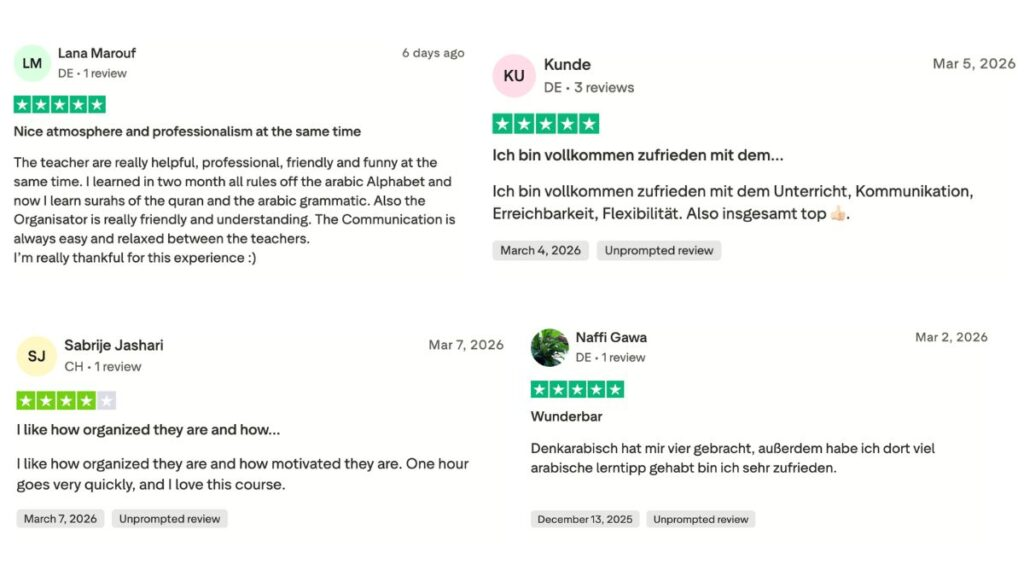
What Our Students Say About Denk Arabisch Academy
See what our students say about learning at Denk Arabisch Academy on Trustpilot. Read their experiences and check out more reviews to discover how our courses help improve Arabic.
Read also: Numbers In Arabic 1–100 – A Complete Guide For Beginners
Step Up to Premium Arabic Mastery with Denk Arabisch!
Let’s be honest: your time is worth too much to spend it on endless cycles of trial-and-error. Collecting free learning materials and trying to puzzle together grammar rules on your own isn’t just slow—it’s frustrating. It leaves you hesitant when you want to speak and completely disconnected when you want to read. True fluency doesn’t come from accumulating more files; it comes from live accountability, immediate expert correction, and a bulletproof structure.
The launch sequence for our premium, live cohorts is officially live. To preserve our uncompromised standard of small-group interaction and direct mentor access, classroom capacities are heavily restricted. Once these live groups hit their limit, enrollment locks immediately for the entire semester.
The Courses at Denk Arabisch:
- Arabic Course For Beginners: Don’t let the barrier of a new alphabet hold you back for another year. Our conversational blueprint skips the tedious, mechanical lecturing to get you actively constructing, thinking, and speaking complete sentences from your very first live hour.
- Quranic Arabic Course for German Speakers: Connect intimately with the untranslated, breathtaking eloquence of the classical text. This specialized track completely bridges the unique structural gaps between German and Arabic grammar nodes so you can understand the divine language with ease.
- Arabic Courses Based On Skills & Topics: High-impact learning for results-driven adults. Stop sitting through modules you don’t need; isolate and dominate your precise goals—whether that means mastering corporate dialogue, complex reading mechanics, or deep grammar logic.
- Arabic Dialect Courses: Leave the formal, textbook broadcast phrasing behind. Master the living, authentic idioms and natural speech patterns used across active regions right now so you can fluidly talk, joke, and build genuine rapport with native speakers.
- Arabic Courses Based On Levels: Never sit through a single minute of redundant introduction. We accurately evaluate your current linguistic baseline and drop you exactly into the ideal tier to make sure your progress keeps surging forward without interruption.
Why continue struggling through a complex language alone when you can train live with handpicked, world-class native educators? Denk Arabisch strips away the confusion and shortens your learning curve by years, all while offering a sleek online format built to integrate flawlessly with your busy career, business, or university calendar.
The longer you stay on the fence, the further your goals drift away. Act decisively and secure your premium live spot before registration closes down tight!
Learn Arabic with Denk Arabisch Academy
Speak and understand Arabic through a clear and effective learning system
Try a Free TrialConclusion
Learning daily Arabic phrases is one of the fastest and most effective ways to begin communicating in Arabic. By mastering greetings, common questions, polite expressions, travel vocabulary, and everyday responses, you’ll develop the practical language skills needed for real-life conversations and build a strong foundation for further Arabic study.
The key to success is consistency. Rather than trying to learn hundreds of words at once, focus on a few useful phrases each day and make an effort to use them regularly. Over time, these expressions will become second nature, allowing you to speak more confidently and understand native speakers more easily.
Remember that language learning is a journey, and progress comes through regular practice. Don’t be afraid to make mistakes—they are a natural and important part of the learning process. Every conversation, pronunciation attempt, and new phrase learned brings you one step closer to fluency.
Whether your goal is to travel, connect with Arabic-speaking friends, understand Islamic texts, advance your career, or simply explore a new culture, learning everyday Arabic phrases is an excellent place to start. With patience, dedication, and daily practice, you’ll steadily improve your communication skills and gain the confidence to interact naturally with Arabic speakers around the world.
FAQs
1. What are the most common daily Arabic phrases?
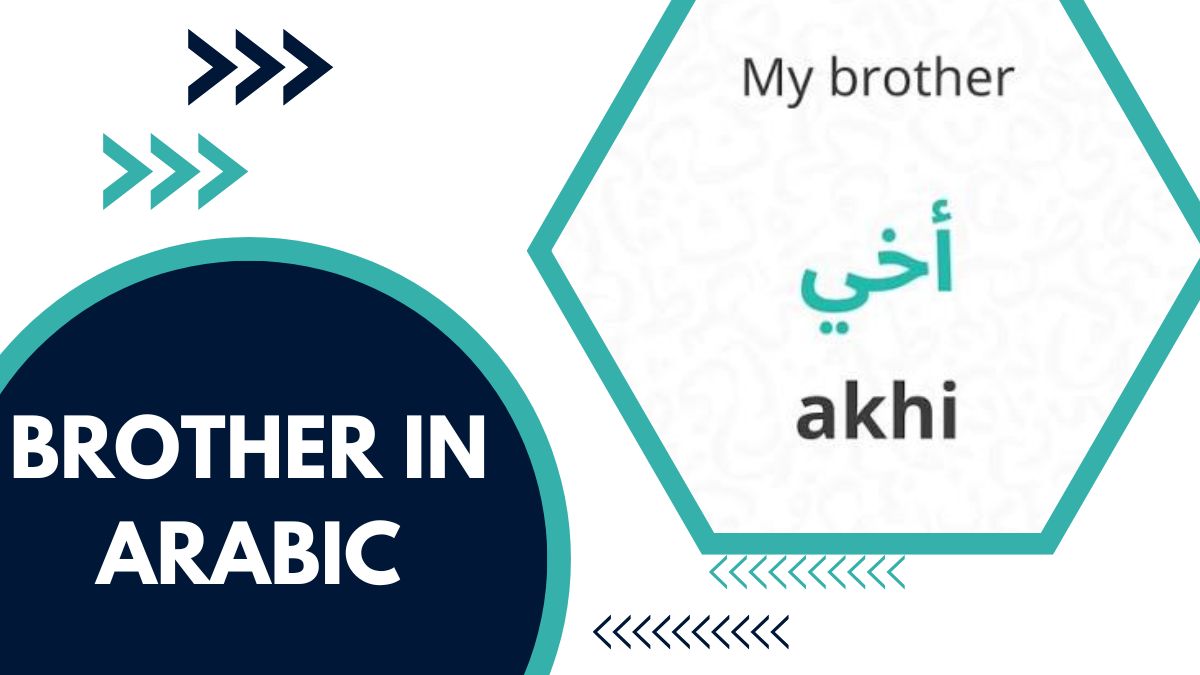
Some of the most common phrases include As-salamu Alaikum (Peace be upon you), Shukran (Thank you), Marhaban (Hello), Kayfa Haluk? (How are you?), and Ma’a As-Salamah (Goodbye).
2. How many Arabic phrases should beginners learn first?
Beginners can start with 20–30 essential phrases covering greetings, introductions, courtesy expressions, and basic questions.
3. Is Arabic difficult to learn for English speakers?
Arabic has a different writing system and grammar structure, but learning practical phrases first makes the process much easier and more enjoyable.
4. Which Arabic dialect should I learn?
Modern Standard Arabic (MSA) is understood throughout the Arab world. For everyday conversations, many learners also study regional dialects such as Egyptian, Levantine, or Gulf Arabic.
5. How can I memorize Arabic phrases faster?
Practice daily, use flashcards, repeat phrases aloud, listen to native speakers, and use new expressions in real conversations whenever possible.
6. Are Islamic phrases commonly used in daily Arabic?
Yes. Expressions such as Alhamdulillah, Insha’Allah, Masha’Allah, and SubhanAllah are frequently used in everyday speech across many Arabic-speaking communities.