Takeaway:
- Quranic stories build a strong foundation of faith by introducing children to Allah’s power, mercy, and wisdom through relatable narratives.
- Each story carries clear moral lessons such as honesty, patience, forgiveness, gratitude, and trust in Allah, shaping a child’s character naturally.
- Listening to the emotional journeys of the prophets helps children develop emotional intelligence, resilience, and healthy ways to handle hardship.
- Regular storytelling fosters a deep, affectionate bond with the Quran, turning it from a distant text into a source of inspiring, meaningful guidance.
- Key stories like those of Prophet Yusuf (forgiveness), Prophet Nuh (perseverance), Prophet Ibrahim (trust), and Prophet Yunus (sincere repentance) teach children how to face real-life challenges with faith.
- Teaching Quranic stories effectively means using simple language, interactive questions, visual aids, and linking events to a child’s daily experiences.
- Bedtime storytelling creates a calm, bonding routine that helps children internalize Islamic values and reflect on their day through a spiritual lens.
- Making stories fun through acting, drawing, games, and audio resources turns faith-based learning into an engaging, eagerly anticipated experience.
- Repeated exposure and encouraging children to retell the stories solidifies understanding and builds confidence in their Islamic identity.
Teaching children about Islam in a way that is both engaging and meaningful can sometimes feel challenging. One of the most effective and timeless methods is through Quranic stories for kids. These stories are not only rich in moral lessons but also captivate young minds with powerful narratives, relatable characters, and inspiring messages.
In this comprehensive guide, we will explore the importance of Quranic storytelling, highlight key stories children can learn from, and provide practical tips for parents and educators to make these stories come alive.

Table of Contents
Why Quranic Stories Are Important for Kids
Children naturally love stories. From fairy tales to bedtime adventures, storytelling plays a vital role in their emotional and intellectual development. Quranic stories offer something even more valuable—they combine imagination with spiritual guidance and moral clarity.
1. Builds Strong Faith Foundations
Quranic stories introduce children to core Islamic beliefs in a simple and engaging way. Through the lives of prophets and righteous people, children begin to understand who Allah is — His power, mercy, and wisdom. These stories make abstract concepts more real and relatable, helping children form a deep and sincere connection with their faith from an early age.
2. Teaches Moral Values
Each Quranic story carries timeless lessons such as honesty, patience, gratitude, courage, and trust in Allah. When children repeatedly hear these values in meaningful contexts, they begin to internalize them naturally. This helps shape their behavior and decision-making in everyday life, building a strong moral compass that stays with them as they grow.
3. Encourages Emotional Intelligence
Quranic stories are rich with human experiences — fear, hope, sadness, relief, and perseverance. By listening to these stories, children learn how to understand and manage their emotions. They see how prophets remained patient during hardship and grateful during ease, which teaches them healthy emotional responses and resilience.
4. Strengthens Connection to the Quran
Regular exposure to Quranic stories builds familiarity and love for the Quran. Instead of seeing it as something distant or difficult, children begin to associate it with meaningful, inspiring stories. This emotional connection makes them more eager to read, listen to, and understand the Quran as they grow older.
5. Builds Identity and Confidence
Learning about the prophets and Islamic history helps children feel proud of their religion and identity. It gives them role models to look up to and strengthens their confidence in who they are as Muslims, especially in diverse environments.
6. Encourages Curiosity and Love for Learning
Stories naturally spark curiosity. Children start asking questions, wanting to know more about Islam, Arabic، and the meanings behind the Quran. This curiosity becomes the foundation for lifelong learning.
Prophet Adam (عليه السلام): The First Man
Before there were cities, cars, or even people, Allah decided to create a special being to live on Earth.
The Creation: Allah created Adam from clay and breathed life into him. He taught Adam the names of everything—the mountains, the stars, the trees, and the animals. This teaches kids that knowledge is a gift from Allah.
The Command: Allah told the Angels and Iblis (Satan) to bow down to Adam out of respect. The Angels obeyed, but Iblis refused because he was arrogant. He thought he was better than Adam.
The Garden: Adam and his wife, Hawa (Eve), lived in a beautiful Paradise. They could eat anything they wanted, except for the fruit of one specific tree.
The Mistake: Iblis whispered to them and tricked them into eating from the forbidden tree. As soon as they did, they felt very sorry.
The Return to Allah: Unlike Iblis, who was stubborn, Adam and Hawa immediately asked for forgiveness.
“رَبَّنَا ظَلَمْنَا أَنفُسَنَا وَإِن لَّمْ تَغْفِرْ لَنَا وَتَرْحَمْنَا لَنَكُونَنَّ مِنَ الْخَاسِرِينَ” (سورة الأعراف، الآية 23)
“Our Lord, we have wronged ourselves, and if You do not forgive us and have mercy upon us, we will surely be among the losers.” (7:23)
The New Beginning: Allah forgave them and sent them to Earth to start the human family. He promised to send guidance (Prophets and Books) to help them find their way back to Heaven.
The Quran Course for German-Speaking Children at Denk Arabsich helps your child build a strong connection with the Quran through engaging, age-appropriate lessons.
Prophet Nuh (عليه السلام) and the Great Ark
The story of Prophet Nuh (Noah) is a foundational narrative for children. For 950 years, Nuh invited his people to worship one God. Despite being mocked and ignored, he never gave up.
The Big Build: Allah commanded Nuh to build a massive Ark in the middle of a desert. This teaches children that obedience to Allah comes before worrying about what others think.
The Animals: Imagine the excitement of a child picturing every animal—lions, elephants, birds, and ants—boarding the ship in pairs!
The Takeaway: When we follow the right path, Allah provides a way out of every difficulty.
“فَدَعَا رَبَّهُ أَنِّي مَغْلُوبٌ فَانتَصِرْ”
“So he invoked his Lord, ‘Indeed, I am overpowered, so help me.'” (Surah Al-Qamar, 54:10)
Prophet Ibrahim (عليه السلام) and the Cooling Fire
Prophet Ibrahim is known as the “Friend of Allah.” His story is perfect for teaching children to use their minds to find the truth.
The Search for Truth: Young Ibrahim looked at the stars, the moon, and the sun, realizing they all set and faded. He concluded that the Creator must be greater than His creation.
The Miracle: When the king tried to punish Ibrahim by throwing him into a giant fire, Allah commanded: “O fire, be coolness and safety upon Ibrahim” (21:69).
The Takeaway: If Allah is with you, you have nothing to fear.
“قُلْنَا يَا نَارُ كُونِي بَرْدًا وَسَلَامًا عَلَىٰ إِبْرَاهِيمَ”
“Allah said, ‘O fire, be coolness and safety upon Ibrahim.'” (Surah Al-Anbya, 21:69)
Prophet Yusuf (عليه السلام) and the Power of Forgiveness
The story of Prophet Yusuf is often called the “Best of Stories.” It resonates deeply with children who deal with sibling rivalry or feelings of unfairness.
The Dream: Yusuf dreamed of eleven stars, the sun, and the moon bowing to him.
The Trial: His brothers, fueled by jealousy, threw him into a well. Later, he was sold into slavery and even wrongly imprisoned.
The Reunion: Years later, as a powerful minister in Egypt, Yusuf had the chance to take revenge on his brothers. Instead, he forgave them completely.
The Takeaway: Kindness is stronger than revenge, and Allah always has a plan, even when things seem dark.
“قَالَ لَا تَثْرِيبَ عَلَيْكُمُ الْيَوْمَ ۖ يَغْفِرُ اللَّهُ لَكُمْ ۖ وَهُوَ أَرْحَمُ الرَّاحِمِينَ”
“He said, ‘No blame will there be upon you today. Allah will forgive you; and He is the most merciful of the merciful.'” (Surah Yusuf, 12:92)
Prophet Musa (عليه السلام) and the Splitting of the Sea
Prophet Musa’s life is filled with high-stakes adventure that keeps kids on the edge of their seats.
The Baby in the Basket: Musa’s mother trusted Allah and placed her baby in the Nile. This shows children that mothers’ prayers and Allah’s protection are powerful.
The Staff: Musa’s staff turned into a real snake and later split the Red Sea.
The Moment of Crisis: With Pharaoh’s army behind them and the sea in front, Musa said: “Indeed, with me is my Lord; He will guide me” (26:62).
The Takeaway: No obstacle is too big for Allah to move.
“قَالَ كَلَّا ۖ إِنَّ مَعِيَ رَبِّي سَيَهْدِينِ”
“He said, ‘No! Indeed, with me is my Lord; He will guide me.'” (Surah Ash-Shu’ara, 26:62)
At Denk Arabisch, The Tajweed Course for German-Speaking Children ensures your child learns correct pronunciation and recitation in a simple and interactive way.
Prophet Sulaiman (عليه السلام) and the Talking Ant
Prophet Sulaiman was a king who could speak to animals and control the wind. Kids love the “superhero” elements of his story.
The Ant’s Warning: While marching with his massive army, Sulaiman overheard a tiny ant warning its colony to hide so they wouldn’t be crushed.
The Smile: Instead of ignoring the tiny creature, Sulaiman smiled and thanked Allah for the ability to understand it.
The Takeaway: No matter how powerful or smart you become, always be kind to the smallest of creatures.
Read also: How To Teach Kids About Islam? – A Complete Guide
Prophet Yunus (عليه السلام) and the Giant Fish
Prophet Yunus was sent to teach the people of Nineveh about Allah. When they didn’t listen, he became frustrated and left on a ship without Allah’s permission.
The Three Darknesses
During a stormy sea, Yunus was thrown into the water, where a giant fish swallowed him. Inside the fish, he was surrounded by three darknesses: the night, the deep sea, and the belly of the whale. Instead of giving up, he turned to Allah with a sincere heart.
“لَّا إِلَٰهَ إِلَّا أَنتَ سُبْحَانَكَ إِنِّي كُنتُ مِنَ الظَّالِمِينَ”
“There is no deity except You; exalted are You. Indeed, I have been of the wrongdoers.” (Surah Al-Anbya, 21:87)
The Miracle of Mercy
Allah heard his prayer and commanded the fish to gently spit him out onto the shore. When he returned to his people, he found they had all changed and were ready to follow the truth.
The Takeaway: No matter how big our mistakes are, Allah is always ready to forgive us if we are sincere.
Just as Prophet Yunus called out with a sincere heart, we want our children to recite the Quran with beauty and precision. Check out the Quran Tajweed Course for German Speakers at Denk Arabisch to help your child perfect their recitation.
Prophet Salih (عليه السلام) and the Miraculous Camel
The people of Thamud were incredibly talented architects. They didn’t just build houses; they carved massive, luxurious palaces directly into the sides of mountains. However, their talent made them feel so powerful that they forgot to thank Allah. They challenged Prophet Salih to prove his message with a miracle that seemed impossible.
The Mountain That Gave Camel
The people pointed at a massive, solid rock and said, “If you are a true Prophet, make a giant she-camel come out of this stone!” Salih (AS) prayed to Allah, and suddenly, the rock split open with a thunderous sound. Out stepped a magnificent, giant she-camel. It was a “Sign from Allah”—a living miracle they could see and touch.
The Water Test
The camel was special, and she needed a lot of water. Salih (AS) set a rule: the people would have the water for one day, and the camel would have the water for the next. This was a test to see if they could be fair and kind to a creature that belonged to Allah.
“قَالَ هَٰذِهِ نَاقَةٌ لَّهَا شِرْبٌ وَلَكُمْ شِرْبُ يَوْمٍ مَّعْلُومٍ”
“He said, ‘This is a she-camel. For her is a [time of] drink, and for you is a [time of] drink, [each] on a known day.'” (Surah Ash-Shu’ara, 26:155)
The Warning
Prophet Salih warned them strictly never to harm her, or a great punishment would come. But the people were too proud. Instead of being amazed by the miracle, they chose to be cruel.
“وَلَا تَمَسُّوهَا بِسُوءٍ فَيَأْخُذَكُمْ عَذَابُ يَوْمٍ عَظِيمٍ”
“And do not touch her with harm, lest you be seized by the punishment of a terrible day.” (Surah Ash-Shu’ara, 26:156)
Read also: Best Surahs For Kids To Memorize – A Complete Guide For Parents
Prophet Dawud (عليه السلام) and Jalut (Goliath)
Prophet Dawud wasn’t always a king; he started as a young boy with a very strong heart and a beautiful voice.
The Battle: A giant, scary soldier named Jalut (Goliath) was bullying the believers. While the big soldiers were afraid, young Dawud stepped forward with just a slingshot and deep trust in Allah.
The Victory: With one accurate shot, Dawud defeated the giant. This shows that being “big” doesn’t mean you are the strongest—Allah gives victory to those with pure hearts.
The Takeaway: Never feel small or weak when you have Allah on your side. True power is in your faith, not your muscles.
The Islamic Studies Course for German Speakers nurtures your child’s faith by teaching essential values, beliefs, and daily practices in a clear and relatable style.
Prophet Ayyub (عليه السلام) and the Reward of Sabr
Prophet Ayyub was a very wealthy man with a big family, but then he lost everything: his health, his wealth, and his children.
The Quiet Patience: Even though he was very sick for many years, Ayyub never complained. He kept saying “Alhamdulillah” and stayed close to Allah.
The Healing: Allah told him to strike his foot on the ground, and a cool spring of water gushed out to heal him. Allah gave him back even more than he had lost before.
The Takeaway: When things are hard, stay patient (Sabr). Allah sees your struggle and will reward you with something even better.
“أَنِّي مَسَّنِيَ الضُّرُّ وَأَنتَ أَرْحَمُ الرَّاحِمِينَ”
“Indeed, adversity has touched me, and you are the Most Merciful of the merciful.” (Surah Al-Anbya, 21:83)
Learn the Quran with Denk Arabisch Academy
Master reading and understanding the Quran through structured and supportive learning
Try a Free TrialThe People of the Cave (Ashab al-Kahf)
The story of the Ashab al-Kahf is a miracle that shows us how Allah can control time and nature to save those who believe in Him.
Choosing Faith Over Fear
A long time ago, in a city ruled by a king who forced everyone to worship idols, a group of young men realized the truth. They knew in their hearts that there is only one God, Allah.
They were brave enough to stand up for their beliefs, but the king threatened to punish them. Instead of giving up their faith, they decided to leave their homes and seek a place where they could worship Allah in peace.
The Secret Sanctuary
As they fled, they found a wide cave in the side of a mountain. They were tired and decided to rest there. They made a beautiful Dua that is recorded in the Quran:
“رَبَّنَا آتِنَا مِن لَّدُنكَ رَحْمَةً وَهَيِّئْ لَنَا مِنْ أَمْرِنَا رَشَدًا” (سورة الكهف، الآية 10)
“Our Lord, grant us from Yourself mercy and prepare for us from our affair right guidance.” (18:10)
Allah accepted their prayer in a way they never could have imagined. As they lay down to sleep, Allah placed a deep, heavy slumber upon them.
A Sleep of 309 Years
While they slept, Allah took care of them in miraculous ways:
- The Sun: Allah guided the sunlight to turn away from the entrance of the cave so it wouldn’t make the cave too hot or burn their skin.
- The Movement: Allah turned them over from side to side while they slept so their bodies would stay healthy.
- The Dog (Qitmir): Their loyal dog sat at the entrance with his paws stretched out. He looked so fierce and protective that anyone who passed by would feel afraid and stay away, leaving the young men to sleep in peace.
They didn’t sleep for just a night or two—they slept for 309 years!
The Great Awakening
When they finally woke up, they had no idea how much time had passed. They felt like they had only slept for a day or half a day. They were hungry, so they sent one of their friends into the city with silver coins to buy the “purest food.”
When the young man arrived at the city, everything had changed! The people looked different, the buildings were new, and when he tried to pay for the food, the shopkeeper was shocked. The coins were hundreds of years old!
The Lesson for Kids
The people of the city eventually realized that these were the “disappeared” young men from their history books. The king was now a believer, and the story became a sign for everyone that:
1. Allah’s Promise is True: Life after death is real, just as the boys “woke up” after centuries.
2. Company Matters: Even the dog, Qitmir, was mentioned in the Quran because he stayed with the righteous people. This teaches kids to choose good friends!
3. Trust Allah: When the world feels scary, Allah is the best Protector.
Prophet Isa (عليه السلام) and the Miracles of Mercy
Prophet Isa (Jesus) was born with a special miracle and performed many wonders by Allah’s permission to show people the truth.
The Cradle: When he was just a tiny baby, he spoke to the people to defend his mother, Maryam (عليها السلام).
Healing the Sick: He could heal people who couldn’t see and make birds out of clay that would fly away after he breathed on them (by Allah’s leave).
The Takeaway: Allah sends messengers with kindness and miracles to remind us that He is the most Merciful and most Powerful.
Prophet Muhammad (صلى الله عليه وسلم): The Mercy to the Worlds
Prophet Muhammad (صلى الله عليه وسلم) wasn’t just a leader; he was a teacher, a father, a friend, and a protector of the weak. His life is the perfect example of how to be a “living Quran.”
A Special Childhood: The Trustworthy Boy
Even before he became a Prophet, the people of Makkah called him Al-Amin (The Trustworthy) and As-Sadiq (The Truthful).
- The Lesson for Kids: You don’t need a title to be a good person. Being honest in school and with your friends makes you a hero in the eyes of Allah, just like the young Muhammad (صلى الله عليه وسلم).
Kindness to Animals: The Story of the Camel and the Cat
The Prophet (صلى الله عليه وسلم) taught us that animals have feelings too.
- The Crying Camel: Once, the Prophet saw a camel that was crying because its owner gave it too much work and not enough food. The Prophet (عليه السلام) gently stroked the camel and told the owner to fear Allah and treat the animal with love.
- Muezza the Cat: It is said he loved his cat, Muezza, so much that if she was sleeping on his sleeve, he would cut the sleeve off rather than wake her up!
- The Lesson: Being a strong believer means being gentle with those who cannot speak for themselves.
Love for Children: The Long Sujud
Prophet Muhammad (صلى الله عليه وسلم) had a very soft heart for kids.
- The Grandchildren: Once, while he was leading the prayer in the Masjid, his grandsons, Hasan and Husayn, climbed onto his back while he was in Sujud (prostration). Instead of getting angry or rushing them, the Prophet (عليه السلام) stayed down for a long time until the children were finished playing.
- The Lesson: This teaches children that they are loved and valued in the Masjid and in the eyes of the Prophet.
The Year of the Elephant (Al-Fil)
Kids love the story of the year the Prophet was born.
- The Miracle: A powerful king named Abraha tried to attack the Kaaba with a giant elephant named Mahmud. But the elephant refused to move! Then, Allah sent flocks of birds (Ababil) carrying small stones to protect the Holy House.
- The Connection: This miracle happened just before the Prophet was born, showing that Allah was preparing the world for a great change.
The Migration (Hijrah) and the Spider’s Web
When the Prophet (صلى الله عليه وسلم) and his best friend Abu Bakr (RA) were escaping to Madinah, they hid in a cave called Thawr.
- The Tiny Soldier: To protect them, Allah commanded a spider to spin a web across the entrance and a bird to lay eggs in a nest. When the enemies saw the web, they thought, “No one could be inside, or the web would be broken!”
- The Lesson: Allah can use the smallest, weakest creature—a tiny spider—to save the greatest of men.
The Arabic Lessons for German-Speaking Children make learning Arabic fun and accessible, helping kids understand the language of the Quran with confidence.
Read also: Daily Quran Memorization Routine For Children – A Complete Guide For Parents
How to Teach Quranic Stories to Kids
Simply telling the story is not enough. The way stories are presented can make a big difference in how children understand, connect with, and remember them. A thoughtful and engaging approach can turn a simple story into a meaningful life lesson.
1. Use Simple Language
Adapt the story to your child’s age and level of understanding. Avoid complex vocabulary or long explanations. Instead, use clear, simple sentences and break the story into small parts if needed. The goal is not just to tell the story, but to make sure the child truly understands it and enjoys listening.
2. Make It Interactive
Turn storytelling into a conversation, not a one-way explanation. Ask questions during and after the story like:
- “What do you think will happen next?”
- “Why did he make that choice?”
- “How would you feel in this situation?”
This keeps children engaged, strengthens their thinking skills, and helps them emotionally connect with the story.
3. Use Visual Aids
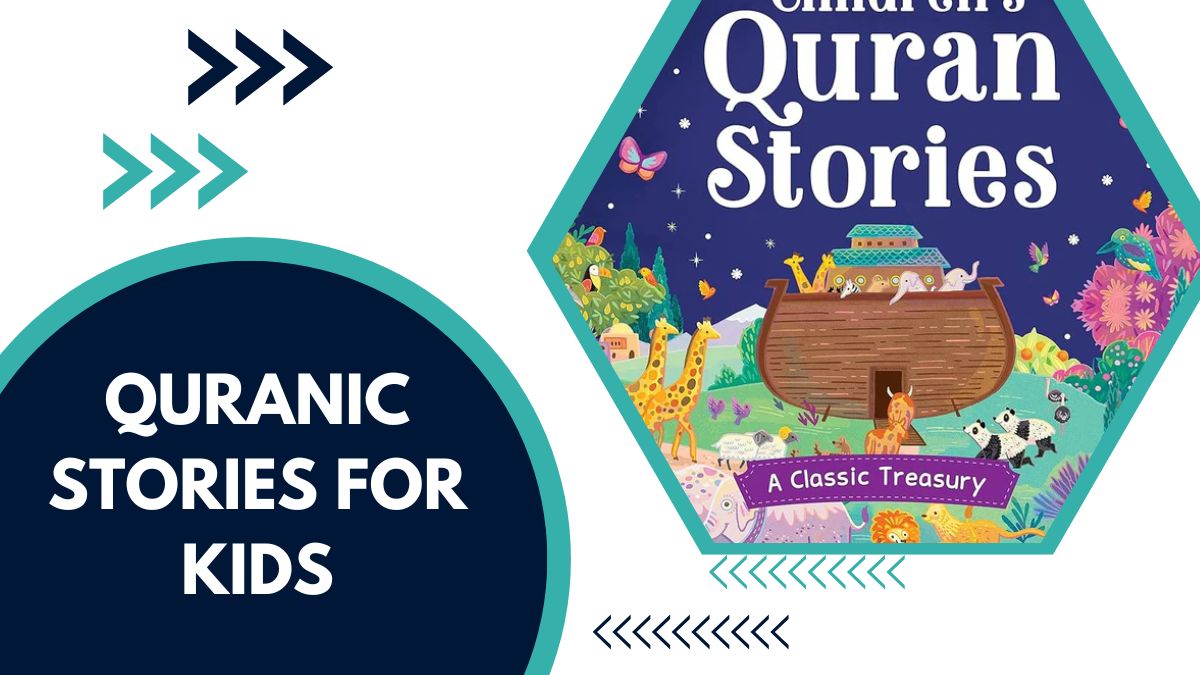
Children are naturally drawn to visuals. Using pictures, illustrated storybooks, flashcards, or even simple animations can bring the story to life. Visual aids help children imagine the events more clearly and make the experience more exciting and memorable.
4. Relate Stories to Daily Life
Help children see how these stories apply to their own lives. For example:
- “Remember how Prophet Yusuf was patient? We should also be patient when things are hard.”
This step is very important because it turns stories from entertainment into practical guidance that shapes behavior and character.
5. Repeat Stories Regularly
Repetition is key for learning, especially for children. When they hear the same story multiple times, they begin to notice new details and understand deeper meanings. Over time, the lessons become more rooted in their hearts and minds.
6. Use Expression and Emotion
Change your tone of voice, show excitement, and express emotions while telling the story. This makes storytelling more engaging and helps children feel the events, not just hear them. A lively storytelling style keeps their attention and makes the lesson stick.
7. Encourage Retelling
Ask your child to retell the story in their own words. This helps improve memory, builds confidence, and shows you how much they understood. You can also let them act out parts of the story for a more fun and interactive experience.
Benefits of Quranic Storytelling at Bedtime
Bedtime is one of the most special and calm moments of the day, making it an ideal time to introduce Quranic stories. During this time, children are more relaxed, focused, and emotionally receptive, which makes the impact of storytelling even deeper.
1. Creates a Peaceful Routine
Ending the day with a meaningful Quranic story helps children wind down naturally. Instead of screen time or distractions, they enter a calm and comforting atmosphere that prepares their mind for sleep. This routine not only improves sleep quality but also associates bedtime with something positive and spiritually uplifting.
2. Strengthens Parent-Child Bond
Storytime becomes a warm and intimate moment between parents and children. Sitting together, sharing stories, and having gentle conversations builds trust and emotional closeness. These small daily moments create lasting memories and make children feel safe, loved, and connected.
3. Reinforces Positive Values
Hearing stories with strong moral lessons right before sleep allows those values to settle deeply in a child’s mind. Lessons about patience, honesty, trust in Allah, and kindness are more likely to be remembered and reflected upon subconsciously during sleep.
4. Encourages Reflection and Calm Thinking
Bedtime stories give children a chance to slow down and think about what they learned. Simple questions like “What did you like most in the story?” or “What would you do in that situation?” help them reflect quietly and build deeper understanding.
Making Quranic Stories Fun and Engaging
Children learn best when they are enjoying the process. Adding creativity and variety can turn storytelling into an exciting and memorable experience.
1. Story Acting
Encourage children to act out parts of the story using simple gestures, expressions, or even costumes. This makes the story come alive and helps children understand events more clearly. It also builds confidence and improves communication skills.
2. Drawing and Coloring
Ask children to draw their favorite scene or character from the story. This activity allows them to express what they understood in their own creative way and strengthens memory through visual association.
3. Story Games
Turn the story into fun activities like quizzes, matching games, or simple puzzles. For example, you can ask: “Who said this?” or “What happened first?” These games reinforce learning while keeping children excited and involved.
4. Audio Stories
Using storytelling apps or recorded Quranic stories adds variety to the learning experience. Listening to different voices and styles can keep children interested and help improve their listening skills. It’s also a great option for car rides or quiet time.
5. Reward and Motivation System
You can create a simple reward system where children earn stars or small rewards for listening carefully, answering questions, or retelling the story. This encourages consistency and makes learning something they look forward to.
6. Create a Story Corner
Design a cozy space at home dedicated to storytelling, with books, cushions, and soft lighting. Having a special place makes the experience feel more magical and helps children associate it with comfort and learning.
Exercises on Quranic Stories for Kids
Quranic Stories Interactive Learning Exercises
Test and verify your understanding of the foundational lessons, prophetic milestones, and narrative methodologies discussed in the guide:
1. Quranic Verse Character Attribution
Type the English name of the specific Prophet associated with each revealed Quranic verse phrase (e.g., Adam, Musa, Yusuf, Yunus):
A. “No blame will there be upon you today. Allah will forgive you; and He is the most merciful…”
B. “There is no deity except You; exalted are You. Indeed, I have been of the wrongdoers.”
C. “Our Lord, we have wronged ourselves, and if You do not forgive us and have mercy upon us…”
2. Pedagogical Application Selector Matrix
Select the primary interactive method description that accurately defines the dynamic of “Encouraging Retelling”:
Visual Aids Strategy
Using illustrated storybooks, flashcards, or simple animations to bring the scene to life.
Retelling Strategy
Asking your child to restate the historical narrative in their own words to improve memory and confidence.
Daily Life Linkage
Connecting a Prophet’s patience directly to the child’s modern routine or family interactions.
3. Narrative Sequence Matrix: The Three Darknesses
According to the account of Prophet Yunus (عليه السلام), reconstruct the three levels of darkness surrounding him:
Layer One
The external temporal darkness of the:
Layer Two
The environmental watery darkness of the:
Layer Three
The internal physical darkness inside the:
4. Historical Fact Verification Audit
Determine whether each historical narrative statement from the article is True or False:
A powerful king named Abraha tried to attack the Kaaba with a giant elephant named Mahmud, but it refused to move.
Islamic tradition strongly encourages drawing precise facial visual paintings and pictures of all the Prophets.
The young men of the Cave (Ashab al-Kahf) slept undisturbed inside their safe mountain sanctuary for 309 years.
5. Prophetic History & Sign Matching
Associate each unique narrative element or historical sign to its corresponding Prophetic profile:
A miraculous giant she-camel emerging from a solid mountain rock:
Unwavering patience (Sabr) during years of sickness, followed by a healing spring:
A spider spinning a protective web across the entrance of Cave Thawr:
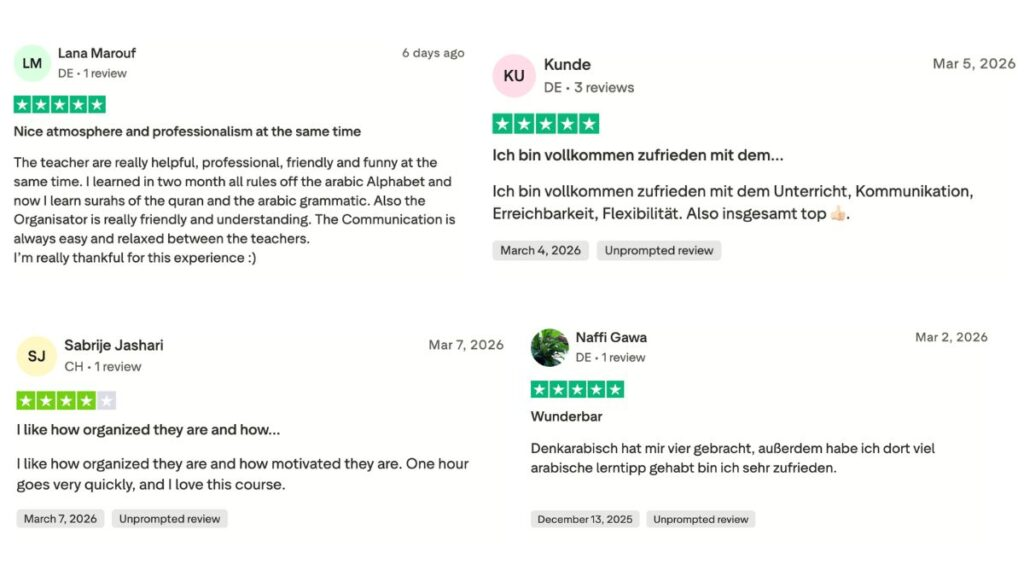
What Our Students Say About Denk Arabisch Academy
See what our students say about learning at Denk Arabisch Academy on Trustpilot. Read their experiences and check out more reviews to discover how our courses help improve Arabic.
Unlock Your Child’s Potential with Denk Arabisch
Are you looking for a structured, professional, and engaging way to teach your children the Quran and Arabic?
At Denk Arabisch, we bridge the gap between language and faith for German-speaking families. We understand the unique challenges of raising Muslim children in the West, and we have crafted our curriculum to be the perfect solution.
Why Choose Our Courses?
- Tailored for German Speakers: We speak your language and understand your context.
- Expert Tutors: Certified teachers who specialize in engaging young minds.
- Flexibility: Learn from the comfort of your home with schedules that fit your busy life.
We Offer:
- Quran Courses for German-Speaking Children: Interactive and structured lessons that help children read, understand, and connect with the Quran confidently.
- Islamic Studies Courses for German Speakers: Simple, engaging classes that teach Aqeedah, manners, and daily Islamic practices in a relatable way.
- Tajweed Courses for German-Speaking Children: Step-by-step guidance to help kids master correct pronunciation and recitation rules with ease.
- Arabic Lessons for German-Speaking Children: Fun and engaging sessions that build strong Arabic language skills and deepen understanding of the Quran.
Don’t let your child miss out on the beauty of their heritage.
👉 Join the Denk Arabisch family and give your child the gift of faith and language.
Learn the Quran with Denk Arabisch Academy
Master reading and understanding the Quran through structured and supportive learning
Try a Free TrialConclusion
Quranic stories for kids are a powerful tool for nurturing faith, character, and emotional intelligence. They go beyond simple storytelling—they shape how children see the world, understand right and wrong, and connect with their Creator.
By introducing these stories in a fun, engaging, and consistent way, parents and educators can create a strong Islamic foundation that lasts a lifetime.
Start today with one simple story, and you will soon see how these timeless lessons begin to influence your child’s heart, behavior, and love for Islam.
FAQs
To wrap up this guide, we’ve answered some of the most common questions parents and teachers have when sharing these beautiful narratives with young learners.
1. What is the best age to start telling Quranic stories to children?
You can start as early as 2 or 3 years old. At this age, children may not understand complex theology, but they love the imagery of animals (like the whale or the camel) and the idea of a loving Creator. As they grow (ages 6–10), you can introduce deeper moral lessons and specific Quranic verses.
2. Should I show my children pictures of the Prophets?
In Islamic tradition, it is strictly not allowed to draw or depict the Prophets (Peace Be Upon Them). Instead, encourage children to use their imagination. You can use visual aids for the surroundings—like a beautiful garden for Paradise, a giant wooden boat for the Ark, or the vast desert for Prophet Ibrahim’s story.
3. How can I make the stories feel “real” to a modern child?
Relate the struggles of the Prophets to their daily lives. For example:
Prophet Yusuf’s story is perfect for talking about sibling rivalry.
Prophet Nuh’s story helps when a child feels “left out” for doing the right thing.
Prophet Yunus’s story is great for teaching how to say “I’m sorry” after a mistake.
4. Which story should I start with?
The story of Prophet Yunus (AS) and the Whale or Prophet Nuh (AS) and the Ark are usually the biggest hits with younger children because of the animal themes. For older children, the story of Prophet Yusuf (AS) is incredibly engaging because of its plot twists and emotional depth.
5. Where can I find authentic sources for these stories?
While many storybooks exist, always ensure they are based on the Quran and authentic Hadith. Referencing the specific verses (like those provided in this guide) ensures you are staying true to the divine message while simplifying the language for your child.