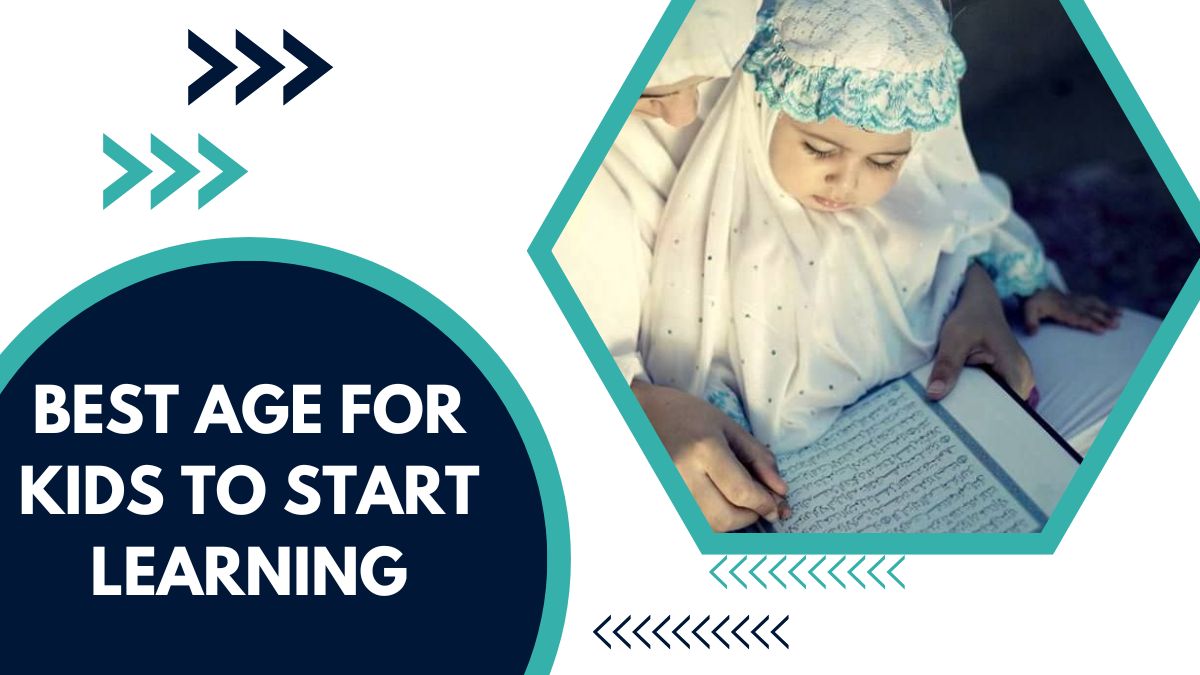
Teaching children the Quran is one of the most valuable gifts a parent can offer. It goes beyond simple reading—it shapes a child’s character, strengthens their faith, and builds a lifelong connection with the words of Allah. However, many parents wonder: What is the best age for children to start learning the Quran?
The answer depends on a child’s developmental stage, readiness, and the approach used in teaching. Some children begin as early as three years old through listening and repetition, while others start structured learning later. What truly matters is creating a positive, engaging, and consistent learning environment.
In this guide, we will explore the ideal age to start Quran learning, the benefits of early exposure, and how parents can support their children in building a strong and lasting relationship with the Quran.
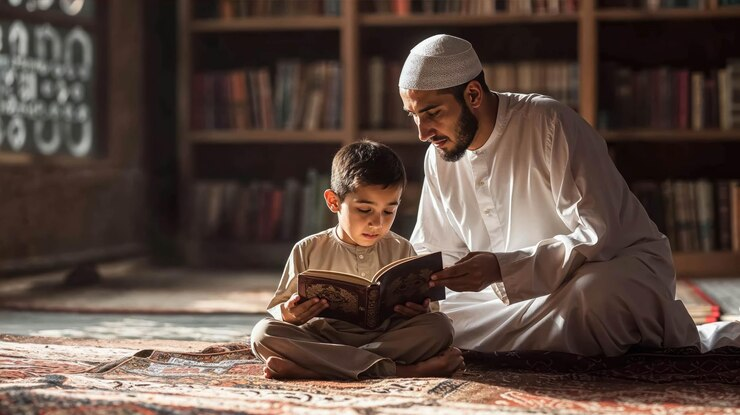
Table of Contents
Why Teaching the Quran Early Matters?
The Quran is not just a book—it is a complete guide for life. Introducing it early allows children to:
- Develop a strong spiritual foundation
- Build moral values and discipline
- Strengthen memory and language skills
- Form a deep emotional connection with their faith
Children who grow up with the Quran often carry its teachings throughout their lives, influencing their behavior, decisions, and identity.
👉 With Denk Arabisch, children don’t just memorize—they develop love, understanding, and a lifelong connection with the Book of Allah through engaging and age-appropriate methods.
What Is the Best Age Overall to Learn the Quran?
According to our study,
- Early exposure: Ages 3–4
- Best age for structured learning: Ages 5–7
- Alternative starting point: Any age with the right approach
The most effective time to begin structured Quran learning is between 5 and 7 years old, but starting earlier with gentle exposure gives children a strong advantage.
Understanding Child Development and Quran Learning
Before determining the best age to start Quran learning, it’s important to understand how children develop and learn at different stages of life. Every age comes with unique strengths, abilities, and learning styles that affect how a child connects with the Quran.
Young children naturally possess:
- Strong memorization abilities
- Natural curiosity and eagerness to explore
- High adaptability to new sounds and languages
- A powerful ability to imitate pronunciation and rhythm
At the same time, children also have limitations that parents and teachers should respect. Their attention span is usually short, especially in the early years, and they learn best through repetition, encouragement, play, and emotional connection—not through pressure or strict expectations.
For this reason, successful Quran learning should always match the child’s developmental stage. The goal is not only memorization, but also building a lifelong love for the Quran.
Ages 3–4: Early Exposure to the Quran
At this tender age, the focus shifts from passive listening to active phonetic play, where the goal is to build a joyful, pressure-free connection with the sounds of the Arabic language and the beauty of Quran recitation.
Children at this stage are highly impressionable. Even though they may not fully understand the meanings of words, their brains absorb sounds, tones, and rhythms incredibly fast. This makes early exposure extremely valuable.
What Children Can Learn?
At this age, children are not yet ready for formal or structured Quran lessons, but they are excellent at absorbing language patterns and memorizing through listening.
They can:
- Listen attentively to Quran recitation
- Repeat short Quranic phrases
- Memorize very short surahs
- Recognize Arabic letters informally
- Become familiar with the sound of Tajweed
- Learn simple Islamic words and expressions
Best Teaching Methods
The learning experience should remain light, fun, and emotionally positive.
Helpful methods include:
- Playing Quran recitation softly in the background
- Using very short surahs such as Surah Al-Fatihah, Al-Ikhlas, and Al-Falaq
- Repeating verses gently throughout the day
- Using visuals, flashcards, songs, and storytelling
- Praising small achievements enthusiastically
- Allowing children to imitate without correction overload
At this stage, the priority is not perfection or heavy memorization. The goal is to create familiarity, comfort, and love for the Quran. A child who emotionally connects with the Quran early is more likely to remain attached to it later in life.
Ages 5–7: The Ideal Age to Start Structured Quran Learning
Most Islamic educators and child development specialists agree that ages 5 to 7 are the best time to begin structured Quran learning.
This is often considered the “golden stage” for memorization because children at this age combine strong memory skills with improved focus and the ability to follow instructions.
Why This Age Is Ideal?
At this stage, children:
- Develop a stronger attention span
- Can sit and focus for longer periods
- Begin understanding routines and discipline
- Are capable of daily consistent practice
- Memorize quickly and naturally
- Respond well to encouragement and rewards
Their pronunciation abilities are also still highly flexible, making it easier to learn correct Arabic sounds and Makharij.
What Children Can Learn?
Children in this age group can successfully begin:
- Arabic alphabet recognition
- Noorani Qaida or beginner reading books
- Basic Tajweed rules
- Memorization of short surahs
- Correct pronunciation (Makharij)
- Daily Quran reading habits
Effective Learning Approach
The most effective Quran learning at this stage includes:
- Short daily lessons (15–30 minutes)
- Consistent repetition and revision
- Positive reinforcement and encouragement
- Interactive activities and recitation practice
- Learning with a qualified teacher or supportive parent
- Building confidence instead of fear of mistakes
This stage is one of the strongest periods for long-term Quran memorization. Children can memorize quickly and often retain what they learn for many years when revision is consistent.
👉 Denk Arabisch offers specially designed structured Quran Course For Kids for this golden age, focusing on Tajweed, memorization, confidence building, and creating a positive learning experience for young children.
Ages 8–10: Strengthening and Deepening Quran Knowledge
If a child did not begin Quran learning earlier, this stage is still an excellent time to start. In fact, many children become more serious and independent learners during these years.
At this age, children begin transitioning from simple memorization to deeper understanding and conscious learning.
What Changes at This Age?
Children develop:
- Better comprehension skills
- Longer attention span
- Stronger discipline and consistency
- Greater ability to understand meanings and concepts
- Improved reading fluency
They also become more capable of asking thoughtful questions and reflecting on what they learn.
What They Can Focus On?
Children at this stage can work on:
- Improving Tajweed accuracy
- Memorizing longer surahs
- Understanding basic Tafsir and meanings
- Developing fluency in recitation
- Strengthening daily revision habits
- Building confidence in public recitation
Helpful Teaching Strategies
At this age, children benefit from:
- Goal-based learning plans
- Memorization tracking charts
- Understanding stories and meanings behind verses
- Listening to skilled Quran reciters
- Encouraging independence and self-review
- Gentle accountability and routine building
While memorization speed may become slightly slower than during early childhood, understanding becomes much stronger. This allows children to form a deeper intellectual and spiritual relationship with the Quran.
Read also: Learning The Quran For Children – Ages 5 And Up
Ages 11 and Above: It’s Never Too Late
Many parents worry if their child has not started Quran learning early. However, the reality is simple: it is never too late to begin learning the Quran.
Older children and teenagers often have advantages that younger children do not yet possess.
Strengths of Older Learners
Older children can:
- Understand concepts more quickly
- Reflect on meanings more deeply
- Develop a conscious spiritual connection
- Learn Tajweed rules intellectually
- Build personal motivation and responsibility
They may also appreciate the wisdom, stories, and guidance of the Quran on a deeper emotional level.
Challenges They May Face
At the same time, older learners may experience:
- More distractions and busy schedules
- Lower memorization speed compared to younger children
- Fear of making mistakes
- Reduced consistency without motivation
This is why supportive teaching and structured discipline become especially important at this stage.
Best Approach for Older Children
Helpful strategies include:
- Setting realistic goals
- Focusing on consistency over speed
- Connecting verses to daily life
- Encouraging understanding alongside memorization
- Creating a supportive, non-judgmental environment
- Allowing children to progress at their own pace
The Quran is for every age and every stage of life. Starting later does not reduce the value or reward of learning. With sincerity, consistency, and encouragement, older children can still become excellent Quran readers and memorizers.
Learn the Quran with Denk Arabisch Academy
Master reading and understanding the Quran through structured and supportive learning
Try a Free TrialBenefits of Starting Quran Learning Early
Starting the Quranic journey during childhood offers more than just spiritual rewards; it provides significant cognitive and character-building advantages.
1. Superior Pronunciation (Tajweed)
The muscles in the throat and mouth are more flexible in young children. Learning the Makharij (articulation points) of Arabic letters early ensures they develop a native-like accent, which is much harder to achieve as an adult.
2. Cognitive Development
Memorizing the Quran involves high-level cognitive processes. It improves:
- Working Memory: The act of repeating and retaining verses strengthens the brain’s “RAM.”
- Discipline: Following a daily Sabaq (new lesson) builds a work ethic that translates to school and life.
3. Emotional Resilience
Children who grow up with a connection to the Quran often report a higher sense of identity and purpose. The verses become a source of internal guidance and moral grounding.
👉 Our Denk Arabisch’s Tajweed Course for Kids are designed to maximize these early benefits through interactive lessons that strengthen memory, pronunciation, and faith.
How to Teach the Quran Effectively
A simple and gradual approach helps children build confidence and stay consistent without feeling overwhelmed.
1. Start Small
Keep lessons short and manageable:
- 10–15 minutes for younger children
- 20–30 minutes for older children
Consistency is more important than long sessions.
2. Make Learning Fun
Children learn best when they enjoy the process:
- Use games and rewards
- Incorporate storytelling
- Use colorful books and visual aids
3. Focus on Repetition
Repetition strengthens memory. Encourage children to:
- Repeat verses multiple times
- Review previously learned surahs daily
4. Create a Quran-Friendly Environment
- Play Quran recitation at home
- Set a fixed daily routine
- Encourage family participation
5. Be Patient and Supportive
Every child learns at a different pace. Avoid pressure and:
- Celebrate small achievements
- Encourage effort
- Stay positive
6. Consider a Qualified Teacher
A skilled Quran teacher can:
- Correct pronunciation
- Provide structured lessons
- Keep the child motivated
👉 Denk Arabisch follows these same principles, combining patience, fun, and structure to make Quran learning easy and enjoyable for every child.
Effective Teaching Methods for Different Ages
To maximize retention and love for the Book of Allah, adapt your teaching style to the child’s developmental stage.
For Toddlers (Ages 2–4): The “Imitation” Method
- Recite out loud during chores.
- Encourage them to finish the last word of a short verse (e.g., you say “Qul huwa Allahu…” and they shout “Ahad!“).
For Young Children (Ages 5–8): The “Multi-Sensory” Method
- Use color-coded Tajweed Mushafs.
- Incorporate educational apps that gamify the alphabet.
- The Rule of 7: Repeat a new verse seven times with the child while they look at the text.
For Older Children (Ages 9+): The “Conceptual” Method
- Start introducing the Tafsir (meaning) of short Surahs.
- When a child understands that Surah Al-Fil is about elephants and miracles, their engagement levels skyrocket.
Common Mistakes Parents Should Avoid
Pushing children too hard or too early can create stress and reduce their motivation to learn.
1. Forcing the Child
Pressure can lead to:
- Dislike of learning
- Stress and frustration
2. Focusing Only on Memorization
Understanding and love for the Quran are just as important as memorization.
3. Inconsistency
Skipping lessons frequently slows progress and breaks habits.
4. Comparing Children
Each child learns differently. Avoid comparisons that may harm confidence.
Read also: Moral Lessons From Quranic Stories – Timeless Guidance For Everyday Life
The Role of Parents: You are the Primary Teacher
Even if you enroll your child in a Madrasa or hire an online tutor, your role is irreplaceable.
- Be the Example: If your child never sees you reading the Quran, they will view it as “homework” rather than a lifestyle.
- Consistency over Intensity: It is better to read two lines every single day than to read five pages once a week.
- Create a Sacred Space: Have a specific, clean, and well-lit area in the house dedicated to Quranic study.
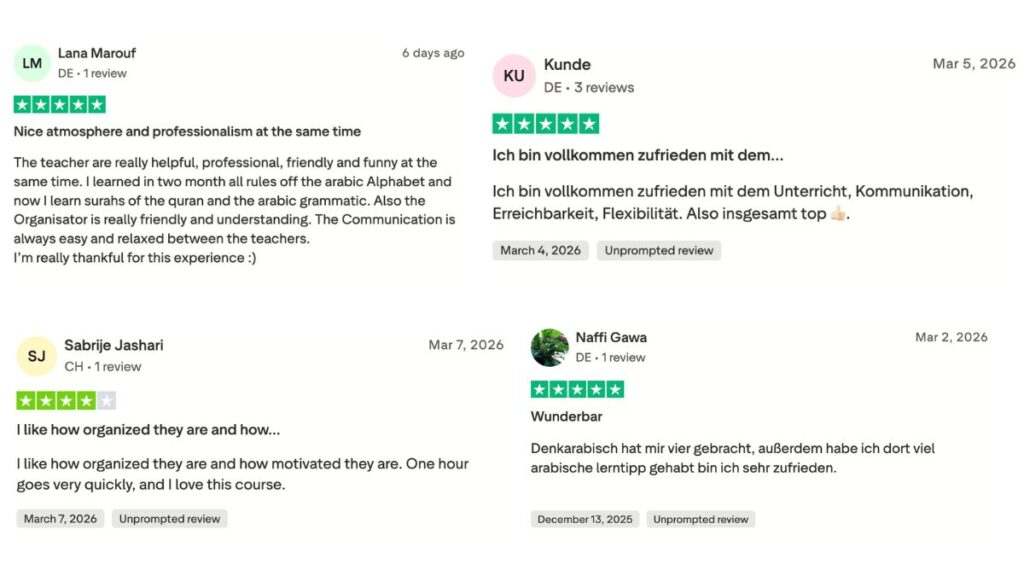
What Our Students Say About Denk Arabisch Academy
See what our students say about learning at Denk Arabisch Academy on Trustpilot. Read their experiences and check out more reviews to discover how our courses help improve Arabic.
Your Journey starts now!
While parents can teach the basics, a qualified Quran teacher can help with correct pronunciation, Tajweed, and structured learning, especially as the child progresses.
Choosing the right time for your child to start learning the Quran can shape their entire future—but waiting too long may mean missing the most important learning window. The earlier your child begins with the right guidance, the stronger their connection with the Quran will be for life.
At Denk Arabisch, we don’t just teach Quran reading—we build confident young Muslims who love the Book of Allah, understand it, and live by it. Our structured, age-based programs are designed to make learning simple, effective, and enjoyable for every child, no matter their starting point.
Now is the time to take action. Give your child the advantage of expert guidance, proven teaching methods, and a supportive learning environment that truly works.
Quran Courses for Kids
- Nurture a lifelong love for the divine words by choosing a Quran Course for Kids that prioritizes patient and supportive teaching.
- Help your child master the rhythm of the Quran, ensuring that a Tajweed Course for Kids gives them the tools to recite with grace.
- Give your child a global advantage by making Arabic Classes for Kids their foundation for bilingual success.
👉 Enroll today at Denk Arabisch and secure your child’s Quran journey before the next term fills up.
Spots are limited—and your child’s best learning years are happening right now.
Learn the Quran with Denk Arabisch Academy
Master reading and understanding the Quran through structured and supportive learning
Try a Free TrialConclusion
Choosing the best age for children to start learning the Quran is important, but it is not the only factor that determines success. While ages 5 to 7 are considered ideal for structured learning, every child is different, and learning can begin at any stage with the right approach.
What truly makes a difference is consistency, patience, and creating a love for the Quran in your child’s heart. When children enjoy learning and feel supported, they are more likely to stay connected to the Quran throughout their lives.
As a parent, your role is to guide, encourage, and inspire—not to pressure. By starting early, keeping lessons simple, and making learning enjoyable, you can help your child develop a strong spiritual foundation that will benefit them for years to come.
FAQs
1. What is the best age for children to start learning the Quran?
The best age for structured Quran learning is typically between 5 and 7 years old. However, children can start listening and memorizing short surahs as early as 3 to 4 years old.
2. Can a child start learning the Quran before age 5?
Yes, children can begin early through listening and repetition. At this stage, learning should be fun and pressure-free, focusing on exposure rather than formal lessons.
3. Is it too late to start learning the Quran after age 10?
Not at all. It is never too late to start. Older children may learn faster in terms of understanding and can still achieve excellent results with consistency and motivation.
4. How long should a child study the Quran each day?
Young children benefit from short sessions of 10–20 minutes daily. As they grow older, this can gradually increase to 20–30 minutes or more depending on their ability.
5. Should children focus on memorization or understanding first?
Both are important. Younger children often start with memorization, while understanding can be introduced gradually as they grow older.
6. How can I make Quran learning enjoyable for my child?
You can make learning fun by:
Using games and rewards
Incorporating storytelling
Keeping lessons short and engaging
Celebrating small achievements
7. Do I need a professional Quran teacher for my child?
Yes, hiring a professional or qualified Quran teacher is highly recommended to ensure your child learns correct pronunciation, tajweed, and develops a positive relationship with the Holy Book.