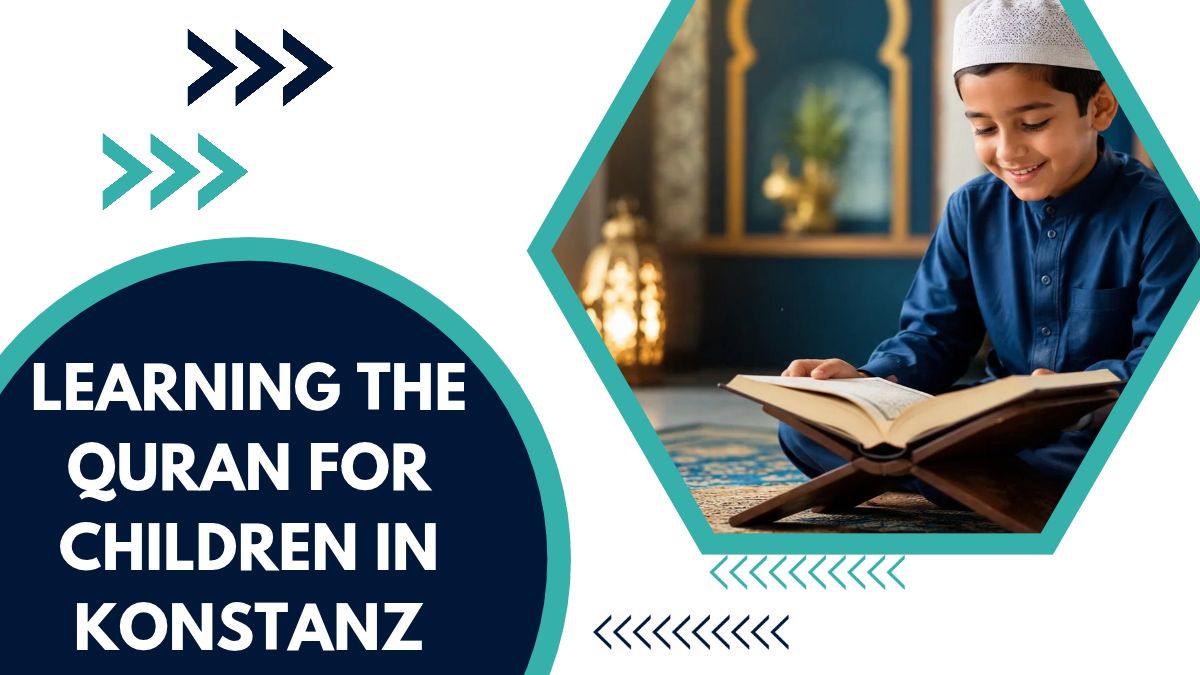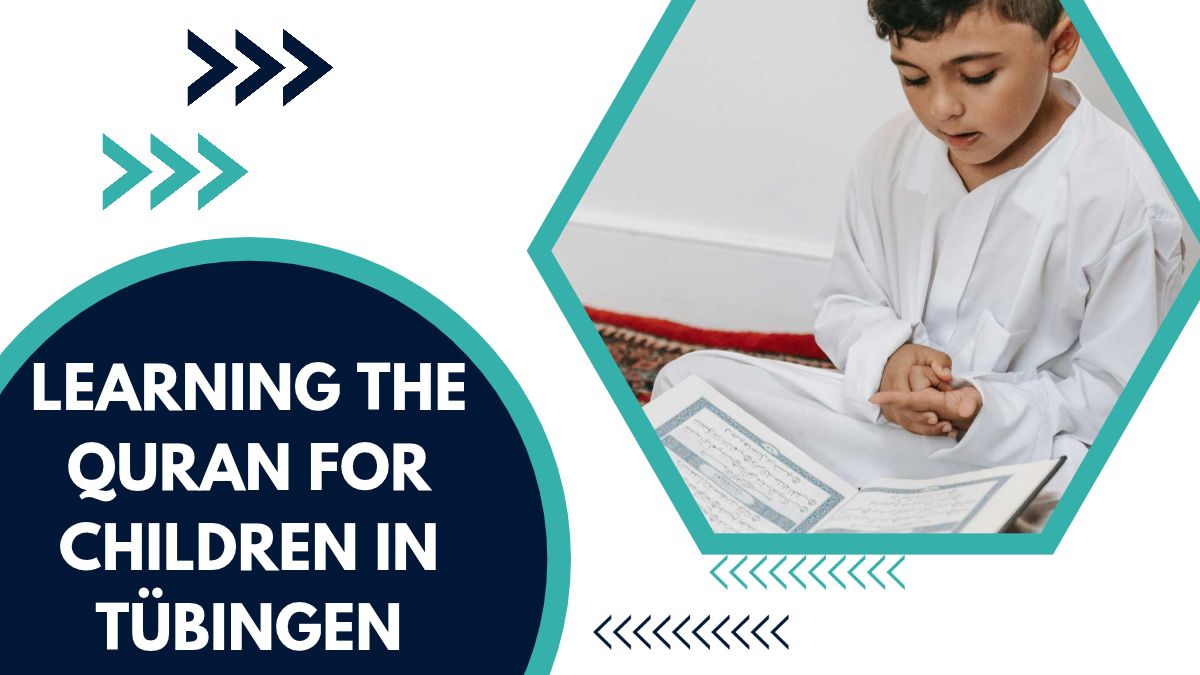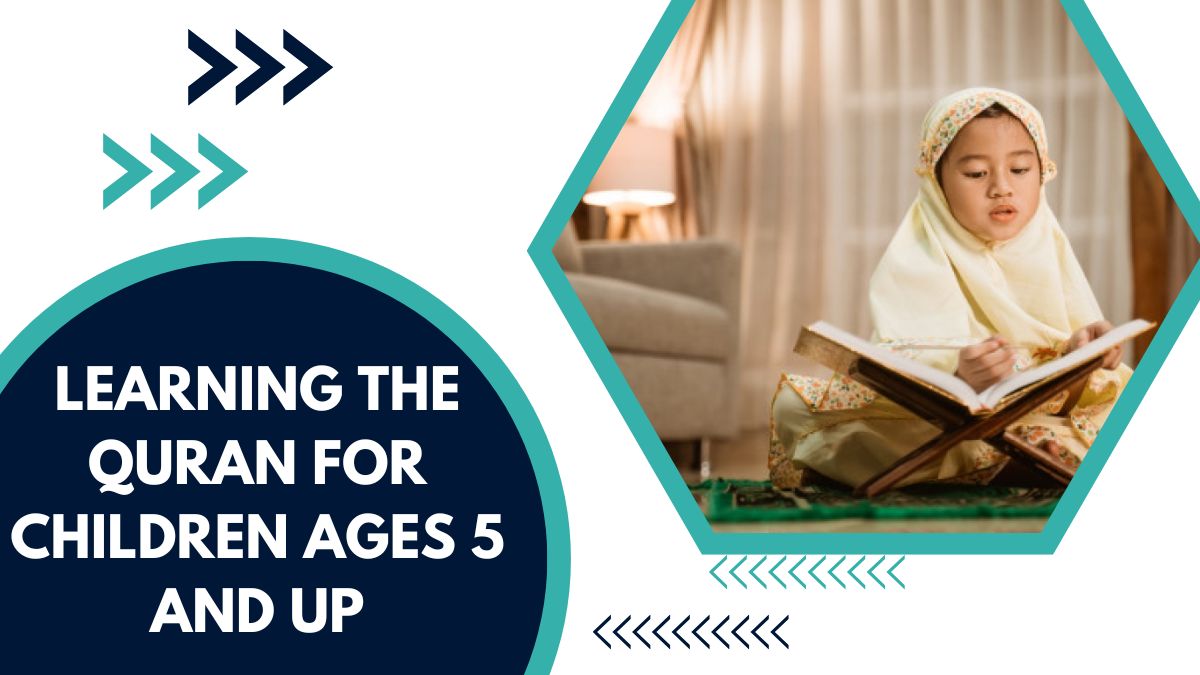
Teaching children the Quran from an early age is one of the greatest gifts parents can give. Between the ages of 5 and above, children are naturally ready to learn, memorize, and build lifelong habits. At this stage, their minds absorb information quickly, their curiosity is strong, and their connection to routines becomes easier to develop.
That is why Learning The Quran For Children Ages 5 And Up is not simply about reading Arabic words—it is about helping children grow with faith, discipline, confidence, and a strong Islamic identity from an early age.
With the right approach, Quran learning becomes a joyful part of daily life rather than a difficult task. Through consistency, encouragement, and proper guidance, children can develop a deep love for the Quran that stays with them for life.
Denk Arabisch builds smart learning routines that fit naturally into your child’s daily life—so Quran learning becomes a habit, not a burden.
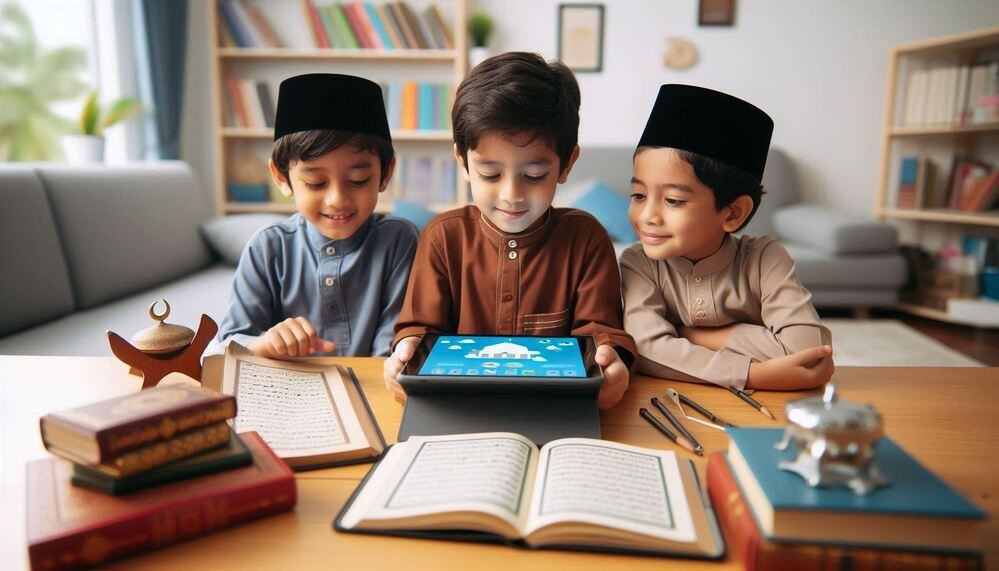
Table of Contents
Why Start Learning the Quran at Age 5?
Early childhood is one of the most important stages in a child’s development. Around the age of 5, children begin building stronger language skills, emotional understanding, and the ability to memorize quickly. This makes it the perfect time to introduce Quran learning in a way that feels natural, enjoyable, and meaningful.
At this age, children are highly impressionable. The habits, values, and routines they learn now often stay with them for life. Teaching the Quran early not only helps with memorization but also builds a deep spiritual connection with Allah ﷻ from a young age.
1. Strong Memory Capacity
Young children have an incredible ability to memorize and retain information. This is one of the main reasons many Huffaz begin memorizing the Quran early in life.
At this stage, children can:
- Memorize short surahs quickly
- Repeat verses with ease
- Retain pronunciation patterns naturally
- Develop strong long-term memory skills
2. Natural Curiosity
Children who learn the Quran early often grow up seeing Quran recitation as part of their normal daily routine.
Daily Quran practice helps children develop:
- Discipline
- Consistency
- Focus
- Time management
When learning starts young, the Quran becomes part of a child’s lifestyle instead of feeling like an obligation later in life.
3. Formation of Identity
Learning the Quran helps children understand Islamic values from an early age.
They begin learning:
- Respect for parents
- Honesty
- Patience
- Kindness
- Gratitude
- Love for Allah ﷻ
This creates a strong spiritual foundation that supports them throughout life.
4. Habit Formation
The Quran teaches children calmness, mercy, and emotional balance. Listening to Quran recitation also creates peace and comfort for young learners.
Children who regularly engage with the Quran often develop:
- Better emotional control
- Stronger confidence
- Improved behavior
- Greater empathy toward others
How Children Ages 5 And Up Learn The Quran Best?
Every child learns differently, but most young learners succeed when Quran education is simple, interactive, and consistent. At ages 5 and above, children are naturally curious and eager to explore new sounds, words, and routines. This makes it the perfect stage to introduce Quran learning in a way that feels enjoyable rather than overwhelming.
The key is to focus on gradual progress, encouragement, and daily practice. When children feel comfortable and motivated, they develop a stronger connection with the Quran and become more confident in learning.
1. Starting with Arabic Letters and Noorani Qaida
Before children can read the Quran fluently, they first need a strong foundation in Arabic reading. This begins with learning:
- Arabic letters
- Letter sounds
- Harakat (vowel marks)
- Proper pronunciation
- Basic reading rules
One of the most effective methods for beginners is using Noorani Qaida. It introduces Quranic Arabic step by step in a simple and organized way that is easy for children to follow.
This stage is extremely important because it helps children:
- Recognize Arabic letters quickly
- Differentiate between similar sounds
- Learn how letters connect in words
- Build confidence while reading
- Prepare for smooth Quran recitation later
At this age, children learn best through repetition and practice. Parents and teachers should avoid rushing the process. Strong basics make advanced Quran learning much easier in the future.
Using fun exercises during this stage can also make learning more exciting, such as:
- Letter tracing activities
- Flashcards
- Pronunciation games
- Reading short syllables aloud
- Matching letters with sounds
When children feel successful in small steps, they become more motivated to continue learning.
2. Learning Through Listening and Repetition
Listening is one of the most powerful learning tools for children. Young learners naturally imitate sounds they hear regularly, which is why repeated Quran listening is highly effective.
Children should frequently listen to:
- Short surahs
- Slow recitation for beginners
- Qualified Quran reciters with clear pronunciation
This method helps children:
- Memorize verses faster
- Improve pronunciation naturally
- Strengthen Tajweed skills
- Develop listening and concentration abilities
- Become familiar with Quranic rhythm and flow
Repetition also builds confidence. Even if children cannot read fluently yet, listening daily helps them feel connected to the Quran and familiar with its words.
Parents can support this method by:
- Playing Quran recitation at home
- Repeating the same surah multiple times
- Encouraging children to recite along
- Listening during car rides or before bedtime
Short surahs from Juz Amma are especially suitable for children because they are easier to memorize and repeat.
The more children hear the Quran, the easier memorization and recitation become over time.
3. Using Visual and Interactive Learning
Children learn much faster when lessons are visual, colorful, and interactive. Traditional teaching alone may not always keep young children focused, so using engaging tools can greatly improve their learning experience.
Helpful learning tools include:
- Color-coded Quran books
- Flashcards with Arabic letters
- Interactive Quran apps
- Educational videos for kids
- Audio repetition exercises
- Whiteboards and drawing activities
Visual learning helps children:
- Remember information more easily
- Stay focused for longer periods
- Understand lessons faster
- Enjoy the learning process
Interactive activities also reduce boredom and make Quran lessons feel exciting instead of stressful.
For example, teachers and parents can:
- Use rewards charts for memorization progress
- Turn revision into simple games
- Use storytelling with pictures
- Practice letter recognition through matching activities
Technology can also support learning when used correctly. Child-friendly Islamic apps and Quran games can increase motivation and encourage regular practice at home.
When learning feels fun, children become more eager to participate and continue improving.
4. Story-Based Quran Learning
Children naturally love stories, and storytelling is one of the best ways to teach Quran lessons in a meaningful and memorable way.
Instead of focusing only on memorization, children should also understand the values and lessons behind what they learn. Stories of the Prophets help children emotionally connect with Islamic teachings and apply them in daily life.
Examples include:
- Prophet Nuh (عليه السلام) teaching patience and perseverance
- Prophet Ibrahim (عليه السلام) teaching trust in Allah
- Prophet Yusuf (عليه السلام) teaching forgiveness and honesty
- Prophet Musa (عليه السلام) teaching courage and leadership
Story-based learning helps children:
- Understand Islamic morals
- Develop emotional connection with the Quran
- Improve listening and comprehension skills
- Remember lessons more easily
- Relate Quranic teachings to real life
Parents can make stories more engaging by:
- Using expressive storytelling
- Asking simple questions afterward
- Connecting lessons to daily behavior
- Using illustrated Islamic storybooks
For example:
- “What can we learn from Prophet Yusuf’s patience?”
- “How can we show kindness like the Prophets did?”
This approach transforms Quran learning from memorization into character development.
Elevate your spiritual journey by joining the Islamic Studies Course to gain a profound and authentic understanding of faith and practice.
5. Short and Consistent Lessons
Young children usually have short attention spans, so long lessons can quickly lead to boredom and frustration. This is why short daily sessions are much more effective than long study periods.
For children ages 5 and up, the ideal Quran routine is:
- 10–20 minutes daily
- Consistent practice every day
- One small goal at a time
- Gradual progress over speed
Consistency is far more important than studying for long hours occasionally.
Daily short lessons help children:
- Stay focused
- Avoid feeling overwhelmed
- Retain information better
- Build strong habits over time
A simple daily routine may include:
- 5 minutes of revision
- 5 minutes of new memorization
- 5 minutes of listening practice
Children learn best when they feel relaxed and successful. Parents should focus on steady improvement rather than perfect results.
Encouragement also plays a huge role. Praising effort, celebrating small achievements, and maintaining a positive environment can significantly increase a child’s motivation and confidence.
Over time, these small daily habits create strong Quran learning skills and a lifelong connection with the Quran.
Read also: Best Age For Kids To Start Learning – A Complete Guide For Parents
Teaching Quran Reading to Children Ages 5 And Up
Learning to read the Quran correctly is one of the first major milestones for children.
Children should learn:
- Arabic letter recognition
- Harakat (vowel marks)
- Word connection
- Basic reading fluency
Parents should focus on:
- Encouragement instead of pressure
- Daily reading practice
- Positive reinforcement
- Patience during mistakes
At Denk Arabisch, Quran Course For Kids are designed specifically for children so they can learn comfortably, confidently, and at their own pace.
Teaching Tajweed to Children Ages 5 And Up
Tajweed teaches children how to pronounce Quranic letters correctly.
Introducing Tajweed early helps children:
- Read accurately
- Avoid pronunciation mistakes
- Develop beautiful recitation habits
- Build confidence while reading
Simple Ways to Teach Tajweed to Children
1. Focus on One Rule at a Time
Children learn better gradually. Start with simple pronunciation rules before moving to advanced concepts.
2. Use Repetition
Repeating verses multiple times strengthens correct pronunciation naturally.
3. Practice with Short Surahs
Short surahs help children focus on Tajweed without feeling overwhelmed.
4. Use Audio Support
Listening to skilled reciters improves pronunciation and recitation rhythm.
Denk Arabisch teaches Tajweed through our Tajweed Course For Kids in a child-friendly way that makes learning easy and enjoyable for beginners.
Learn the Quran with Denk Arabisch Academy
Master reading and understanding the Quran through structured and supportive learning
Try a Free TrialQuran Memorization (Hifz) for Children Ages 5 And Up
Many parents hope their children will memorize the Quran. Starting Hifz early gives children a major advantage because of their strong memory abilities.
1. Begin with Short Surahs
Children should start with:
- Surah Al-Fatiha
- Surah Al-Ikhlas
- Surah Al-Falaq
- Surah An-Nas
Small achievements help children build confidence and motivation.
2. Daily Revision Is Essential
Revision is one of the most important parts of memorization.
A balanced Hifz routine includes:
- New memorization
- Daily revision
- Weekly review
Without revision, memorization becomes weak over time.
3. Listening Helps Memorization
Listening to Quran recitation daily helps children:
- Memorize faster
- Improve pronunciation
- Strengthen retention
Audio repetition is especially effective for younger learners.
4. Celebrate Every Achievement
Children stay motivated when parents celebrate progress.
Simple rewards and encouragement help children:
- Stay consistent
- Enjoy learning
- Build confidence
- Develop love for the Quran
Denk Arabisch uses structured memorization through our Quran Memorization Course plans that help children memorize with confidence, consistency, and ease.
The Role of Parents in Quran Learning For Kids
Parents play the biggest role in a child’s Quran journey.
1. Be a Role Model
Children imitate their parents. When they regularly see Quran recitation at home, they naturally become interested.
2. Create a Quran-Friendly Environment
A calm environment helps children focus better.
Helpful habits include:
- Reducing distractions
- Turning off screens during lessons
- Creating a fixed Quran study area
3. Encourage Without Pressure
Children learn best through motivation and support—not fear or stress.
Parents should:
- Praise effort
- Avoid harsh criticism
- Encourage gradual improvement
4. Make Du’a for Your Children
Ask Allah ﷻ to place love for the Quran in your child’s heart and make learning easy for them.
Creating a Daily Quran Routine for Children
Consistency matters more than long study hours.
A simple routine may include:
- Morning memorization after Fajr
- Evening revision
- Listening to Quran before sleep
Even a few minutes daily can create long-term progress.
Benefits of Learning The Quran For Children Ages 5 And Up
Quran learning benefits children spiritually, emotionally, mentally, and socially.
1. Spiritual Benefits
- Stronger connection with Allah ﷻ
- Love for worship
- Understanding Islamic values
2. Educational Benefits
- Improved memory
- Better concentration
- Stronger language skills
3. Behavioral Benefits
- Respect
- Patience
- Discipline
- Responsibility
4. Emotional Benefits
- Confidence
- Inner peace
- Emotional stability
Children who grow up with the Quran often carry these qualities throughout adulthood.
Read also: Moral Lessons From Quranic Stories – Timeless Guidance For Everyday Life
Making Quran Learning Fun for Children
Children learn best when lessons are enjoyable.
1. Quran Games
- Letter matching games
- Memory challenges
- Quran quizzes
2. Group Learning
Learning with siblings or friends increases excitement and motivation.
3. Technology and Apps
Interactive tools can make learning more engaging for children.
4. Positive Rewards
Celebrate consistency and effort—not just perfect results.
Why Qualified Quran Teachers Matter
A qualified teacher helps children learn correctly from the beginning.
A good Quran teacher:
- Understands how children learn
- Uses engaging teaching methods
- Teaches proper Tajweed
- Builds confidence gradually
- Creates structured learning plans
Online Quran learning has also made Quran education more accessible for families worldwide.
Denk Arabisch teachers guide children step by step using effective, child-centered teaching methods designed specifically for young learners.
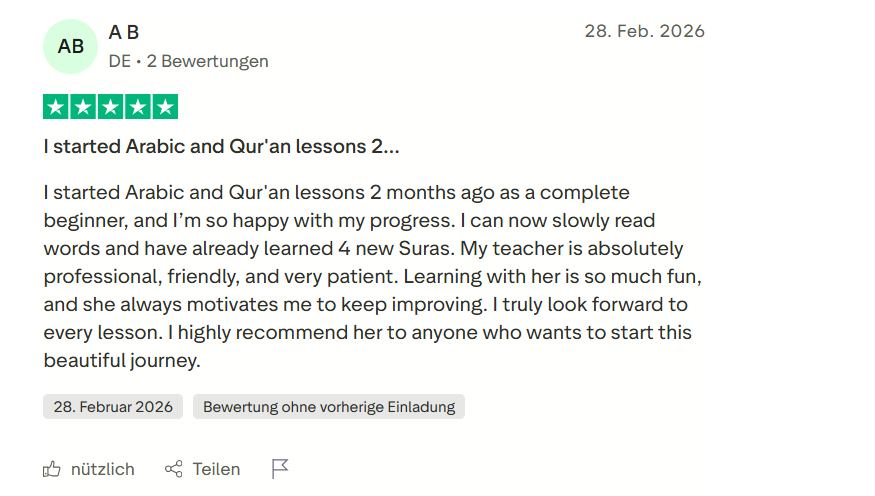
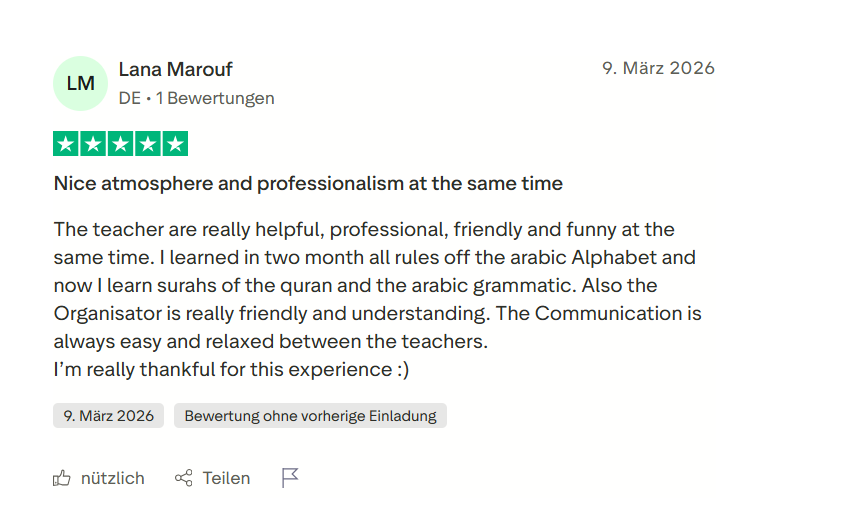
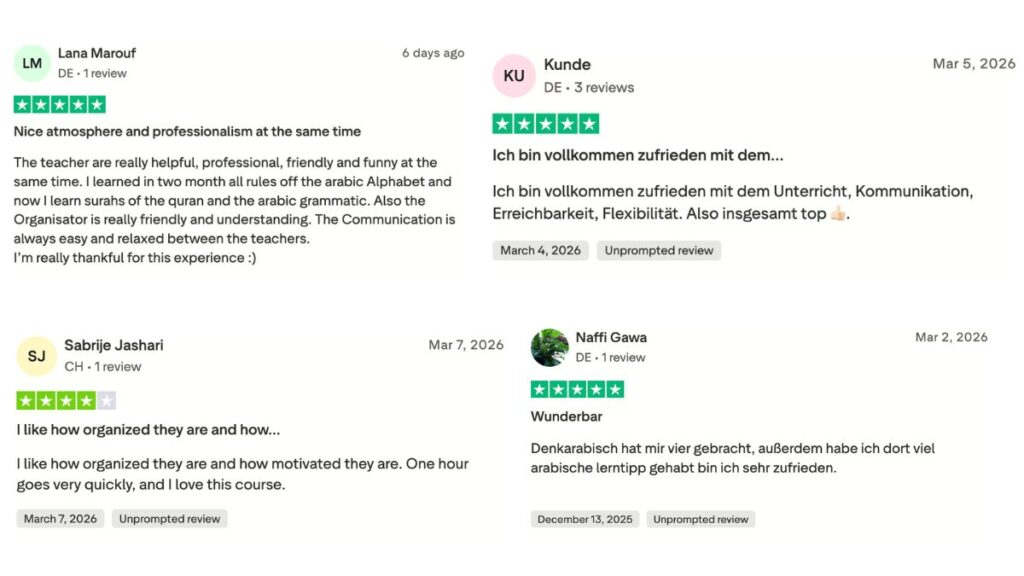
What Our Students Say About Denk Arabisch Academy
See what our students say about learning at Denk Arabisch Academy on Trustpilot. Read their experiences and check out more reviews to discover how our courses help improve Arabic.
Start Your Child’s Quran Journey with Denk Arabisch
Helping your child learn the Quran is one of the most valuable investments you can make for their future and Akhirah.
At Denk Arabisch, we focus on:
- Quran reading for beginners
- Child-friendly Tajweed
- Structured Hifz programs
- Interactive learning methods
- Building love for the Quran
Our Courses For Kids
- Spark a lifelong love for the language with our interactive Arabic Classes for Kids that make learning feel like play.
- Help your little ones build a strong foundation in recitation and understanding with our specialized Quran Course for Kids.
- Ensure your children master the art of correct pronunciation from the start in our Tajweed Course for Kids.
Our lessons are designed specifically for children ages 5 and up so they can learn with confidence, comfort, and consistency.
👉 Enroll with Denk Arabisch today and help your child build a lifelong connection with the Quran.
Learn the Quran with Denk Arabisch Academy
Master reading and understanding the Quran through structured and supportive learning
Try a Free TrialConclusion
Learning The Quran For Children Ages 5 And Up is about much more than memorization. It is about building faith, character, discipline, and a lifelong relationship with the words of Allah ﷻ.
When children begin learning early in a supportive and encouraging environment, the Quran becomes a source of comfort, guidance, and strength throughout their lives.
With patience, consistency, and the right guidance, every child can grow to love and understand the Quran deeply.
FAQs
1. What is the best age for children to start learning the Quran?
Most children can begin around ages 4–5 because they learn sounds, memorization, and language patterns quickly at this stage.
2. How long should Quran lessons be for young children?
Short lessons of 10–20 minutes daily are usually most effective for maintaining focus and consistency.
3. Can children memorize the Quran at a young age?
Yes. Young children often memorize faster than adults when learning is consistent and structured.
4. How can parents make Quran learning easier?
Parents can help by:
Creating a routine
Encouraging daily practice
Using audio repetition
Celebrating progress
Providing positive support
5. Should children learn Tajweed early?
Yes. Introducing Tajweed early helps children develop correct pronunciation habits from the beginning.