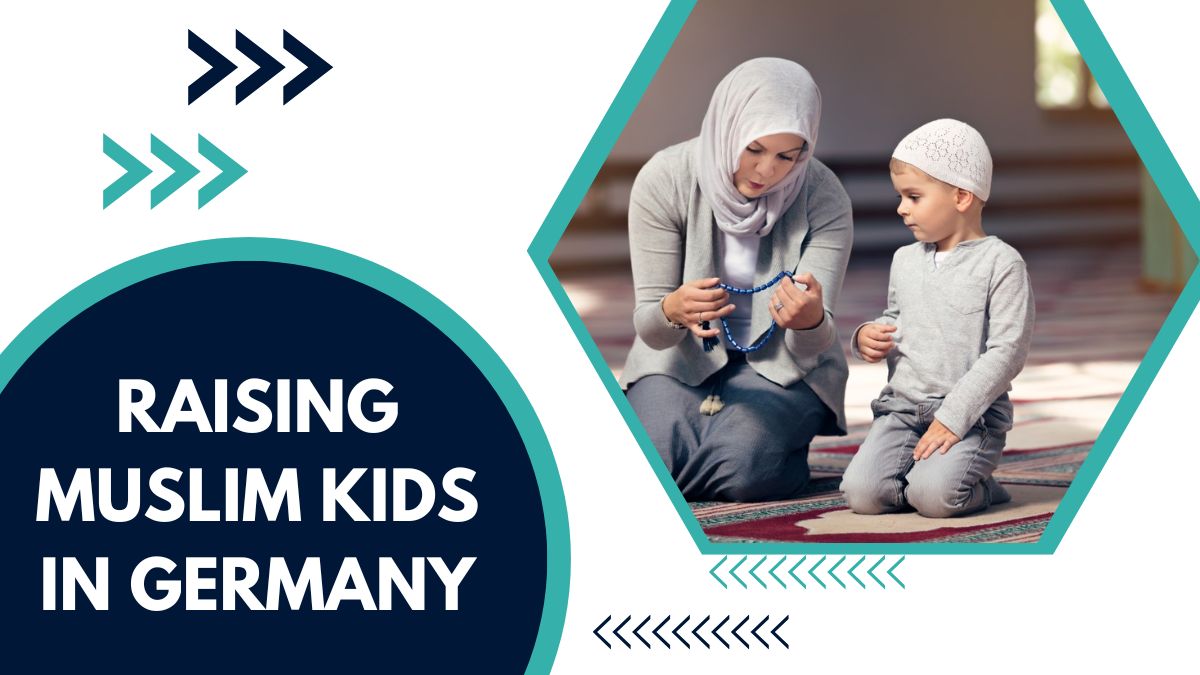
Raising Muslim children in Germany is both a beautiful opportunity and a unique responsibility. Parents often aim to preserve Islamic values while helping their kids grow confidently within a modern European society. Balancing identity, faith, education, and integration can feel challenging—but with the right approach, it becomes a rewarding journey that shapes strong, respectful, and spiritually grounded children.
This guide explores practical strategies, cultural considerations, and everyday parenting tips for raising Muslim kids in Germany while ensuring they feel proud of both their faith and their environment.
Table of Contents
Understanding the Environment Muslim Families Live in Germany
Germany is home to a large and diverse Muslim community. Children growing up here are often exposed to multiple cultures, languages, and belief systems from a very young age. In schools, playgrounds, and social activities, they interact daily with children from different religious and cultural backgrounds. This diversity can be a wonderful opportunity for personal growth, but it also means parents must play an active role in shaping their children’s understanding of identity, faith, and belonging.
Muslim kids in Germany typically navigate:
- German school systems with secular education
- Multicultural friendships and social circles
- Exposure to different lifestyles and beliefs
- Limited Islamic education in public schools (in many regions)
- Social pressure to fit into mainstream culture
Because of this environment, parents play a central role in building a strong Islamic foundation at home. Children need guidance that helps them understand who they are while also teaching them how to positively interact with the society around them.
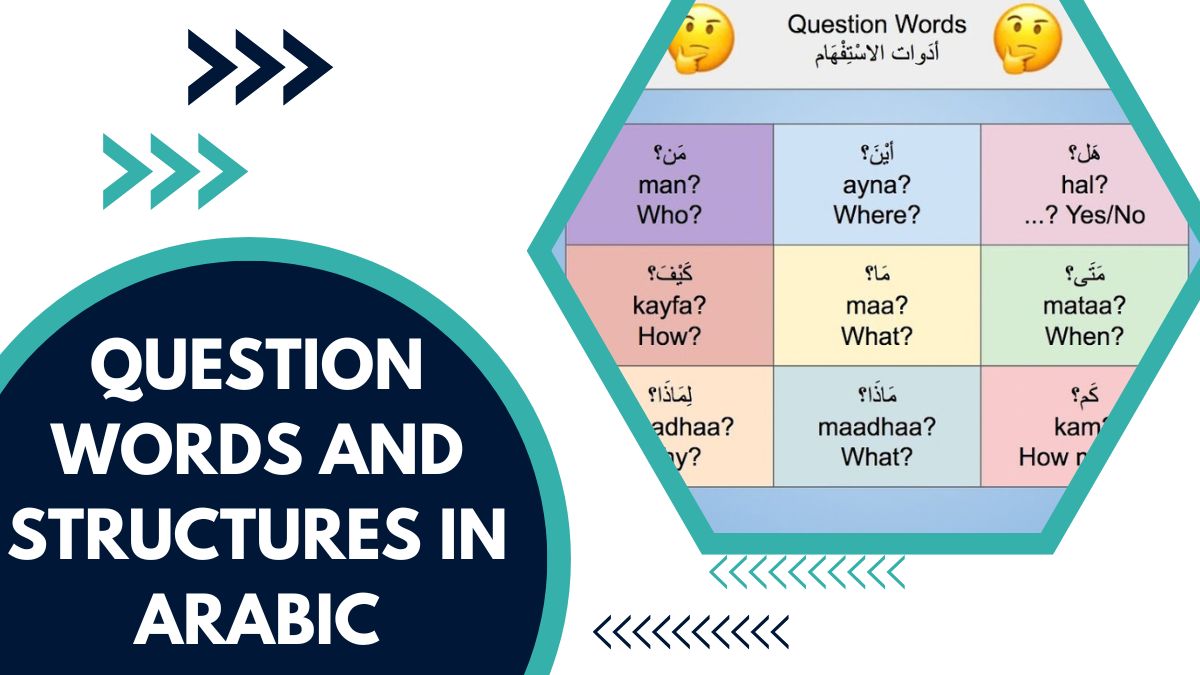
While German schools provide excellent secular education, they often lack the specialized spiritual and linguistic framework your child needs. This is where Denk Arabisch steps in, acting as a bridge between their European daily life and their Islamic roots through specialized Arabic Lessons for German-Speaking Children.
Building a Strong Islamic Identity from an Early Age
The earlier a child connects with Islam, the more natural it becomes in their daily life. Identity is not built in a single moment—it develops slowly through repetition, habits, emotional connection, and the environment children grow up in. When Islamic values are introduced gently and consistently, children are more likely to develop a lasting attachment to their faith.
1. Start with love, not pressure
Children learn faith best when Islam is associated with love, safety, kindness, and warmth. If religion is introduced only through strict discipline or constant correction, children may emotionally disconnect from it over time. Instead, parents should focus on creating positive emotional experiences around Islam.
Helpful ways to do this include:
- Telling stories of the Prophets in an engaging and age-appropriate way
- Showing kindness, patience, and mercy in daily parenting
- Making dua together as a family during both happy and difficult moments
- Celebrating Islamic occasions like Ramadan and Eid with excitement and joy
- Praising children when they show good manners or Islamic behavior
A child who emotionally loves Islam is naturally more motivated to practice it sincerely as they grow older.
2. Make Islamic practices part of daily life
Consistency matters more than intensity. Small daily habits often have a stronger long-term impact than occasional large efforts. When children repeatedly see Islamic values practiced naturally at home, those values become part of their identity.
Simple but powerful habits include:
- Saying “Bismillah” before eating and “Alhamdulillah” afterward
- Praying together as a family whenever possible
- Listening to short surahs or Quran recitations daily
- Using Islamic greetings like “Assalamu Alaikum” at home
- Teaching children simple duas for sleeping, eating, and traveling
These routines create familiarity and comfort with Islamic practices, helping children feel connected to their religion in a natural and stress-free way.
Teaching Islam in a German Context
Children in Germany attend schools where they are exposed to different values, lifestyles, and worldviews every day. Instead of isolating them from this reality, it is more effective to teach them how to understand and respond to it confidently and respectfully.
1. Encourage critical thinking
Teach children that Islam encourages reflection, learning, and understanding. Children are naturally curious, and they should feel comfortable asking questions about religion, society, and the world around them.
When they encounter questions like:
- “Why do Muslims pray?”
- “Why do Muslim women wear hijab?”
- “Why can’t Muslims eat certain foods?”
parents should answer calmly and thoughtfully rather than defensively. This approach helps children build intellectual confidence in their faith instead of practicing Islam only through imitation.
Encouraging thoughtful conversations also helps children become more emotionally secure when discussing their beliefs with classmates and teachers.
2. Prepare them for diversity
Living in Germany means children will constantly interact with people from different cultural and religious backgrounds. Parents should help children understand that respecting others is fully compatible with being a strong Muslim.
Children should learn:
- Respecting other religions and beliefs
- Being confident in their identity without feeling superior or inferior
- Handling curiosity or misunderstandings from classmates calmly
- Communicating Islamic values politely and respectfully
- Building friendships based on kindness and character
This balanced mindset creates emotional resilience, social confidence, and maturity.
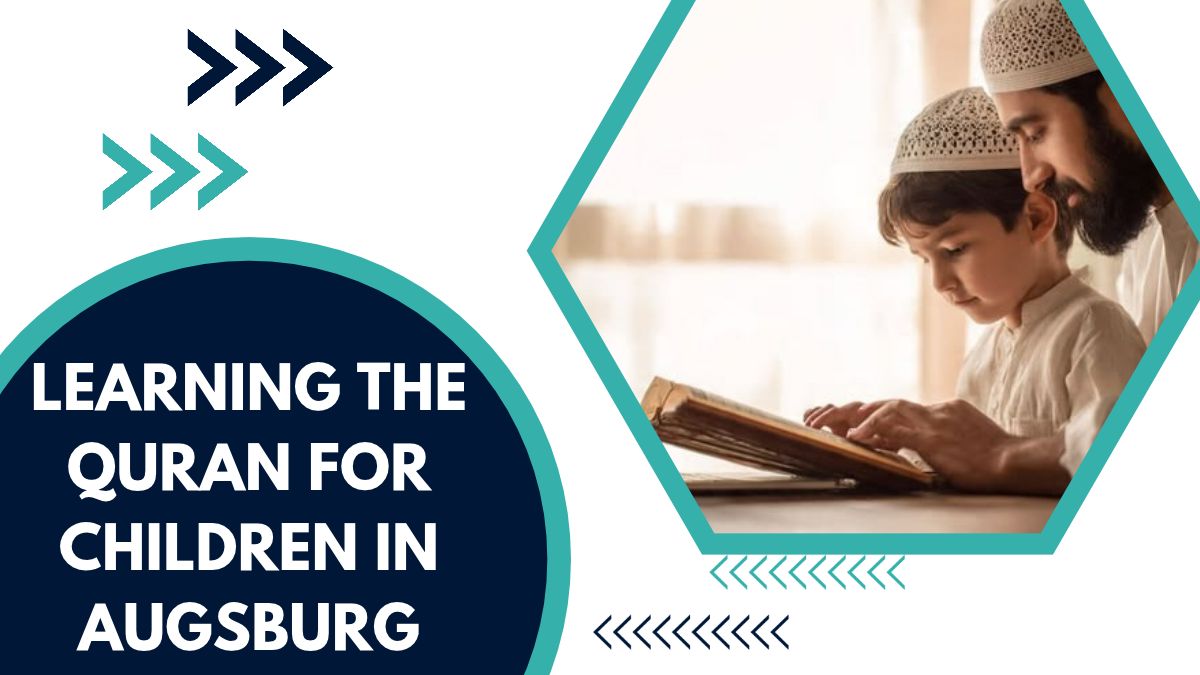
A confident child is one who understands the language of their faith. By enrolling in the Quran Course For Kids at Denk Arabisch, children gain the tools to understand the Quran directly, giving them the intellectual foundation to thrive in a multicultural society.
Language and Quran Learning at Home
Many Muslim families in Germany speak both German and their native language at home. However, Arabic remains essential because it connects children directly to the Quran and Islamic understanding.
1. Make Quran learning engaging
Instead of forcing memorization in a stressful way, parents can make Quran learning enjoyable and interactive. Children absorb information more effectively when learning feels positive and motivating.
Useful strategies include:
- Short daily sessions (10–20 minutes) instead of long exhausting lessons
- Playing Quran recitations softly in the background at home or in the car
- Learning through repetition, rhythm, and visual memory
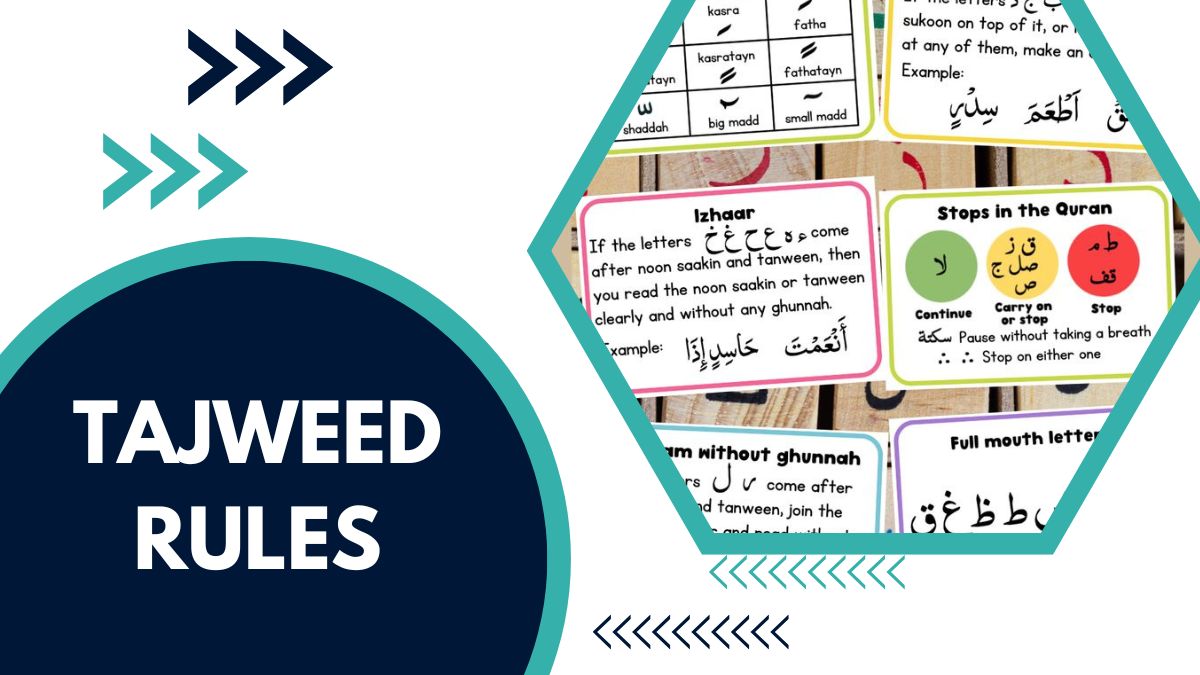
- Using games, flashcards, and quizzes for Tajweed practice
- Rewarding consistency and effort rather than perfection
Children learn faster and stay motivated longer when Quran learning feels encouraging rather than pressured.
2. Balance languages wisely
A multilingual environment can become a huge advantage when managed properly. Children growing up with multiple languages often develop stronger communication skills and broader cultural understanding.
A healthy language foundation may include:
- German for school, friendships, and social integration
- The family’s native language (Arabic, Turkish, Urdu, etc.) for communication with relatives and cultural identity
- Basic Arabic for Quran reading and Islamic understanding
Parents do not need children to master everything immediately. Gradual and consistent exposure is usually more effective than overwhelming expectations.
Choosing Schools and Education in Germany
Germany offers different schooling options, and parents should choose based on both academic quality and compatibility with family values.
1. Public schools
Most Muslim children in Germany attend public schools. These schools often provide:
- A strong academic system
- Diverse social experiences
- Opportunities for language development
- Better integration into German society
However, because public schools are generally secular, parents often need to provide Islamic education separately at home or through community programs.
Open communication with teachers is also important. Parents who stay involved in their children’s education are better able to support both academic success and emotional well-being.
2. Islamic schools
Some German cities offer Islamic private schools that combine religious education with standard academic curriculum. These schools may help children:
- Strengthen their Islamic identity
- Learn Arabic and Quran more consistently
- Feel more comfortable practicing Islam openly
- Build friendships with Muslim peers
However, Islamic schools may have limited availability, waiting lists, or higher tuition costs depending on the region.
3. Supplementary Islamic education
Many Muslim families choose supplementary Islamic education through:
- Weekend schools
- Mosque classes
- Online Quran programs
- Islamic study circles for children
These programs can provide:
- Quran reading and memorization
- Islamic studies and prophetic stories
- Arabic basics
- Moral and character development
- A sense of Muslim community and belonging
Consistency is key for long-term learning. Even small but regular lessons can create a strong spiritual and educational foundation over time.
Study Islamic knowledge with Denk Arabisch Academy
Deepen your understanding of Islam through authentic and structured learning
Try a Free TrialStrengthening Faith at Home
The home environment is the most influential factor in shaping a child’s Islamic identity. Even if children spend many hours at school or with friends, the values practiced inside the home leave the deepest and longest-lasting impact.
A peaceful Islamic atmosphere helps children feel emotionally connected to their faith and teaches them that Islam is not only something practiced occasionally, but a natural part of everyday life.
1. Be a role model
Children learn far more from what parents do than from what they say. Parents who consistently demonstrate Islamic manners and values teach powerful lessons without even realizing it.
When children regularly witness honesty, patience, gratitude, and kindness, these qualities slowly become part of their own character.
Important examples include:
- Praying on time consistently
- Speaking respectfully during disagreements
- Showing patience during stressful situations
- Treating others with kindness and fairness
- Demonstrating gratitude to Allah in daily life
Children observe everything carefully. A parent who calmly practices Islam with sincerity often influences their child more effectively than long lectures or constant reminders.
Read also: Five Pillars Of Islam For Kids
2. Create an Islamic atmosphere
Simple changes inside the home can make a major difference in how children emotionally connect with Islam. An Islamic atmosphere does not need to feel strict or overwhelming—it should feel warm, comforting, and spiritually uplifting.
Helpful ideas include:
- Playing Quran recitation softly around the home
- Displaying Islamic reminders, duas, or Islamic artwork
- Celebrating Ramadan and Eid with excitement and preparation
- Reading Islamic stories together before bedtime
- Encouraging family discussions about Islamic values and good manners
- Creating special family moments around prayer and worship
These small but meaningful habits help children associate Islam with peace, happiness, and family connection.
Go completely beyond rote memorization and give your children a vibrant, practical Islamic Studies Course at Denk Arabisch that helps them truly understand and live their faith every day.
Navigating Social Challenges
Muslim children in Germany may sometimes face questions, stereotypes, or misunderstandings from classmates and society. Preparing children emotionally and mentally for these situations is extremely important.
Children who feel secure in their identity are more likely to respond calmly and confidently instead of feeling embarrassed or isolated.
1. Teach confidence, not defensiveness
Children should feel comfortable explaining their beliefs without anger, fear, or insecurity. Confidence helps them interact positively with others while remaining proud of their Islamic identity.
Teach children simple and respectful responses such as:
- “This is part of my religion.”
- “I respect your beliefs, and I follow mine.”
- “I’m proud of who I am.”
- “Islam teaches me kindness and respect.”
When children feel confident in their beliefs, they are less likely to feel pressured to hide their identity or imitate unhealthy behaviors just to fit in.
Confidence also reduces anxiety in social situations and encourages mutual respect between children from different backgrounds.
2. Address bullying or misunderstanding early
If children experience teasing, exclusion, or uncomfortable questions, parents should respond calmly and proactively rather than ignoring the situation.
Helpful steps include:
- Listening carefully without dismissing the child’s feelings
- Reassuring them emotionally and validating their experiences
- Communicating respectfully with teachers or school staff when necessary
- Teaching calm responses instead of reacting with anger
- Helping children develop emotional resilience and self-respect
Children who feel emotionally supported at home are usually better equipped to handle difficult social situations with maturity and confidence.
Celebrating Islamic Identity in a Western Environment
One of the most powerful ways to strengthen a Muslim child’s identity in Germany is by making Islamic traditions joyful and meaningful. When children associate Islam with love, celebration, and family connection, they develop a positive emotional relationship with their faith.
Ramadan and Eid
Islamic celebrations should feel exciting and memorable for children. Parents can create strong emotional connections through simple traditions that make Ramadan and Eid feel special every year.
Ideas include:
- Decorating the home with Ramadan lights and banners
- Involving children in fasting gradually according to their age
- Giving small gifts, treats, or rewards during Ramadan and Eid
- Preparing favorite family meals together
- Inviting friends or relatives to celebrate Eid together
- Teaching children about charity and helping those in need during Ramadan
These joyful experiences help children associate Islam with happiness, belonging, and positive family memories rather than only rules and obligations.
Building Community Support
Raising children becomes much easier when Muslim families feel connected to a supportive community. A strong community provides children with friendships, role models, and a sense of belonging that strengthens their confidence and emotional well-being.
1. Connect with local mosques
Mosques can play an important role in a child’s spiritual and social development. Beyond prayer, they often provide educational and community activities that help children feel connected to other Muslims.
Mosques can offer:
- Social support and friendships for children
- Islamic education and Quran classes
- Youth activities and events
- Positive role models within the Muslim community
- A stronger sense of belonging and identity
Even attending occasionally can positively impact a child’s connection to the Muslim community.
2. Build friendships with other Muslim families
Children benefit greatly from spending time with families who share similar values and priorities. These friendships help normalize Islamic practices and reduce feelings of isolation.
Benefits include:
- Shared Islamic values and traditions
- Cultural understanding and familiarity
- Emotional support for both children and parents
- Positive Muslim friendships and role models
- Opportunities for children to practice Islam confidently in social settings
Strong community connections can make the challenges of parenting in a multicultural environment much easier.
Balancing Integration and Faith
A common concern for parents is how to balance being fully German and fully Muslim. In reality, both identities can coexist successfully when children are raised with confidence and balance.
A Muslim child in Germany can:
- Be academically successful
- Respect teachers, classmates, and neighbors
- Participate positively in society
- Contribute to their community
- Maintain strong Islamic morals and values
Integration does not mean losing religious identity. Instead, it means participating positively in society while remaining faithful to Islamic principles.
Children who understand this balance often grow into confident adults who feel comfortable in both their religious and social environments.
Read also: Fun Quran Activities Through Games – Making Learning Joyful And Meaningful
The Role of Parents’ Consistency
Consistency is far more important than perfection. Children do not need flawless parents—they need stable, caring, and consistent guidance. Small daily efforts often create stronger long-term results than occasional intense efforts.
Parents should focus on:
- Maintaining small daily Islamic habits
- Building open communication with children
- Creating emotional safety at home
- Showing patience during mistakes and learning stages
- Encouraging gradual growth instead of demanding perfection
Faith develops step by step over time. Even simple consistent efforts—like daily dua, regular Quran time, or family prayer—can leave a lifelong impact on a child’s heart and identity.
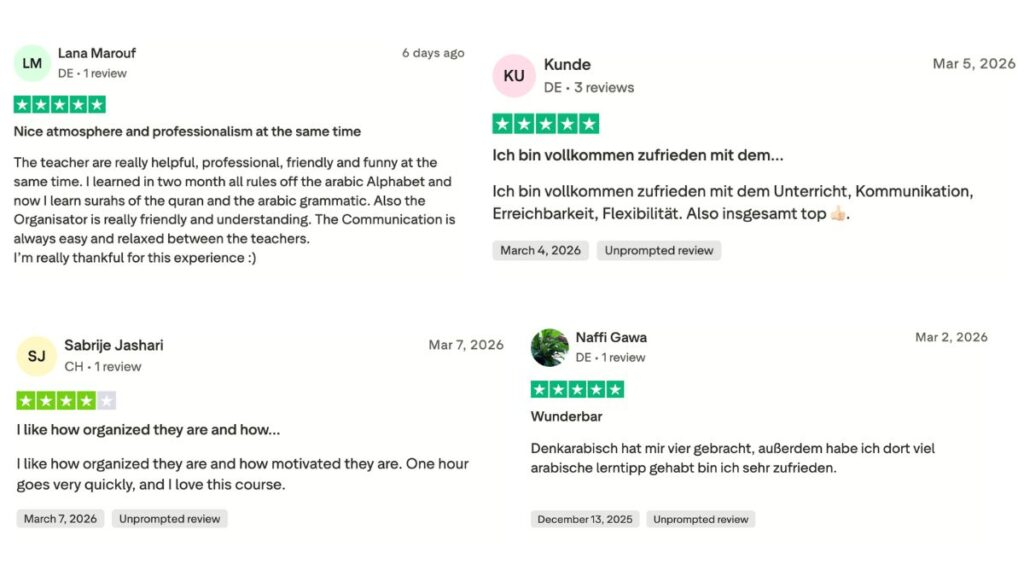
What Our Students Say About Denk Arabisch Academy
See what our students say about learning at Denk Arabisch Academy on Trustpilot. Read their experiences and check out more reviews to discover how our courses help improve Arabic.
Take the Lead in Your Child’s Future Today!
Are you worried about your child losing their linguistic or spiritual connection while growing up in Germany? Don’t leave their Islamic education to chance.
At Denk Arabisch, we provide the most comprehensive online platform specifically designed for the German-Muslim diaspora. We don’t just teach words; we build identities.
Why Choose Denk Arabisch?
- Expert Tutors: Specialized in teaching German speakers.
- Flexible Scheduling: Fits perfectly around German school hours.
- Kid-Friendly Pedagogy: We make learning the “Noble Quran” the highlight of your child’s week.
Our Courses For Kids:
Don’t wait until the gap widens. Give your children the gift of their language and their Deen.
👉 Explore Our Courses & Book Lesson Now!
Secure their identity. Empower their future. Join Denk Arabisch today.
Study Islamic knowledge with Denk Arabisch Academy
Deepen your understanding of Islam through authentic and structured learning
Try a Free TrialConclusion
Raising Muslim kids in Germany is a journey that combines faith, culture, education, and emotional development. With love, consistency, and strong values at home, children can grow into confident Muslims who are proud of their identity and comfortable in their environment.
The goal is not to isolate children from society, but to equip them with the strength to live within it while staying grounded in their faith. When parents create a balanced environment of Islam, education, and emotional support, children thrive both spiritually and socially.
A strong foundation today builds confident Muslim adults tomorrow.
Read also: Islamic Teachings For Kids – Building Strong Faith And Good Character
FAQs
1. At what age should Muslim children start learning about Islam?
Children can start learning about Islam as early as 3–5 years old. At this stage, the focus should be on love, simple stories of the Prophets, basic duas, and gentle exposure to Islamic practices rather than formal lessons or pressure.
2. How can I raise my child to stay connected to Islam in Germany?
Consistency is key. Daily habits such as praying together, saying “Bismillah” before activities, listening to Quran recitation, and sharing Islamic stories help build a strong emotional connection to Islam.
3. Is it difficult for Muslim children to grow up in German schools?
It can be challenging at times due to cultural differences, but it also offers opportunities for growth. With proper guidance at home, children can confidently balance their Islamic identity with school life and social integration.
4. How much Quran or Islamic study should children do daily?
For young children, 10–20 minutes per day is ideal. Short, consistent sessions are more effective than long study periods and help maintain interest and focus.
5. What should I do if my child faces questions or misunderstandings about Islam?
Teach your child to respond calmly and confidently. Simple answers like “This is part of my faith” or “I respect others and follow my religion” help build confidence. Parents should also communicate with teachers if needed.
6. Can Muslim children fully integrate into German society while staying religious?
Yes. Integration and faith are not opposites. Children can succeed in school, build friendships, participate in society, and still remain strong in their Islamic values with proper upbringing.