
What Is The Purpose Of Fasting In Ramadan?
The purpose of fasting in Ramadan goes far beyond simply abstaining from food and drink. It is a profound act of worship designed to anchor Taqwa—conscious awareness of Allah—deep within the believer’s heart and to purify the entire being: body, mind, and soul.
As many Muslims living in Western societies have already recognized, fasting is a deliberate and mindful religious practice. Denk Arabisch highlights these dimensions and presents Ramadan as an annual “three-dimensional exercise” that shapes Muslims physically, mentally, and spiritually.
Fasting during the month of Ramadan is one of the Five Pillars of Islam. Its essence is not physical deprivation but spiritual orientation. In Islamic jurisprudence, what is the purpose of fasting in Ramadan is understood as cultivating inner awareness of Allah.
Inhaltsverzeichnis
1. Taqwa: The Core Purpose of Ramadan Fasting
Der gesegnete Monat Ramadan ist weit mehr als eine Zeit der körperlichen Enthaltsamkeit; er ist eine göttliche Schule zur Läuterung der Seele. Die ultimative Weisheit hinter dieser verpflichtenden Anbetung offenbart der allmächtige Allah im folgenden Vers:
يَا أَيُّهَا الَّذِينَ آمَنُوا كُتِبَ عَلَيْكُمُ الصِّيَامُ كَمَا كُتِبَ عَلَى الَّذِينَ مِن قَبْلِكُمْ لَعَلَّكُمْ تَتَّقُونَ
“O you who believe, fasting has been prescribed for you as it was prescribed for those before you, so that you may become mindful of Allah.” (Al-Baqarah 2:183)
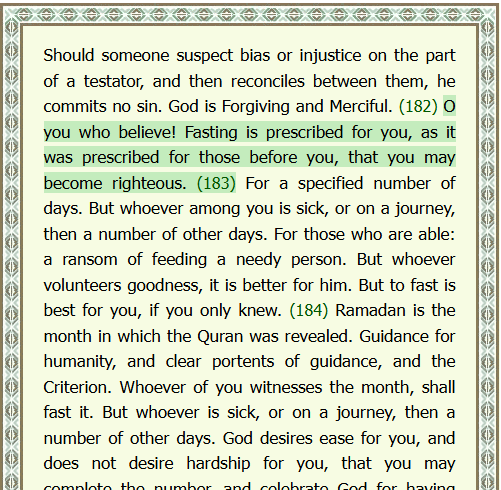
This verse clearly shows that the primary goal is Taqwa—God-consciousness. Hunger is not the focus; mindfulness of the Creator is.
Taqwa does not mean fear, but a conscious inner vigilance. The fasting person becomes more attentive to words, actions, and thoughts. Even small moral decisions gain weight. This mindset extends beyond Ramadan and gradually shapes character for the long term.
Read Also: Benefits and Importance of Fasting In Ramadan In Islam
2. Enjoy Self Discipline And Character Building
What is the purpose of fasting in Ramadan becomes especially visible in the training of self-control. Abstaining from what is normally permissible strengthens the ability to stay away from what is forbidden.

A. Controlling Desires And Habits
Whoever voluntarily refrains from food, drink, and intimacy during the day develops strong mental resilience. This discipline influences other areas of life such as media consumption, speech, and time management.
B. Patience As A Religious Competence
Patience (Sabr) holds a high rank in Islamic teaching. Hunger and thirst are not punishments but exercises in steadfastness. In modern professional environments, patience becomes a practical everyday skill.
C. From External To Internal Fasting
External fasting concerns the body, while internal fasting concerns the tongue, the eyes, and the heart. Classical scholars emphasized that lying, insults, and envy diminish the spiritual reward. The inner fast therefore represents the true maturity of the act of worship.
3. Building The Social And Community Bonds
Ramadan has a powerful communal effect. What is the purpose of fasting in Ramadan is not limited to individuality but encourages solidarity and compassion.
A. Compassion For Those In Need
Physical hunger reminds people of social realities. Wealthy individuals experience a state that is otherwise unfamiliar, increasing their willingness to donate and support charitable projects.
B. Community Through Shared Iftar
Shared Iftar gatherings strengthen the sense of belonging. In many Western cities, intercultural encounters arise where Muslims explain their faith and help reduce prejudice.
C. Zakat And Voluntary Charity
Ramadan is traditionally a time of increased generosity. The obligatory almsgiving Zakat and voluntary donations receive renewed attention, linking spiritual intention with social responsibility.
Study Islamic knowledge with Denk Arabisch Academy
Deepen your understanding of Islam through authentic and structured learning
Join nowRead Also: Voluntary Fasting Days in Islam – The Sunnah Fasting Days
4. Start A Healthy Routine And Diet
Many people ask whether what is the purpose of fasting in Ramadan is primarily health-related. Classical Islamic scholarship views health benefits as a side effect, not the main objective.
A. Physical Relief
Temporary abstinence can give the digestive system rest. Medical studies often mention possible positive effects on metabolism and eating habits, yet these remain secondary to the spiritual intention.
B. Mindful Nutrition
Fasting teaches moderation. Islam discourages excess even after sunset. Balanced nutrition reflects the religious ideal of moderation and balance.
Important Note: Health benefits are welcome, but they do not define the religious purpose of fasting.
5. The Four Sunni Schools of Law and The Purpose of Fasting in Ramadan
The four Sunni schools of law agree on the core objective but differ in interpretative details.
A. Hanafi Perspective
The Hanafi school emphasizes intention (Niyyah) as a legal prerequisite. Without conscious inner intention, the act loses its religious value.
B. Maliki Focus On Moral Purity
Maliki scholars strongly highlighted moral integrity. Avoiding negative character traits is considered an essential component of fasting.
C. Shafi‘i Spiritual Precision
The Shafi‘i tradition carefully distinguishes between legal validity and spiritual reward. An action may be legally valid yet spiritually weakened.
D. Hanbali Emphasis On Sincerity
Hanbali scholars stressed sincerity. Fasting should remain free from social showmanship or public display.
At the end of this spiritual reflection, it becomes clear that structured learning can be highly beneficial. Many Muslims turn to organized Arabic and Quran courses such as those offered by Denk Arabisch to systematically deepen recitation and understanding.
Read Also: Rules for Fasting During Ramadan
The Difference Between the Purpose and the Benefits of Fasting
Before examining the outcomes people often associate with fasting, it is essential to clearly distinguish between its divinely intended purpose and the secondary benefits that may result from practicing it.
| Aspect | The Purpose of Fasting in Ramadan | The Benefits of Fasting |
| Definition | The primary spiritual objective intended by Islamic law | Positive outcomes that result from fasting |
| Core Goal | Developing Taqwa (God-consciousness) | Physical, mental, and social improvements |
| Source | Explicitly stated in the Qur’an (Al-Baqarah 2:183) | Observed through experience and research |
| Spiritual Dimension | Strengthening awareness of Allah and moral accountability | Increased mindfulness and emotional balance |
| Physical Dimension | Not the main objective | Possible metabolic reset and digestive rest |
| Moral Impact | Training self-control, sincerity, and patience | Improved discipline and healthier habits |
| Social Effect | Building empathy and responsibility toward others | Stronger community bonds and generosity |
| Religious Status | Essential and intentional | Secondary and not required for validity |
| If Absent | The act loses its true meaning | The fast is still valid religiously |
Read Also: Learning the Quran: A Practical 7-Step Guide for Beginners in Germany
Begin Your Journey With Denk Arabisch

Anyone who wishes to better understand the Quran, improve pronunciation, or systematically expand religious knowledge benefits from qualified guidance. Denk Arabisch offers structured online programs led by native-speaking instructors who understand the linguistic challenges of English-speaking learners and provide personalized feedback.
Courses Overview
- Intensive Tajweed Course
- Quran Memorization Programs
- Arabic Language Courses
- Courses For Muslim Children
Advantages
- Flexible learning schedules without commuting
- Individual learning plans
- Cultural understanding for Western learners
Start today with a free trial lesson and begin your structured learning journey with Denk Arabisch and our qualified teachers.
Study Islamic knowledge with Denk Arabisch Academy
Deepen your understanding of Islam through authentic and structured learning
Join nowFAQ
Why Do Muslims Fast In Ramadan?
Muslims fast to develop God-consciousness, strengthen self-discipline, and seek spiritual closeness to Allah. Physical abstinence is a means, not the ultimate goal.
What Is The Main Purpose Of Fasting In Islam?
The main purpose is Taqwa—a conscious inner orientation toward moral responsibility and spiritual purity.
Is The Purpose Of Fasting In Ramadan Only Hunger?
No. Hunger is a tool for character development. The true purpose is spiritual growth.
Does Fasting Help You Become Closer To Allah?
Yes. Through prayer, Quran recitation, and self-reflection, religious connection deepens significantly.
What Does Taqwa Mean?
Taqwa refers to inner vigilance toward Allah, moral awareness, and responsible conduct.
Conclusion
What is the purpose of fasting in Ramadan is multifaceted: spiritual purification, moral discipline, and social responsibility. Fasting is not merely a tradition but a structured path to personal development. Especially for Muslims living in Western societies, it becomes a conscious religious practice that harmonizes modern daily life with timeless faith values.
What does fasting mean to you personally, and how does it influence your everyday life?