You want to learn Arabic Letters, but you’re not sure where to start. Maybe you’ve already learned a few letters, yet when it’s time to actually speak, nothing comes out. That’s completely normal. Many learners get stuck in theory because they lack a clear, practical roadmap.
The truth is, the path to speaking isn’t complicated. You don’t need years of grammar—you need a system that takes you from the first letters straight into active use. That’s exactly what I’ll show you here: 15 practical steps that move you from the Arabic alphabet and Arabic letters to your very first confident sentence. You’ll see that with the right method, you’ll speak much sooner than you think.

Table of Contents
1. How to Learn the Arabic Letters?
Many beginners try to master all 28 letters at once. That slows you down. For speaking, it’s enough to recognize the letters and know their basic sounds.
Practical steps:
- First focus on the most frequent letters: ا (Alif), ب (Bā), م (Mīm), ن (Nūn), ر (Rā), س (Sīn), ي (Yā), و (Wāw).
- Learn the isolated form—the other forms will come with time.
- Listen to the pronunciation several times and repeat out loud.
Example:
- Letter ب (Bā) – pronounce it like “b”.
- Word: باب (Bāb) – door.
- Meaning: door.
💡 Tip: Don’t worry about the writing direction at first. For speaking, being able to recognize the letters is enough.

2. How to Connect Letters into Your First Words?
Most Arabic letters connect to each other. You don’t need to memorize every joining form; you just need to understand the idea.
Practical steps:
- Take two letters: ب + ا = با (ba).
- Pronounce it as a syllable: “ba”.
- Add a third letter: ب + ا + ب = باب (bāb).
Example:
- ب + ا + ب = باب
- Pronunciation: Bāb
- Meaning: door
⚠️ Avoid this mistake: Don’t try to perfect the connection of all letters from the start. Words like “باب” are perfect for practice because they repeat the same letter.

3. How to Pronounce the “Difficult” Sounds (ع، ح، غ)?
Sounds like ع (ʿAyn) and ح (Ḥā) have no direct equivalent in English. But they aren’t magic—you can learn them with simple exercises.
Practical steps:
- For ح (Ḥā): Imagine you’re fogging up a pair of glasses. That’s the pure breath sound.
- For ع (ʿAyn): Make a light constriction in your throat, like you’re about to clear your throat gently. Practice with the word علي (ʿAlī).
- Say these sounds slowly at first, then in short words.
Example:
- حب (Ḥubb) – love
- Pronunciation: Ḥubb
- Meaning: love
💡 Tip: Record yourself with your phone and compare your pronunciation to a recording of a native speaker.
Read also: How many letter in arabic
4. How to Learn Short Vowels?
Short vowels in Arabic (fatḥa, kasra, ḍamma) are often not written, but they are essential for pronunciation. To start, it’s enough to know the three basic vowels.
Practical steps:
- Fatḥa (ـَ) = short “a”: بَ (ba)
- Kasra (ـِ) = short “i”: بِ (bi)
- Ḍamma (ـُ) = short “u”: بُ (bu)
- Practice them with one letter, then with simple words.
Example:
- بَاب (Bāb) – door (with a long alif, but the fatḥa guides the start)
⚠️ Avoid this mistake: English speakers often drag these vowels too long. Keep them short and precise.
Read also: Arabic Script
5. How to Build Your First Active Vocabulary?
With the first letters, you can already form useful words. Choose words that fit your daily life.
Practical steps:
- Pick 10 words related to your life (family, food, work).
- Write them on flashcards: Arabic – pronunciation – meaning.
- Say them out loud every morning.
Examples:
| Arabic | Pronunciation | Meaning |
| أم | Umm | mother |
| أب | Ab | father |
| اسم | Ism | name |
| بيت | Bayt | house |
| ماء | Mā’ | water |
| شاي | Shāy | tea |
| عمل | ʿAmal | work |
| كتاب | Kitāb | book |
| مسجد | Masjid | mosque |
| سلام | Salām | peace |
💡 Tip: Use the words actively. Say “Salām” when you meet someone. That’s how they stick.
6. How to Form Your First Simple Sentence (Subject + Adjective)?
You don’t need advanced grammar to form a sentence. In Arabic, a nominal sentence often omits “is”.
Practical steps:
- Subject + adjective = sentence.
- Example: البيت كبير (al-baytu kabīr) – The house is big.
- Practice with the 10 words from step 5.
Example:
- Arabic: الكتاب جديد (al-kitābu jadīd)
- Pronunciation: al-kitābu jadīd
- Meaning: The book is new.
⚠️ Avoid this mistake: English speakers tend to add “is”. In a simple nominal sentence, leave it out.
7. How to Ask Questions?
With ما (mā – what), من (man – who), and هل (hal – question particle), you can already ask simple questions.
Practical steps:
- هل + sentence = question: هل البيت كبير؟ (Hal al-baytu kabīr?) – Is the house big?
- ما هذا؟ (Mā hādhā?) – What is this?
- من أنت؟ (Man anta?) – Who are you? (to a man)
Example:
- Arabic: هل أنت طالب؟ (Hal anta tālib?)
- Pronunciation: Hal anta tālib?
- Meaning: Are you a student?
💡 Tip: Practice the questions with a partner or ask yourself in the mirror.
Learn Arabic with Denk Arabisch Academy
Speak and understand Arabic through a clear and effective learning system
Try a Free Trial8. How to Respond?
To keep a conversation going, memorize a few ready answers. They are short and easy.
Practical steps:
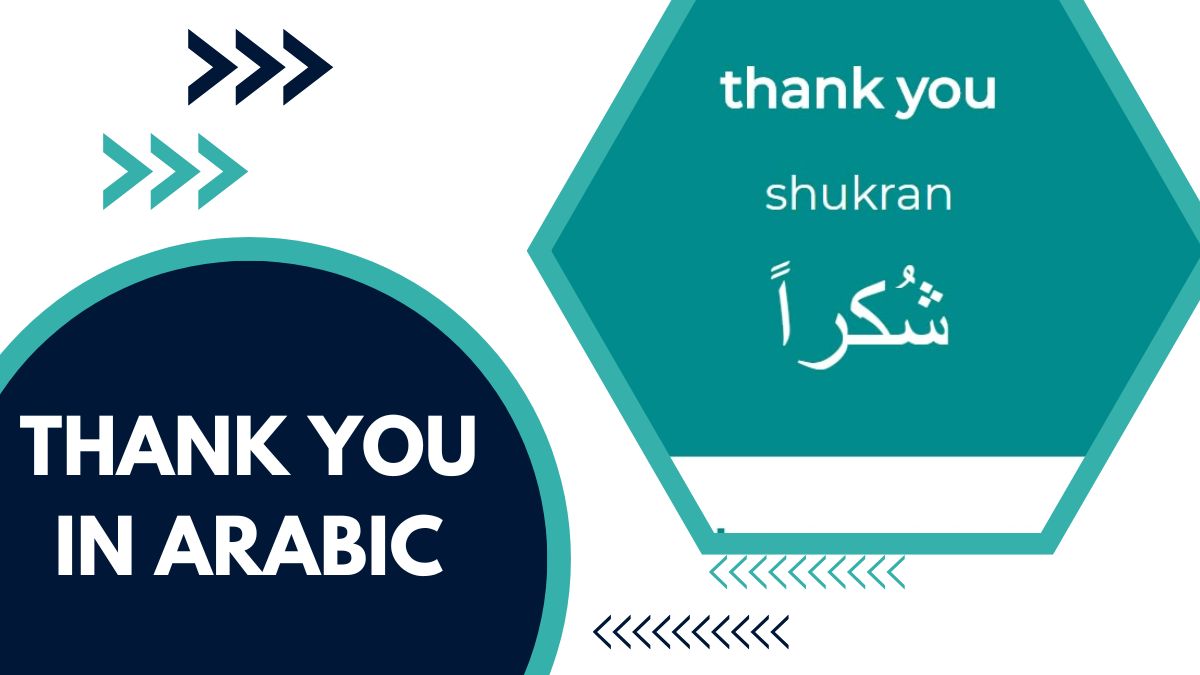
- Learn: نعم (naʿam – yes), لا (lā – no), شكراً (shukran – thank you), عفواً (ʿafwan – you’re welcome).
- Use them at every opportunity.
Example:
- Question: هل أنت طالب؟ (Are you a student?)
- Answer: نعم، أنا طالب. (Yes, I am a student.)
9. How to Use the Verbs “to Be” and “to Have”?
The verbs “to be” (كان) and “to have” (عند) are among the most used. At the beginning, it’s enough to know the forms for “I” and “you”.
Practical steps:
- أنا عندي (anā ʿindī) – I have
- أنت عندك (anta ʿindaka) – you have (to a man)
- أنا (anā) – I am
Example:
- Arabic: أنا عندي كتاب (anā ʿindī kitāb)
- Meaning: I have a book.
10. How to Use Numbers 1–10 ?
Numbers are useful for prices, time, and quantities. Learn them in small groups.
Practical steps:
- 1–5: واحد (wāḥid), اثنان (ithnān), ثلاثة (thalātha), أربعة (arbaʿa), خمسة (khamsa).
- Say them out loud while shopping or counting.
- Combine with a noun: كتاب واحد (kitāb wāḥid) – one book.
Example:
- Arabic: ثلاثة كتب (thalāthat kutub)
- Meaning: Three books
💡 Tip: In Arabic, numbers change based on the gender of the noun. At first, stick to the masculine form.
11. How to Learn Small Talk Phrases?
With just a few phrases, you can start your first conversations. Focus on greetings and introductions.
Practical steps:
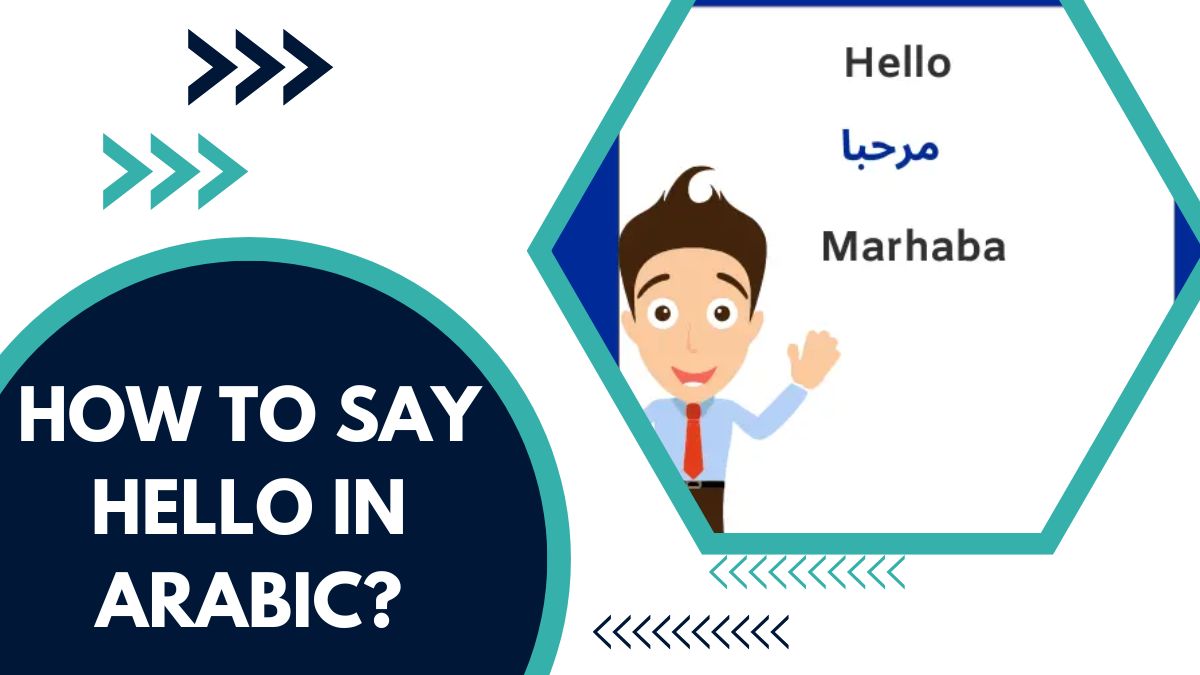
- السلام عليكم (as-salāmu ʿalaykum) – Peace be upon you
- وعليكم السلام (wa ʿalaykumu s-salām) – reply
- اسمي… (ismī…) – My name is…
- كيف حالك؟ (kayfa ḥāluka?) – How are you? (to a man)
Example:
- First person: السلام عليكم، اسمي أحمد.
- Second person: وعليكم السلام، أنا ماريا.
12. How to Train Pronunciation with a Simple Technique?
Most pronunciation mistakes come from not listening carefully. An effective method is “shadowing”: repeating immediately after a speaker.
Practical steps:
- Choose a short Arabic sentence (e.g., from a learning video).
- Play it and repeat at the same time, sound by sound.
- Repeat 5–10 times until you match the rhythm.
Example:
- Sentence: كيف حالك؟ (kayfa ḥāluka?)
- Say it with the exact same intonation.
⚠️ Avoid this mistake: Don’t whisper! Speak clearly so your mouth muscles get used to the new sounds.
13. How to Use Your Daily Routine for Active Speaking?
Theory alone won’t make you a speaker. You need to bring the language into your daily routine—even if you’re not in an Arabic-speaking environment.
Practical steps:
- Label objects in your home with Arabic words.
- While cooking, say the ingredients in Arabic.
- Ask yourself questions: ما هذا؟ (What is this?) and answer.
Example:
- Stick a note with باب on your door. Every time you see it, say the word.
14. How to Stay Motivated?
Without goals, you lose focus. Set small, achievable milestones.
Practical steps:
- Week 1: Recognize the letters + say 10 words.
- Week 2: Form simple sentences like “The house is big.”
- Week 3: Memorize a short self-introduction (name, country, job).
- Week 4: Hold a short conversation (3–4 sentences) with a partner.
💡 Tip: Celebrate every success—even your first complete sentence!
15. How to Avoid the Common Trap: “I’ll Speak When I’m Perfect”?
The biggest mistake is waiting for perfection before you speak. You will never be perfect before you start. Language is learned by speaking, not by theory.
Practical steps:
- Speak from day one, even with mistakes.
- Accept that mistakes are part of the journey.
- Actively look for opportunities to speak—in courses, with a language partner, or through Denk Arabisch.
Why Structured Learning with Denk Arabisch Gets You There Faster?
Many try to learn Arabic with apps or YouTube videos. It’s like assembling a puzzle without the picture—you collect many pieces, but the overall image stays blurry.
With Denk Arabisch, you take a different path:
- You speak from day one: Our native Arabic-speaking teachers guide you into active use from the start. You don’t learn about the language; you learn in the language.
- A clear roadmap: You get a structured pathway from the Arabic alphabet and Arabic letters all the way to fluent conversation—no wandering.
- Individual attention: Every course is tailored to your level and goals (work, religion, travel).
| ❌ Random learning without a plan | ✅ Denk Arabisch |
| Scattered topics | Clear, sequenced units |
| No pronunciation correction | Immediate feedback from specialized teachers |
| Motivation drops quickly | Continuous support |
| Speaking is postponed | Focus on real communication from the start |
Learn Arabic with Denk Arabisch Academy
Speak and understand Arabic through a clear and effective learning system
Try a Free TrialYour Next Step – Start Now With Denk Arabisch
You now have 15 practical steps to move you from Arabic letters to actual speaking. The only thing missing is the start.
Imagine yourself in just a few weeks speaking Arabic—at work, while traveling, or in your prayers. You don’t need years.
With Denk Arabisch, you get:
- Native Arabic-speaking teachers who understand the specific challenges of English-speaking learners
- Flexible online scheduling – learn from home without commuting
- A proven system that takes you from the first letter to the first conversation
Our Courses Include:
- Arabic Courses for German Speakers
- Arabic Levels for German Speakers
- Arabic Dialect Courses for German Speakers
- Qur’an Learning Courses for German Speakers
- Islamic Studies Courses for German Speakers
- Courses for Muslim Kids for German Speakers
Frequently Asked Questions
How many letters are in the Arabic alphabet?
The Arabic alphabet has 28 letters. It is written from right to left, and most letters change shape depending on whether they come at the beginning, middle, end, or stand alone in a word.
Do I need to master writing before I start speaking Arabic?
No. If your goal is speaking, you do not need perfect handwriting before you begin. A smarter start is to recognize the letters, learn their basic sounds, and use them immediately in simple words and short sentences. That approach matches the practical learning path of this article, which moves from letters to active speaking step by step.
Why do Arabic letters look different inside words?
Because Arabic is a cursive script, letters usually connect, and their shape changes with position in the word. This is normal, and beginners do not need to memorize every form at once. It is enough to understand the pattern and practice it through short, familiar words.
Summary
Learning to speak Arabic is not about talent; it’s about method. With a clear, practical path—from the letters, through pronunciation, to complete sentences—you’ll see results faster than you think. Start today, speak out loud, make mistakes, and choose the right guidance. Your first Arabic words are just one step away.