Arabic is one of the most widely spoken languages in the world, with more than 400 million speakers across the Middle East and North Africa. Whether you want to communicate with Arabic-speaking friends, travel confidently, understand Islamic texts, advance your career, or connect with Arab culture, learning how to speak Arabic is a valuable and rewarding skill.
Many beginners believe Arabic is difficult to learn because of its unique alphabet, pronunciation, and grammar. While Arabic has its challenges, thousands of learners successfully speak Arabic every year by following the right learning methods and practicing consistently.
In this comprehensive guide, you’ll learn how to speak Arabic step by step, discover effective learning strategies, and gain practical tips to improve your speaking skills faster.
Table of Contents
Step 1: Learn the Arabic Alphabet
The Arabic alphabet contains 28 letters and is written from right to left.
At first, the script may seem unfamiliar, but learning the alphabet provides a strong foundation for speaking, reading, and writing Arabic. Once you become comfortable with the letters, every other aspect of language learning becomes much easier.
Focus on:
- Letter recognition
- Letter sounds
- Writing practice
- Reading simple words
Unlike English, Arabic pronunciation often matches spelling more closely, which can make reading easier once you’ve learned the letters and their sounds.
Tips for Learning the Alphabet
- Learn a few letters each day.
- Practice writing them repeatedly.
- Listen to native pronunciation.
- Read simple Arabic words aloud.
You may also benefit from using alphabet charts, flashcards, and beginner reading exercises to reinforce your learning. Consistent daily practice is far more effective than trying to memorize the entire alphabet at once.
Mastering the alphabet early will significantly speed up your progress and make learning vocabulary, pronunciation, and grammar much easier in the future.
Step 2: Learn Essential Arabic Vocabulary
Vocabulary is the foundation of communication. The more words you know, the easier it becomes to understand conversations, express your thoughts, and build sentences naturally.
Rather than trying to memorize hundreds of words at once, focus on learning practical vocabulary that you can use immediately in daily situations. Consistent exposure and repetition are far more effective than cramming large lists of words.
Start with words and expressions that you are likely to hear every day. As your vocabulary grows, you’ll find it easier to understand spoken Arabic, read simple texts, and participate in basic conversations.
Common Greetings
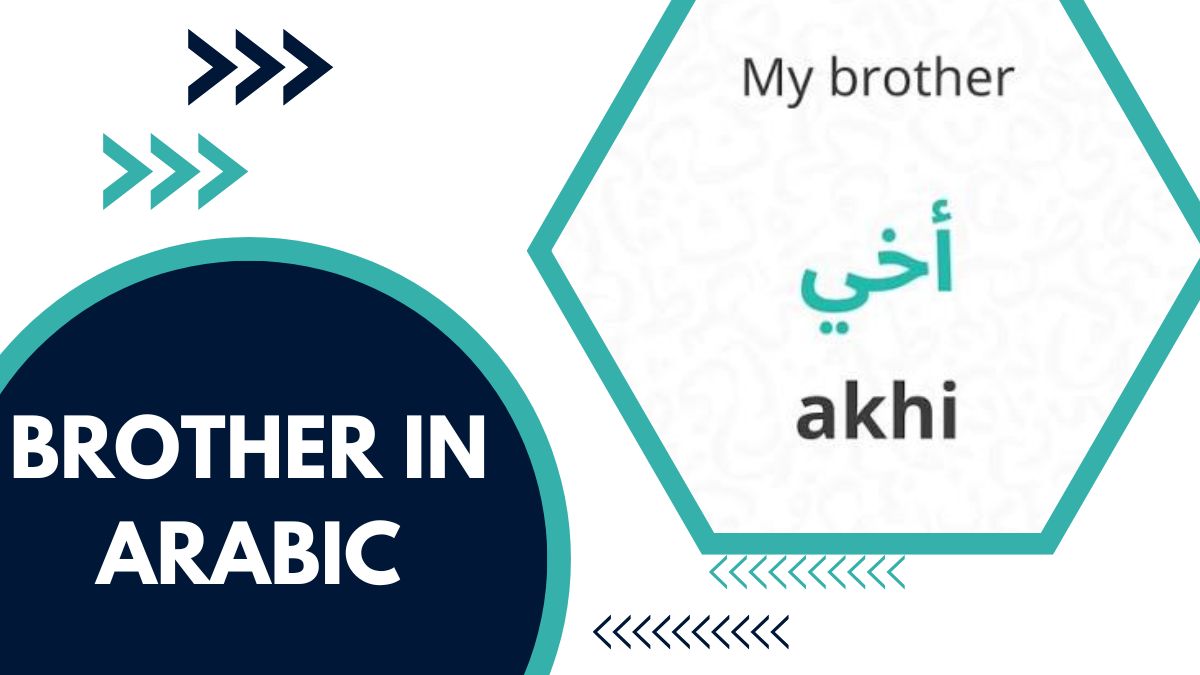
السلام عليكم (As-salamu alaykum) – Peace be upon you
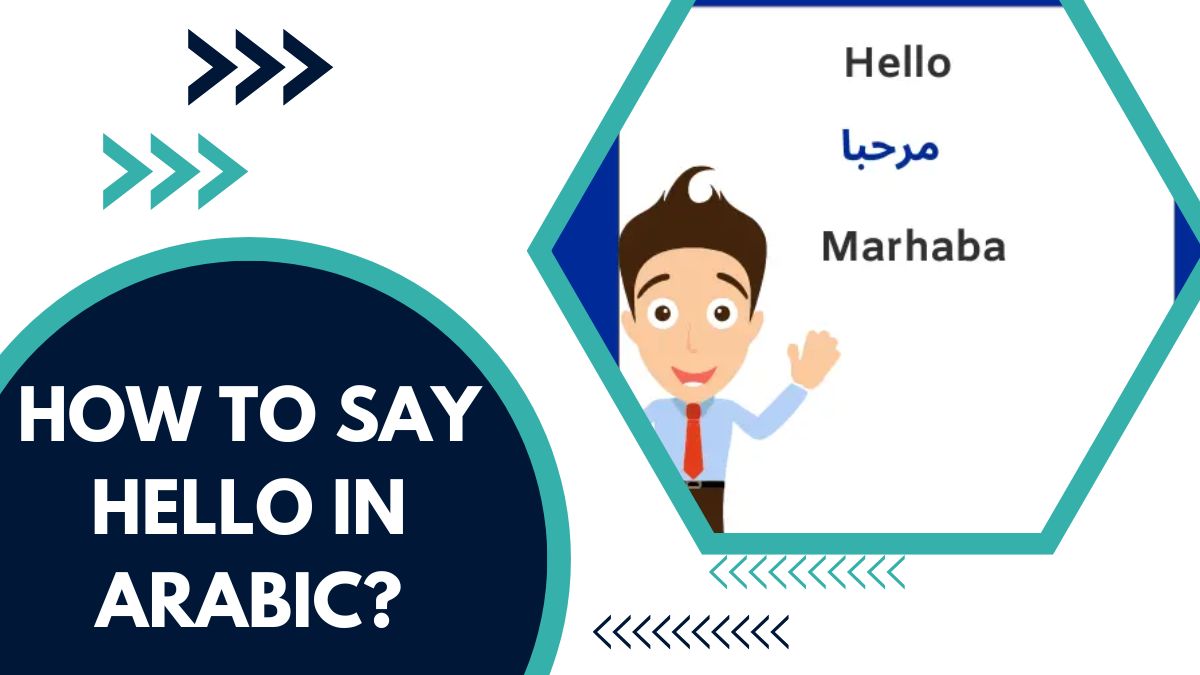
مرحباً (Marhaban) – Hello
أهلاً (Ahlan) – Welcome/Hi
صباح الخير (Sabah al-khayr) – Good morning
مساء الخير (Masa’ al-khayr) – Good evening
These greetings are used throughout the Arab world and are among the first expressions every learner should master.
Basic Conversation Words
نعم (Na’am) – Yes
لا (La) – No
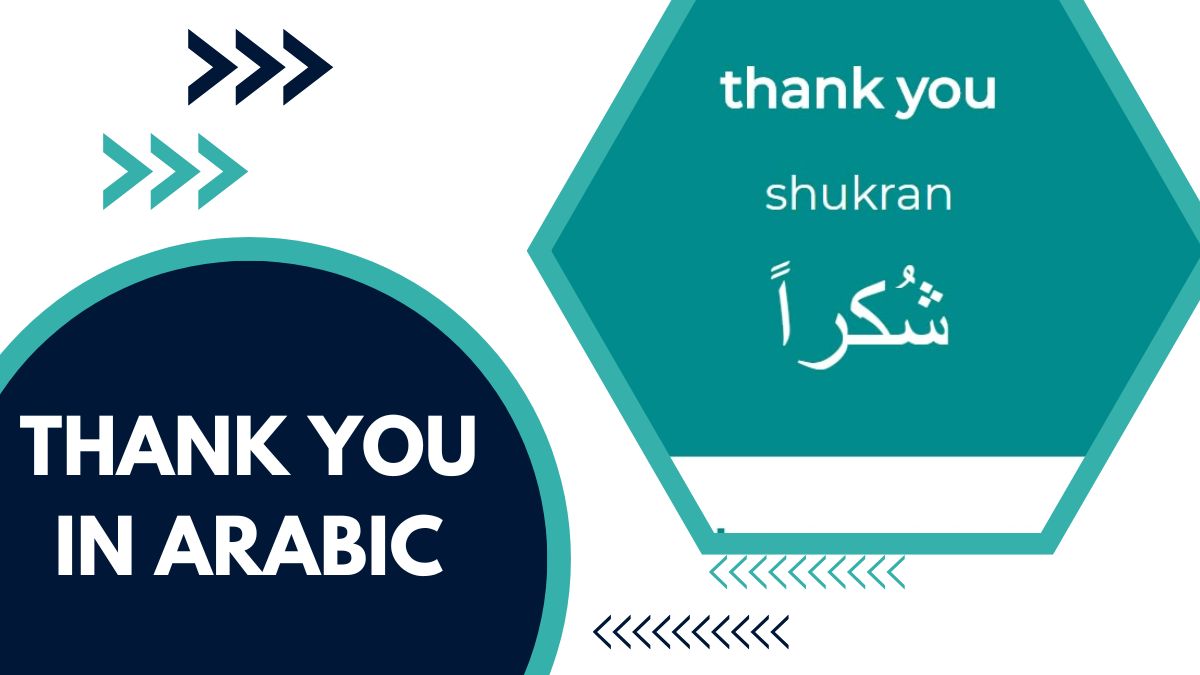
شكراً (Shukran) – Thank you
من فضلك (Min fadlik) – Please
عفواً (Afwan) – You’re welcome
Learning these simple words allows you to handle many everyday interactions politely and confidently.
Everyday Vocabulary
Learn words related to:
- Family
- Food
- Numbers
- Colors
- Time
- Places
- Transportation
You can organize vocabulary into categories and create flashcards to make learning easier. Many learners find that grouping words by topic helps them remember and use them more effectively.
Aim to learn 10–15 new words daily and review them regularly. Even a small daily effort can lead to significant progress over time.
Step 3: Master Arabic Pronunciation
Pronunciation is one of the most important aspects of speaking Arabic. Clear pronunciation helps native speakers understand you and improves your listening skills at the same time.
Arabic contains sounds that may not exist in English or other European languages. Because of this, many beginners initially struggle with certain letters and sounds. However, regular listening and practice can make a dramatic difference.
Examples include:
ع (‘Ayn)
ح (Ha)
خ (Kha)
ق (Qaf)
These sounds can feel challenging at first, but they become easier with practice and listening.
One of the advantages of Arabic is that words are generally pronounced as they are written. Once you understand the sounds of the letters, reading aloud becomes much more straightforward.
How to Improve Pronunciation
- Listen to native speakers.
- Repeat words aloud.
- Record yourself speaking.
- Compare your pronunciation with native audio.
- Practice difficult sounds daily.
You can also watch Arabic videos, listen to podcasts, or follow Arabic-language content on social media to expose yourself to authentic pronunciation patterns.
Don’t worry about perfection. Focus on being understood and improving gradually. Every conversation and listening session will help strengthen your speaking abilities.
Experience the direct, emotionally moving impact of the classical text by registering for our specialized Quranic Arabic Course for German Speakers at Denk Arabisch designed to clear away linguistic barriers instantly.
Step 4: Learn Useful Arabic Phrases
Instead of memorizing isolated words, learn complete phrases. This approach helps you start speaking sooner and understand how words work together in real conversations.
When you learn full phrases, you naturally absorb grammar, sentence structure, and common expressions without having to study complex rules immediately.
Using ready-made phrases can also boost your confidence because you’ll have practical language you can use from day one.
Useful Beginner Phrases
كيف حالك؟
(Kayfa haluk?)
How are you?
أنا بخير
(Ana bikhayr)
I am fine.
ما اسمك؟
(Ma ismuk?)
What is your name?
اسمي أحمد
(Ismi Ahmad)
My name is Ahmad.
أين الحمام؟
(Ayna al-hammam?)
Where is the bathroom?
كم السعر؟
(Kam as-si’r?)
How much does it cost?
Why Learn Phrases First?
Learning phrases helps you:
- Speak more naturally.
- Build confidence quickly.
- Improve listening comprehension.
- Understand common sentence patterns.
- Communicate effectively in real-life situations.
Try practicing these phrases with language partners, tutors, or even by speaking to yourself. The more often you use them, the more natural they will become.
Using complete phrases builds confidence and improves conversational skills, making the transition from beginner to intermediate Arabic much smoother.
Step 5: Practice Speaking Every Day
The fastest way to learn how to speak Arabic is to speak it regularly. Like any language, Arabic becomes easier when you actively use it rather than simply studying it.
Many learners spend months studying grammar and vocabulary without practicing conversation. As a result, they may understand written Arabic or recognize words when listening, but they struggle to express themselves when speaking.
The key is to start speaking from the very beginning, even if you only know a few words and phrases. Confidence develops through practice, not perfection.
Daily Speaking Activities
- Read sentences aloud.
- Describe your day in Arabic.
- Practice self-introductions.
- Talk to language partners.
- Repeat dialogues from lessons.
You can also practice by narrating simple activities such as cooking, shopping, or getting ready for work. This helps train your brain to think and communicate in Arabic naturally.
Even five to ten minutes of speaking practice daily can produce noticeable improvement. Small, consistent efforts are often more effective than occasional long study sessions.
Claim your absolute mastery over genuine conversational speech right now; secure your spot in our popular Arabic Dialect Courses at Denk Arabisch before registration windows close for the season!
Step 6: Listen to Arabic Constantly
Listening develops your understanding of natural speech patterns, pronunciation, and vocabulary.
The more Arabic you hear, the more familiar the language becomes. Regular listening trains your ear to recognize sounds, sentence structures, and common expressions used by native speakers.
Many learners underestimate the importance of listening, but it is one of the most powerful tools for improving both comprehension and speaking ability.
Listening Resources
- Arabic podcasts
- YouTube channels
- News broadcasts
- Audiobooks
- Language-learning apps
- Arabic songs
Try listening to content that matches your current level. Beginners may benefit from slow and simplified Arabic, while advanced learners can challenge themselves with native-level content.
At first, you may understand very little. That’s normal.
Focus on recognizing familiar words and phrases. Over time, comprehension will improve naturally as your brain becomes accustomed to the sounds and rhythm of the language.
Read also: How To Learn To Write Arabic? – Arabic Handwriting
Step 7: Learn Basic Arabic Grammar
You don’t need to master grammar before speaking Arabic, but understanding key concepts helps you form sentences correctly and communicate more clearly.
Grammar provides the framework that connects vocabulary and allows you to express ideas accurately. Learning grammar gradually can make speaking and writing much easier.
Important Grammar Topics
- Pronouns
- Verb conjugation
- Gender agreement
- Plurals
- Question formation
- Sentence structure
Start with simple patterns and gradually build complexity. Focus on understanding how sentences work rather than memorizing long grammar rules.
For example:
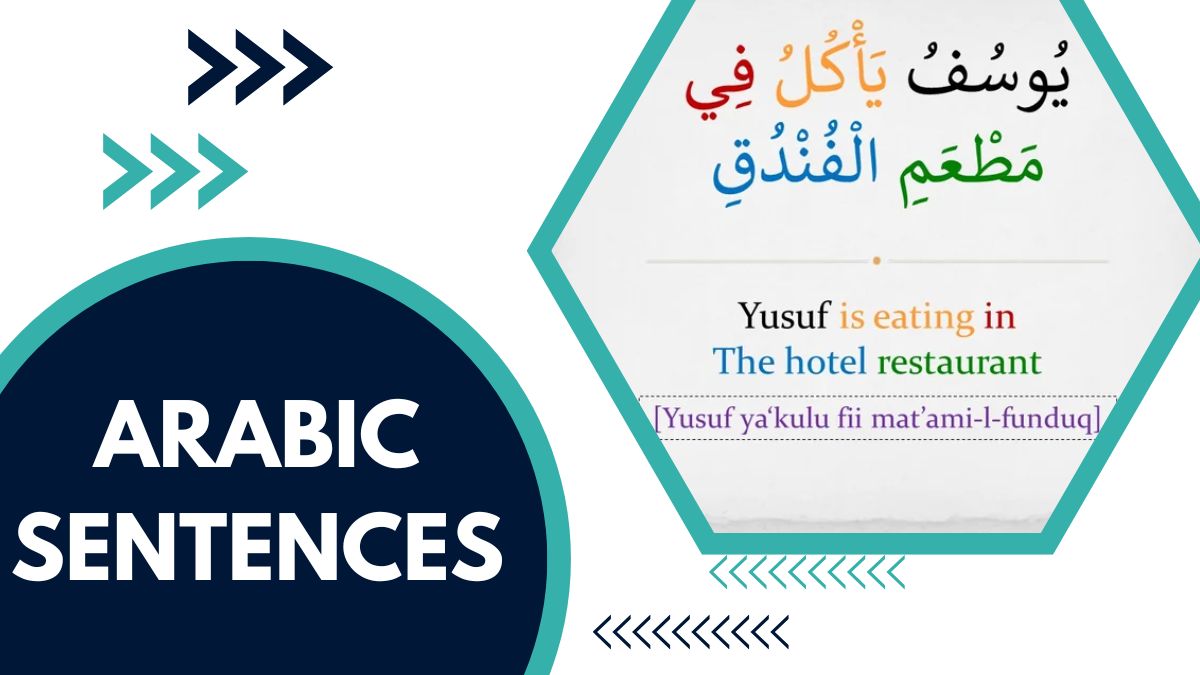
أنا طالب
(Ana talib)
I am a student.
أنا أدرس العربية
(Ana adrusu al-‘arabiyyah)
I study Arabic.
Learning grammar in context makes it easier to remember and use. Whenever possible, study grammar through practical examples and conversations instead of isolated rules.
Enhance your career readiness or academic depth immediately by enrolling in specialized Arabic Speaking Course at Denk Arabisch focused entirely on high-yield, real-world results.
Learn Arabic with Denk Arabisch Academy
Speak and understand Arabic through a clear and effective learning system
Try a Free TrialStep 8: Find a Language Partner
One of the most effective ways to improve speaking skills is by talking with native speakers or fellow learners.
A language partner provides opportunities for real conversations and helps you apply what you’ve learned in practical situations. Regular interaction also builds confidence and improves fluency.
Language Exchange Partners Can Help You:
- Practice conversation
- Learn natural expressions
- Improve pronunciation
- Gain cultural insights
Speaking with others exposes you to vocabulary and phrases that are commonly used in everyday life but may not always appear in textbooks.
Don’t be afraid to make mistakes. Native speakers generally appreciate learners who are making an effort to speak Arabic, and mistakes are an essential part of the learning process.
Step 9: Think in Arabic
Many learners mentally translate every sentence from their native language into Arabic.
This habit slows communication and can make conversations feel stressful. To become more fluent, try developing the habit of thinking directly in Arabic whenever possible.
Thinking in Arabic helps your brain process the language more naturally and reduces dependence on translation.
Start Small
Think about:
- Objects around you
- Daily activities
- Basic descriptions
- Shopping lists
- Weather conditions
Examples:
هذا كتاب
(Hadha kitab)
This is a book.
أنا جائع
(Ana ja’i’)
I am hungry.
As your vocabulary grows, try creating complete sentences and describing situations in Arabic throughout the day. Thinking in Arabic gradually increases fluency, speaking speed, and overall confidence.
Step 10: Immerse Yourself in Arabic
Immersion is one of the most powerful language-learning techniques because it surrounds you with the language on a daily basis.
You don’t need to move to an Arabic-speaking country to create an immersive environment. Modern technology makes it possible to bring Arabic into your daily routine wherever you live.
Ways to Immerse Yourself
- Change your phone language to Arabic.
- Follow Arabic social media accounts.
- Watch Arabic television programs.
- Read simple Arabic articles.
- Join online Arabic communities.
- Listen to Arabic content during your commute.
You can also label household items with Arabic words, keep a simple Arabic journal, or participate in online discussion groups to increase your exposure.
The more exposure you have, the faster your speaking ability develops. Consistent immersion helps reinforce vocabulary, improve listening comprehension, and make Arabic feel like a natural part of your everyday life.
Ensure your time and capital are perfectly optimized by choosing our premium Arabic Courses Based On Levels at Denk Arabisch supervised by world-class native instructional mentors.
Common Mistakes Beginners Make
Learning Arabic can be an exciting and rewarding experience, but many beginners face common challenges that slow their progress. Being aware of these mistakes can help you avoid frustration and learn more efficiently.
1. Focusing Too Much on Grammar
Many learners delay speaking because they want perfect grammar before they start having conversations.
While grammar is important, communication should be the primary goal in the early stages. Native speakers will usually understand simple sentences even if they contain minor grammatical mistakes.
Remember that fluency develops through practice, not through memorizing grammar rules alone. Learning grammar gradually while actively using the language is often the most effective approach.
2. Not Speaking Enough
Reading and listening are valuable skills, but speaking is essential for fluency.
Some learners spend months studying vocabulary and grammar without ever practicing conversation. As a result, they may understand Arabic well but struggle to express themselves when speaking.
The earlier you begin speaking, the faster you will gain confidence and improve your communication skills.
3. Fear of Making Mistakes
Mistakes are a normal and necessary part of language learning.
Many beginners avoid speaking because they worry about pronunciation errors or incorrect grammar. However, every mistake provides valuable feedback and helps you improve.
Even advanced speakers continue learning from their errors. The important thing is to keep practicing and view mistakes as opportunities for growth.
4. Inconsistent Practice
Studying once a week produces slower results than practicing a little every day.
Language learning requires regular exposure and repetition. Short daily study sessions are usually more effective than occasional long sessions because they help strengthen memory and build habits.
Consistency beats intensity when it comes to long-term language development.
5. Trying to Learn Too Much at Once
Some learners attempt to memorize hundreds of vocabulary words or study multiple grammar topics in a single day.
This approach often leads to confusion and burnout. Instead, focus on small, manageable goals and build your knowledge step by step.
Steady progress over time is more sustainable and effective than rushing through large amounts of material.
How Long Does It Take to Learn Arabic?
One of the most common questions language learners ask is how long it takes to become fluent in Arabic.
The answer depends on several factors, including:
- Study time
- Learning methods
- Practice frequency
- Prior language experience
- Exposure to Arabic
- Motivation and consistency
Learners who study regularly and actively practice speaking usually progress much faster than those who rely only on passive learning methods.
With regular study and speaking practice, many learners can hold basic conversations within a few months. They can introduce themselves, ask simple questions, and participate in everyday interactions.
Intermediate proficiency often takes one to two years of consistent study, while advanced fluency may require several years of dedicated learning and real-world use.
The key is to focus on steady improvement rather than comparing your progress to others.
Best Tips for Speaking Arabic Fluently
Fluency is the result of consistent exposure, active practice, and patience. While there is no shortcut to mastering Arabic, certain habits can significantly accelerate your progress.
To Accelerate Your Progress:
- Learn common words first.
- Practice speaking every day.
- Listen to native speakers regularly.
- Learn phrases instead of isolated vocabulary.
- Record yourself speaking.
- Find conversation partners.
- Read Arabic aloud.
- Review vocabulary consistently.
- Think in Arabic whenever possible.
- Stay patient and persistent.
You should also create realistic learning goals and track your progress. Celebrating small achievements can help maintain motivation and make the learning process more enjoyable.
Most importantly, make Arabic a part of your daily life. The more frequently you interact with the language, the faster your confidence and fluency will grow.
Fluency develops gradually through repeated exposure, meaningful practice, and active use. Every conversation, every new word, and every listening session brings you one step closer to speaking Arabic naturally and confidently.
Before diving into the learning process, it’s helpful to understand why Arabic is such an important language. Arabic is one of the world’s most widely spoken languages and offers numerous personal, professional, and cultural benefits for learners of all backgrounds.
Arabic Is Spoken by Millions
Arabic is the official language of more than 20 countries, including Saudi Arabia, Egypt, Jordan, Morocco, the United Arab Emirates, and Qatar. Learning Arabic allows you to communicate with people across a vast region stretching from North Africa to the Arabian Peninsula.
With more than 400 million speakers worldwide, Arabic is considered one of the most influential languages in global communication, culture, and business.
Career Opportunities
Arabic speakers are in demand in fields such as:
- International business
- Translation and interpretation
- Diplomacy
- Tourism
- Journalism
- Education
- International relations
As globalization continues to connect different regions of the world, the ability to speak Arabic can help professionals stand out in competitive job markets and access unique career opportunities.
Cultural Understanding
Arabic opens the door to rich literature, history, music, films, and traditions that have influenced the world for centuries.
Learning the language allows you to experience Arab culture from an insider’s perspective and better understand the customs, values, and traditions of Arabic-speaking communities.
Religious Significance
For Muslims, Arabic is the language of the Quran. Learning Arabic helps deepen understanding of Islamic teachings and classical texts.
Many learners choose to study Arabic specifically to read the Quran directly, understand Islamic lectures, and connect more deeply with their faith.
Which Arabic Should You Learn?
One of the first questions beginners ask is: “Which Arabic should I learn?”
Arabic exists in different forms, and understanding these differences can help you choose the best learning path based on your goals.
Modern Standard Arabic (MSA)
Modern Standard Arabic is the formal version used in:
- News broadcasts
- Books
- Official documents
- Educational materials
- Public speeches
MSA is understood throughout the Arabic-speaking world, making it an excellent starting point for most learners. It provides a strong foundation that can later be adapted to regional dialects.
Arabic Dialects
Native speakers typically use regional dialects in everyday conversations.
Popular dialects include:
- Egyptian Arabic
- Levantine Arabic
- Gulf Arabic
- Moroccan Arabic
- Sudanese Arabic
Each dialect has unique vocabulary, pronunciation, and expressions. If your goal is general communication, many learners begin with Modern Standard Arabic and later specialize in a dialect that matches their interests or travel plans.
Establish an unshakeable foundation in the language and gain immediate speaking confidence through a premium Arabic Course For Beginners at Denk Arabisch engineered specifically for busy professional schedules.
Read also: Common Arabic Words – Essential Vocabulary Every Beginner Should Know
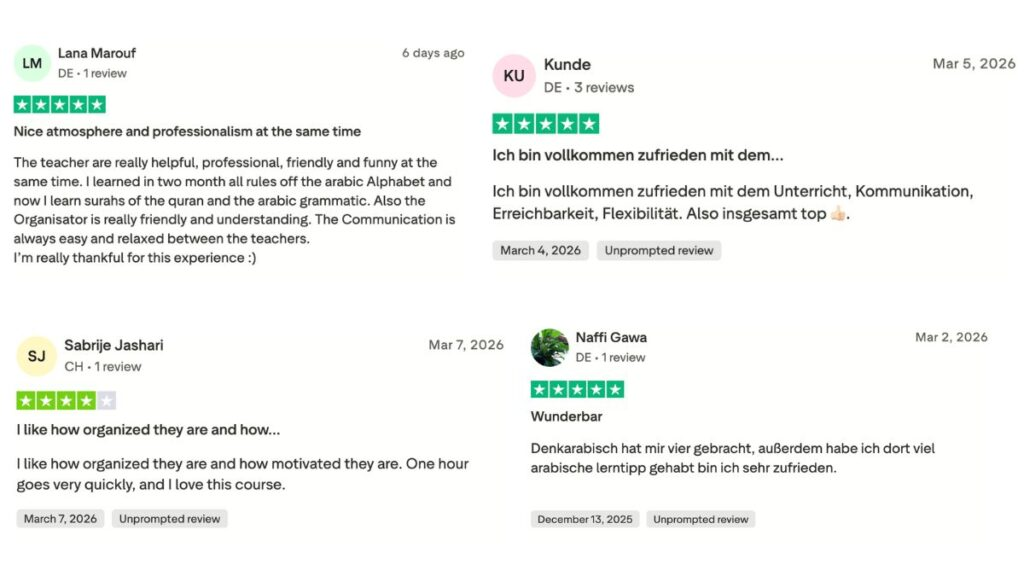
What Our Students Say About Denk Arabisch Academy
See what our students say about learning at Denk Arabisch Academy on Trustpilot. Read their experiences and check out more reviews to discover how our courses help improve Arabic.
Step Up to Real Arabic Fluency with Denk Arabisch!
Let’s look at the facts: watching random internet tutorials and downloading endless vocabulary lists hasn’t given you fluency. Instead, it leaves you feeling overwhelmed by disconnected grammar rules and unsure if your pronunciation is even correct. You don’t need more unorganized information—you need immediate feedback and real structure.
The new semester for our live, premium tracks is launching right now. To guarantee that every student interacts directly with their instructor and gets real-time correction, we cap our live classroom sizes strictly. Once these small cohorts are full, registration locks completely for the entire term.
Our Courses:
- Arabic Course For Beginners: Stop letting the Arabic script slow you down. Our structured conversational blueprint sidesteps dry, traditional lecturing to get you actively building and speaking real sentences right from your very first live session.
- Quranic Arabic Course for German Speakers: Connect with the deep eloquence of the classical text without losing anything in translation. This track is engineered from the ground up to clear away the structural friction between German and Arabic grammar nodes.
- Arabic Speaking Course: Pure, high-efficiency learning. Tailored exclusively for goal-driven individuals who want to isolate and dominate specific areas—like advanced corporate dialogue, complex reading, or grammar mechanics.
- Arabic Dialect Courses: Move completely past rigid, textbook speech. Master the authentic regional phrasing used on the street today so you can communicate naturally and build real, spontaneous connections with native speakers.
- Arabic Courses Based On Levels: Skip the introductory repetition. We assess your current linguistic threshold and position you exactly in the correct tier to keep your learning trajectory climbing without a single pause.
Why keep guessing your way through a complex language when you can learn live from handpicked, elite native instructors? Denk Arabisch takes the stress out of your education, shortening your learning curve by years with a premium online schedule that fits seamlessly around your career or university timeline.
Continuing to wait only delays your progress. Click below and lock in your future fluency before our spots vanish!
Learn Arabic with Denk Arabisch Academy
Speak and understand Arabic through a clear and effective learning system
Try a Free TrialConclusion
Learning how to speak Arabic is a journey that combines vocabulary building, pronunciation practice, listening, speaking, and cultural understanding. While Arabic may seem challenging at first, consistent daily practice can lead to remarkable progress.
Start by learning the alphabet, mastering essential vocabulary, and practicing common phrases. Speak as often as possible, listen to native Arabic content, and don’t be afraid of making mistakes. Every conversation, every new word, and every listening session brings you one step closer to fluency.
Remember that language learning is not about perfection—it’s about communication. With dedication, patience, and regular practice, you can confidently learn to speak Arabic and enjoy all the opportunities that come with it.
FAQs
1. Is Arabic difficult to learn?
Arabic can be challenging for beginners because of its unique alphabet, pronunciation, and grammar. However, with consistent practice and the right learning methods, it becomes much easier over time. Many learners find that regular exposure and daily practice lead to steady progress.
2. How long does it take to learn Arabic?
The time required depends on your goals, study habits, and learning environment. Many learners can hold basic conversations within a few months of regular study, while achieving advanced fluency may take several years of consistent practice.
3. Should I learn Modern Standard Arabic or a dialect first?
For most beginners, Modern Standard Arabic (MSA) is the best starting point because it is understood throughout the Arabic-speaking world and is widely used in books, news, and educational materials. After building a strong foundation, you can focus on a specific dialect if needed.
4. How many Arabic words should I learn per day?
A realistic goal for most beginners is learning 10–15 new words per day. The key is not just learning new vocabulary but reviewing and using it regularly to improve long-term retention.
5. Can I learn Arabic on my own?
Yes, many people successfully learn Arabic independently using online courses, language-learning apps, textbooks, podcasts, and videos. However, practicing with native speakers or language partners can significantly improve speaking and listening skills.
6. What is the best way to improve Arabic speaking skills?
The most effective way to improve speaking is through regular conversation practice. Speaking daily, repeating phrases aloud, recording yourself, and interacting with native speakers can help you build confidence and fluency.