For anyone embarking on the study of the Arabic language, deciphering the script can initially feel like decoding a beautifully intricate puzzle. At the heart of this semantic system lies a phonetic framework that differs fundamentally from Indo-European language families.
To speak Arabic with accurate pronunciation, read classic or modern texts fluidly, and understand the internal logic of the vocabulary, one must master its unique approach to vowels.
In languages like English, Spanish, or Russian, vowels are independent letters integrated directly into the linear spelling of a word. You read them sequentially: consonant, then vowel, then consonant. Arabic operates on an entirely different architectural plane.
It treats vowels not as static, equal blocks in a word’s spelling, but as fluid layers built upon a rigid framework of consonants. To understand Arabic, you must understand how these two layers interact.
Table of Contents
1. The Structure of Arabic Phonology of Arabic Vowels
The Arabic alphabet is composed of 28 letters. From a strict linguistic standpoint, all 28 of these characters are considered consonants. This realization often causes beginners to wonder: If every letter is a consonant, how do we produce vowel sounds?
Arabic solves this by splitting its vocalization system into two distinct categories:
- Short Vowels (الحركات – Al-Harakat): Phonetic modifiers or diacritic marks written dynamically above or below the primary consonants.
- Long Vowels (حروف المد – Huruof Al-Mad): Three specific consonant letters that pull double-duty, transforming under certain structural rules to elongate those short vowel sounds.
This structural separation is why everyday written Arabic—found in modern novels, street signs, legal documents, and digital media—completely omits short vowels. Fluent readers do not need to see them; they naturally infer the vowel sounds based on context, sentence structure, and vocabulary patterns.
However, to preserve absolute textual integrity and aid comprehension, short vowels are fully written out in the Quran, classical poetry, children’s literature, and instructional textbooks for language learners.
Overcome the fear of a new alphabet entirely and let the intensive Arabic Course For Beginners at Denk Arabisch quickly transform you into a fluent reader who never struggles with the script again!
2. The Short Vowels (الحركات – Al-Harakat)
In the Arabic language, the word Harakat literally translates to “movements.” This is a highly accurate description of their function: they are acoustic guides telling you how to move your mouth and position your tongue immediately after pronouncing a consonant.
There are three primary short vowels. Each represents a brief, crisp sound that lasts for a single phonetic beat.
A. Fatha (الفتحة)
The Fatha is represented by a small, diagonal stroke placed directly above a letter. Its name is derived from the Arabic word for “opening,” because pronouncing it requires you to open your mouth vertically.
- The Sound: It produces a short, clean “a” sound. Depending on the consonant it sits on, it can sound like the bright “a” in the English word cat, or the slightly deeper acoustic heard in the word cup.
- Examples:
- The consonant Ba (ب) carrying a Fatha is written as بَ and pronounced sharply as Ba.
- The verb دَرَسَ (da-ra-sa), which means “he studied,” features three consecutive consonants each activated by a Fatha.
B. Damma (الضمة)
The Damma is a small, stylized diacritic written above a letter, shaped precisely like a miniature version of the Arabic letter Waw. Its name comes from the concept of “gathering” or “pressing together,” referencing the way you must round your lips to articulate it.
- The Sound: It produces a short “u” or “oo” sound, highly similar to the vocalization found in the English words put or look.
- Examples:
- The consonant Ba (ب) carrying a Damma is written as بُ and pronounced as Bu.
- The passive verb كُتِبَ (ku-ti-ba), meaning “it was written,” begins with a Damma-activated Kaf (كُ).
C. Kasra (الكسرة)
The Kasra is the only primary short vowel placed below a letter, written as a small diagonal stroke. The term stems from the root meaning “to break,” illustrating the drop or lowering of the jaw and bottom lip required to make the sound.
- The Sound: It yields a short “i” sound, mimicking the vowel present in the English words hit, bit, or pin.
- Examples:
- The consonant Ba (ب) carrying a Kasra is written as بِ and pronounced as Bi.
- The common preposition مِنْ (min), meaning “from,” utilizes a Kasra beneath its initial letter.
Summary of Short Vowels
| Vowel Name | Arabic Script | Visual Symbol | English Equivalent | Example | Pronunciation |
| Fatha | الفتحة | َ (Above) | Short “a” (cat / cup) | كَتَبَ | ka-ta-ba |
| Damma | الضمة | ُ (Above) | Short “u” / “oo” (put) | كُرْسِي | kur-see |
| Kasra | الكسرة | ِ (Below) | Short “i” (hit) | بِنْت | bint |
3. The Long Vowels (حروف المد – Huruof Al-Mad)
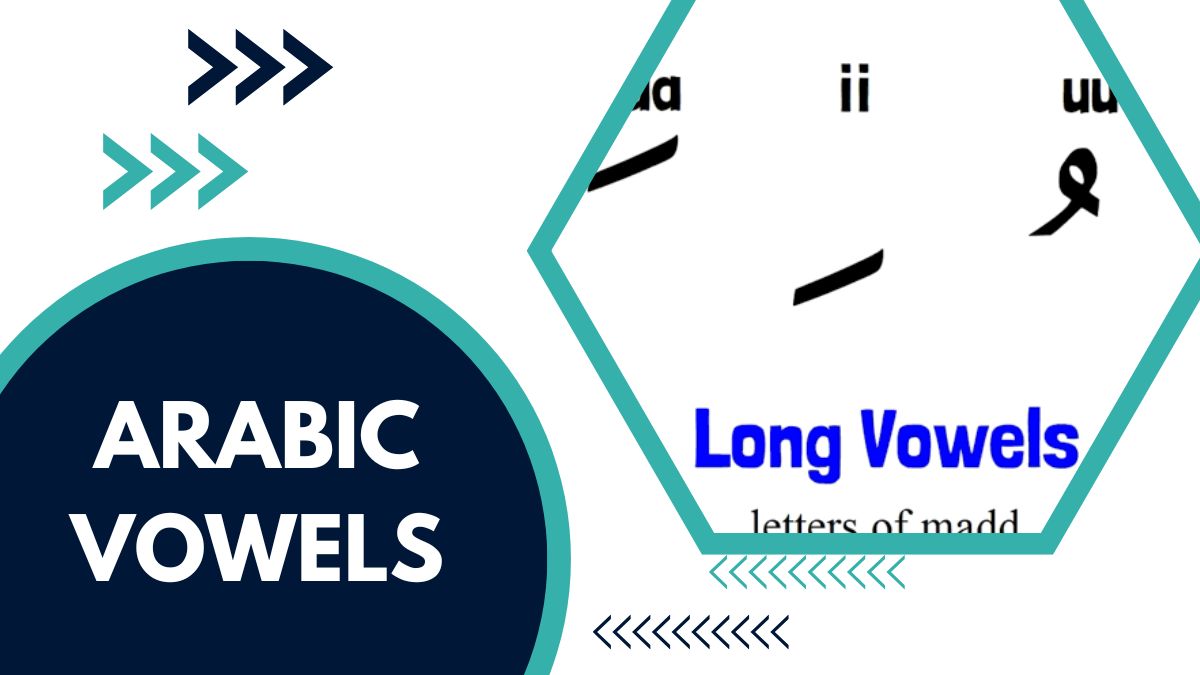
If short vowels represent a single unit of acoustic time, long vowels represent exactly two units. Known in Arabic linguistics as Huruof Al-Mad (“letters of extension” or “elongation”), these sounds are produced by paired combinations.
To create a long vowel, a consonant must first hold a short vowel, and then be immediately followed by its corresponding “weak” consonant letter: Alif (أ), Waw (و), or Yaa (ي). For these three letters to function as long vowels rather than standard consonants, they must remain bare—meaning they cannot carry any short vowel markings of their own.
A. Alif (الألف) – The Long “A”
When a consonant holding a Fatha is followed by a plain, unmarked Alif, the short “a” sound stretches into a sustained, long “aa” sound. This matches the open vowel sound found in the English word father.
- Structural Mechanics: Fatha + Alif ( َ + ا )
- Example: Consider the word بَاب (baab), meaning “door.” The initial Ba features a Fatha that is pulled forward by the Alif, requiring the speaker to hold the vowel sound for two beats before completing the word with the final consonant.
B. Waw (الواو) – The Long “U” / “OO”
When a consonant holding a Damma is followed by an unmarked Waw, the short “u” sound elongates into a deep, resonant “oo” sound. This sound is identical to the vowel expression in words like moon, room, or boot.
- Structural Mechanics: Damma + Waw ( ُ + و )
- Example: The word نُور (noor), which translates to “light,” showcases this extension perfectly. The Damma on the Noon merges with the subsequent Waw to create a smooth, elongated vowel.
C. Yaa (الياء) – The Long “I” / “EE”
When a consonant holding a Kasra is followed by an unmarked Yaa, the short “i” sound elongates into a bright, sustained “ee” sound, precisely like the vowel sound in the English words meet, see, or team.
- Structural Mechanics: Kasra + Yaa ( ِ + ي )
- Example: The word سَعِيد (sa’eed), meaning “happy,” demonstrates this behavior. The middle consonant (‘Ayn) is dropped down by the Kasra and then stretched out across the Yaa.
Demand more from your spiritual journey by choosing the premium Quranic Arabic Course for German Speakers at Denk Arabisch to unlock the profound, original beauty of the Quran without a middleman.
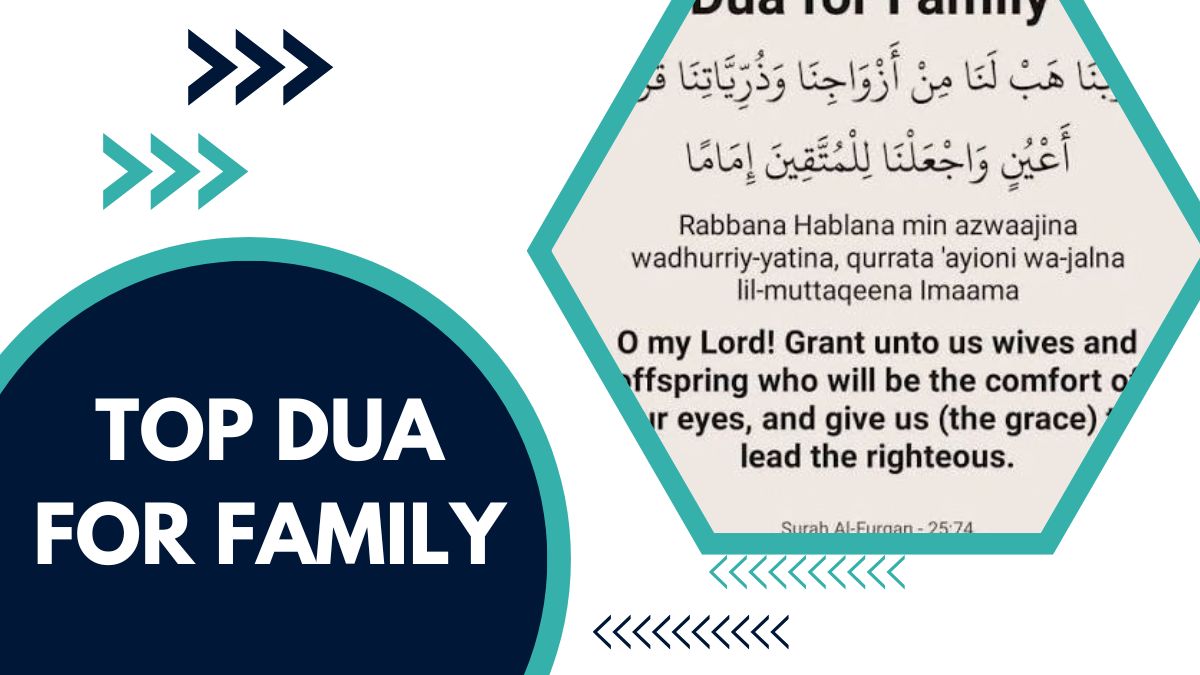
Read also: Top Dua For Family
4. Mastering Advanced Arabic Tashkeel (Vowel Marks)
Beyond basic short and long vowels, the Arabic script employs several advanced phonetic markers. These symbols do not represent independent vowel sounds; instead, they alter, silence, or double existing consonant-vowel combinations.
A. Sukun (السكون) – The Absence of a Vowel
The Sukun is written as a small, neat circle ( ْ ) placed directly above a consonant. Its name translates to “tranquility” or “stillness.” When a Sukun is placed on a letter, it strips away all vowel movement. It tells the speaker to pronounce the raw, unvoiced consonant sound and immediately pause.
- Diphthong Formation: The Sukun is vital for creating diphthongs (where two vowel sounds slide together into one syllable). When the long vowel letters Waw or Yaa carry a Sukun and follow a letter with a Fatha, they transform from long vowels into gliding sounds like “aw” or “ay.”
- Example: Look at the word بَيْت (bayt), which means “house.” The Yaa does not elongate the word into an “ee” sound because it carries a Sukun. Instead, it blends with the Fatha on the Ba to create the “ay” sound.
B. Shadda (الشدة) – Consonant Doubling
The Shadda is a distinctive symbol that resembles a tiny, floating letter “w” ( ّ ) positioned over a consonant. It indicates that the consonant must be pronounced with double its ordinary emphasis, held momentarily in the mouth before release.
Linguistically, a Shadda is an elegant shorthand that condenses two identical consecutive letters into one. It operates under a strict rule: the first iteration of the letter is completely static (silent with a Sukun), while the second iteration carries the active short vowel (Haraka).
- Example: In the word مُدَرِّس (mu-dar-ris), which means “teacher,” the Shadda sits directly over the Ra. When speaking, you must dwell on the “r” sound, creating a split-second tension before releasing it into the short Kasra vowel.
C. Tanween (التنوين) – Nunation
Tanween is the process of doubling a short vowel mark at the absolute end of a noun or an adjective. Acoustically, it retains the original short vowel sound but tags a crisp, vocalized “N” sound onto the very tip of the word. This serves a strict grammatical function, indicating that a noun is indefinite (similar to using “a” or “an” in English).
- Tanween Fath ( ً ): Produces the ending sound “-an”. In standard script, it usually requires an empty Alif at the end of the word to act as a physical support post (e.g., كِتَاباً / kitaaban).
- Tanween Damm ( ٌ ): Produces the ending sound “-un” (e.g., كِتَابٌ / kitaabun).
- Tanween Kasr ( ٍ ): Produces the ending sound “-in” (e.g., كِتَابٍ / kitaabin).
Learn Arabic with Denk Arabisch Academy
Speak and understand Arabic through a clear and effective learning system
Try a Free Trial5. Phonetic Behavior: Heavy and Light Vowels
A mistake made by many beginners is assuming that a vowel symbol always sounds identical across different words. In Arabic linguistics, the exact tone of a short or long vowel is directly shaped by the nature of the consonant that precedes it.
Arabic consonants are strictly separated into two distinct acoustic classes:
A. Light Letters (Letters of Tarqeeq): The vast majority of the alphabet consists of light, frontal letters like ت (ta), س (sa), and د (da). When a vowel follows a light letter, it retains a bright, forward, and smiling quality. A Fatha on a light letter will naturally mimic the “a” sound in back or cat.
B. Heavy Letters (Letters of Tafkheem): These are deep, velarized, or pharyngealized consonants produced deep within the throat or by raising the back of the tongue toward the roof of the mouth. The core heavy letters include ص (Sad), ض (Dad), ط (Taa), ظ (Zaa), and ق (Qaf).
When a vowel follows a heavy letter, the mouth cavity acts as a resonance chamber, thickening the vowel sound. A Fatha sitting on a heavy letter loses its bright “cat” quality and drops into a deep, hollow “ah” or “aw” sound, resembling the “a” in father or car.
To hear this contrast clearly, speak these pairs aloud:
- سَارَ (sa-ra): Uses the light Seen. The vowel sound is bright and forward: “Saa-ra” (meaning: he walked).
- صَارَ (Sa-ra): Uses the heavy Sad. The tongue pulls back, darkening the vowel: “Sawr-ra” (meaning: he became).
Stop allowing bad pronunciation or slow reading habits to hold you back when our precise Arabic Personal Pronouns Course at Denk Arabisch are built to fix your specific limitations right now.
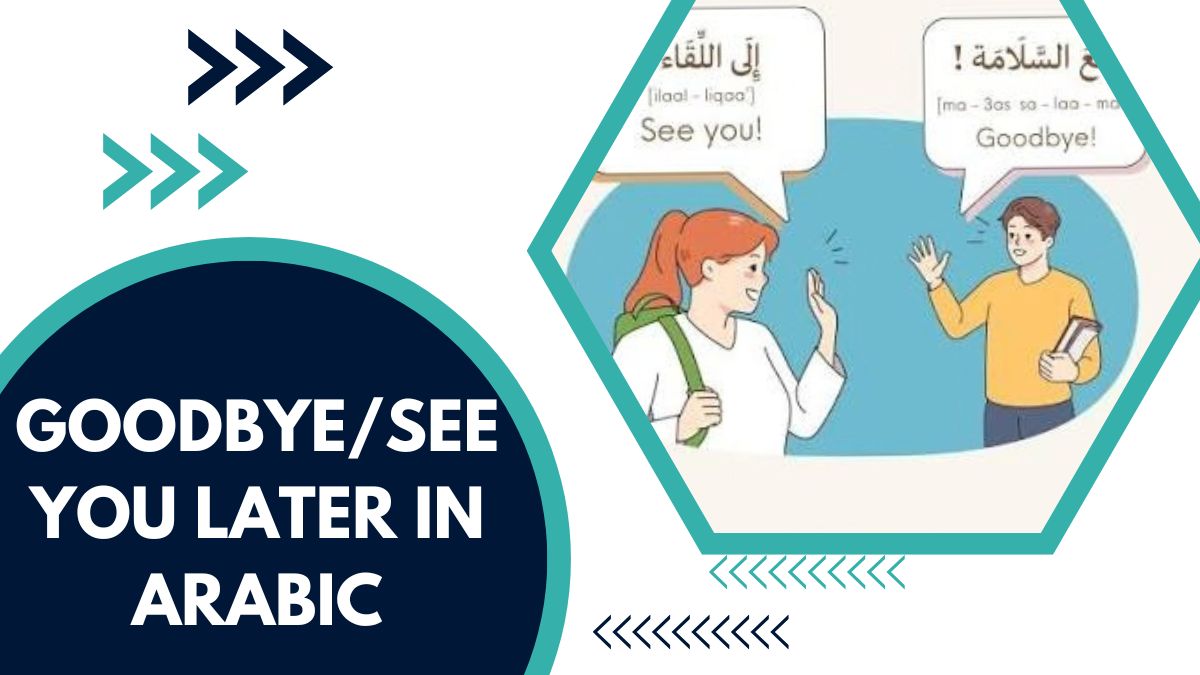
Read also: Goodbye / See You Later In Arabic
6. Why Modern Arabic Omits Vowels?
The realization that everyday Arabic script completely discards short vowel markings can leave new students feeling overwhelmed. They wonder how it is possible to read a sentence accurately if the vowels are missing entirely from unvocalized text.
The answer lies in the highly organized linguistic framework of the language, which allows native speakers to intuitively fill in the blanks using three distinct pillars:
A. The Root System:
Almost all Arabic words are built from a core root consisting of three primary consonants. This root holds an abstract, overarching concept. For instance, the consonant grouping ك – ت – ب (K – T – B) always contains the foundational concept of writing. No matter how you rearrange the vowels around those three letters, the core theme of writing remains fixed.
B. Predictable Word Patterns (Awzan):
Arabic uses a highly mathematical system of structural templates. To create specific meanings from a root, the three core consonants are dropped into a predefined skeletal pattern of vowel steps.
For example, the template for a “physical location where an action occurs” is constructed by adding a Ma- prefix before the first root consonant (Ma + Root). When a reader encounters the unvocalized word مكتب, their mind recognizes the structural matrix instantly and automatically supplies the short vowels to read it as مَكْتَب (maktab – office).
C. Context Clues:
The surrounding sentence structure provides immediate clues about grammar and meaning. It lets the reader know whether a word functions as an active verb, a subject, or a direct object, resolving any potential ambiguity between words that share identical consonant spellings but use different short vowels.
7. Essential Checklist for Masterful Arabic Reading
When practicing reading aloud, approach new words systematically by following this sequence:
- Identify the Base Consonant: Look at the primary geometric shape and the placement of the dots to firmly identify the base letter first.
- Check Above and Below: Look for Harakat (Fatha, Damma, Kasra) or a Sukun. Determine if the base letter is a heavy or light consonant to set the correct vocal coloring.
- Look Ahead for Mad: Scan the immediate next letter. Is it an unvocalized Alif, Waw, or Yaa? If so, blend it smoothly with the current letter’s short vowel and hold the sound for two full beats.
- Watch out for Shadda: If a letter has a Shadda, split the consonant pronunciation into its two internal phases: hold the silent stop, then release into the active vowel by doubling the consonant weight.
- Check the End of the Word: Look at the final letter of the word to identify any Tanween double-vowels, ensuring the correct grammatical ending sound is delivered.
Replace your unorganized, stressful learning routine with the rock-solid curriculum of the Arabic Reading Courses at Denk Arabisch to guarantee your smooth transition from novice to expert.
What Our Students Say About Denk Arabisch Academy
See what our students say about learning at Denk Arabisch Academy on Trustpilot. Read their experiences and check out more reviews to discover how our courses help improve Arabic.

Learn Arabic Vowels With Denk Arabisch!
Let’s be completely brutal for a moment: you’ve been “learning Arabic” for months, maybe years, and you still can’t confidently read a single page of text or hold a spontaneous conversation with a native speaker.
Those colorful vocabulary apps and casual internet videos aren’t designed to make you fluent—they are designed to keep you addicted to a false sense of achievement. They are wasting your time, and deep down, you already know it.
Every day you spend drifting through chaotic, unstructured self-study, you are actively choosing to remain isolated from your identity, your culture, and the absolute perfection of the Holy Quran. You do not lack the capability to master Arabic. You lack an uncompromising, systematic strategy.
At Denk Arabisch, we don’t do superficial hobby classes. We run a rigorous, result-driven training pipeline engineered to force rapid, measurable progression. Look at our direct curriculum below—identify the exact linguistic wall you’ve hit, and let us demolish it for you.
Select Your Course:
- Arabic Course For Beginners: This high-intensity track strips away all confusion and aggressively hammers home the mechanical foundation of the language.
- Quranic Arabic Course for German Speakers: This elite track is custom-built for German speakers to eliminate the translation barrier permanently.
- Arabic Alphabet Course: This track is a surgical strike on your specific weaknesses.
- Arabic Personal Pronouns Course: We eliminate the ambiguity by placing you into a rigid, level-by-level structural ladder aligned with international standards.
We do not measure success in likes or downloads. We measure success in absolute, irreversible transformation.
- Proven Linguistic Reinvention: Our alumni don’t just memorize words; they transition from struggling with basic letters to confidently reading, writing, and articulating complex texts without a shred of hesitation.
- A Weaponized System, Zero Guesswork: We have spent years refining a rigorous, battle-tested methodology that replaces chaotic self-study with a dependable framework designed to yield results for serious learners.
- The Global Standard of Trust: From dedicated students pursuing a deep spiritual connection with the Quran to professionals requiring localized dialects for everyday business, our academy is the undisputed choice for serious high-achievers worldwide.
- Uncompromising Human Support: You will never be left to figure things out alone or pass off to an automated bot.
The registration doors are wide open right now, but your inventory of excuses has completely run dry.
Book your free trial lesson right now, and dominate the language with Denk Arabisch.
Learn Arabic with Denk Arabisch Academy
Speak and understand Arabic through a clear and effective learning system
Try a Free TrialConclusion
Mastering the intricate mechanics of Arabic vowels is far more than an exercise in reading diacritics—it is the definitive threshold where a language learner transforms into a confident communicator.
While the complete absence of short vowels in everyday unvocalized text may initially seem like an intimidating barrier, it reveals itself to be the ultimate testament to the language’s internal logic.
Once you understand the symbiotic relationship between short Harakat and long Mad letters, you begin to see that Arabic spelling is not an arbitrary sequence of sounds, but a highly organized, mathematical grid.
By systematically applying the phonetic rules of heavy and light consonants, identifying structural templates (Awzan), and training your ear to capture the briefest pause of a Sukun or the deliberate tension of a Shadda, you develop a deep, structural intuition for the language.
This foundational clarity ensures that your pronunciation is flawlessly accurate and your reading fluidly precise—unlocking the profound beauty, rhythm, and eloquence of native Arabic speech.
Read also: Dua For Kids
FAQs
1. If short vowels are omitted in daily writing, how do I know which one to use?
You will rely heavily on Arabic word patterns (Awzan) and context clues. Because Arabic is built on a highly predictable root system, changing the consonants of a word into a specific structural template automatically tells you what the short vowels should be.
2. Can Alif, Waw, and Yaa ever function as regular consonants?
Yes, absolutely. They only act as long vowels if they are completely bare (carrying no diacritics) and follow a consonant with their matching short vowel. If Alif, Waw, or Yaa carries a short vowel of its own, or if a Waw or Yaa begins a word, they are pronounced as standard consonants.
و (Waw) can make a “w” sound as in وَلَد (walad – boy).
ي (Yaa) can make a “y” sound as in يَوْم (yawm – day).
3. What is the difference between a regular short vowel and Tanween?
A regular short vowel (Haraka) indicates a single vowel sound at the end or middle of a word (e.g., -a, -u, -i). Tanween only occurs on the very last letter of nouns or adjectives, and it adds a distinct “N” sound right after the vowel (e.g., -an, -un, -in). Grammatically, it indicates that the noun is indefinite (unspecified).
4. How does a heavy consonant change the sound of a long vowel?
Just like short vowels, long vowels stretch out wider or deeper depending on the preceding letter.
An Alif after a light letter like ت (Ta) creates a bright, smiling “aa” sound like the word cat.
An Alif after a heavy letter like ط (Taa) forces the tongue back, transforming it into a deep, hollow “aw” sound like the word tall or car.
5. Why is the Shadda considered part of the vowel system rules?
While the Shadda itself indicates a doubled consonant, it is fundamentally tied to the vowel system because of how it breaks down linguistically. A letter with a Shadda always conceals a silent letter holding a Sukun directly followed by an active letter holding a short vowel. Mastering where to pause and where to move your mouth during a Shadda is essential for keeping the rhythm of Arabic syllables accurate.