Takeaway:
- Nurture love for the Quran before teaching a single verse: explain it as Allah’s words, share Prophets’ stories, model respect, and create a warm, pressure‑free association.
- Build a strong foundation with the Arabic alphabet using visual tools, games, and short, consistent practice; rush this stage and confidence suffers later.
- Introduce Tajweed gradually through listening and imitation of expert reciters, correcting gently through practice, not pressure.
- Start with short Surahs (Al‑Fatiha, Al‑Ikhlas, Al‑Falaq, An‑Nas) to give quick wins, build momentum, and ease children into daily prayer use.
- Engage multiple senses for memorization: listening during routines, colour‑coded Mushafs, tracing letters, and visual storytelling.
- Set a daily 10–15‑minute routine at a fixed time; short, calm, and regular sessions beat long, infrequent ones for habit formation.
- Match the learning environment to your child’s needs—online flexibility, in‑person discipline, private tutoring, or home‑based apps.
- Turn learning into play through gamified apps, flashcard challenges, rewards, and friendly sibling competitions to maintain motivation.
- Teach meanings, not just sounds: simple Surah explanations, relatable stories, and core Quranic vocabulary help children connect emotionally and memorise more easily.
- Use daily passive listening—play recitations during meals, car rides, or playtime—to let correct pronunciation and rhythm sink in without pressure.
- Patience and celebrating effort over perfection build confidence; criticism or comparison kills motivation.
- A qualified Quran teacher spots mistakes early, provides structured lessons, and corrects Tajweed, greatly speeding up progress.
- Parents are the first and most powerful role models: when children see you reading, listening to, and respecting the Quran daily, they adopt it naturally.
In a world filled with constant distractions and fast-paced digital content, raising children with a strong connection to the Quran can feel like a challenge. Yet, it remains one of the most valuable gifts a parent can offer.
Teaching kids the Quran is not just about memorizing verses—it is about nurturing faith, shaping character, and building a lifelong bond with the words of Allah.
When approached in the right way, Quran learning does not have to feel difficult or overwhelming for children. In fact, it can become a joyful and meaningful experience that they look forward to. The key is to combine patience, structure, and creativity so that learning feels natural and engaging rather than forced.
With consistent guidance and a supportive environment, parents can help their children gradually develop not only the ability to recite the Quran, but also a deeper understanding and love for it in their daily lives.
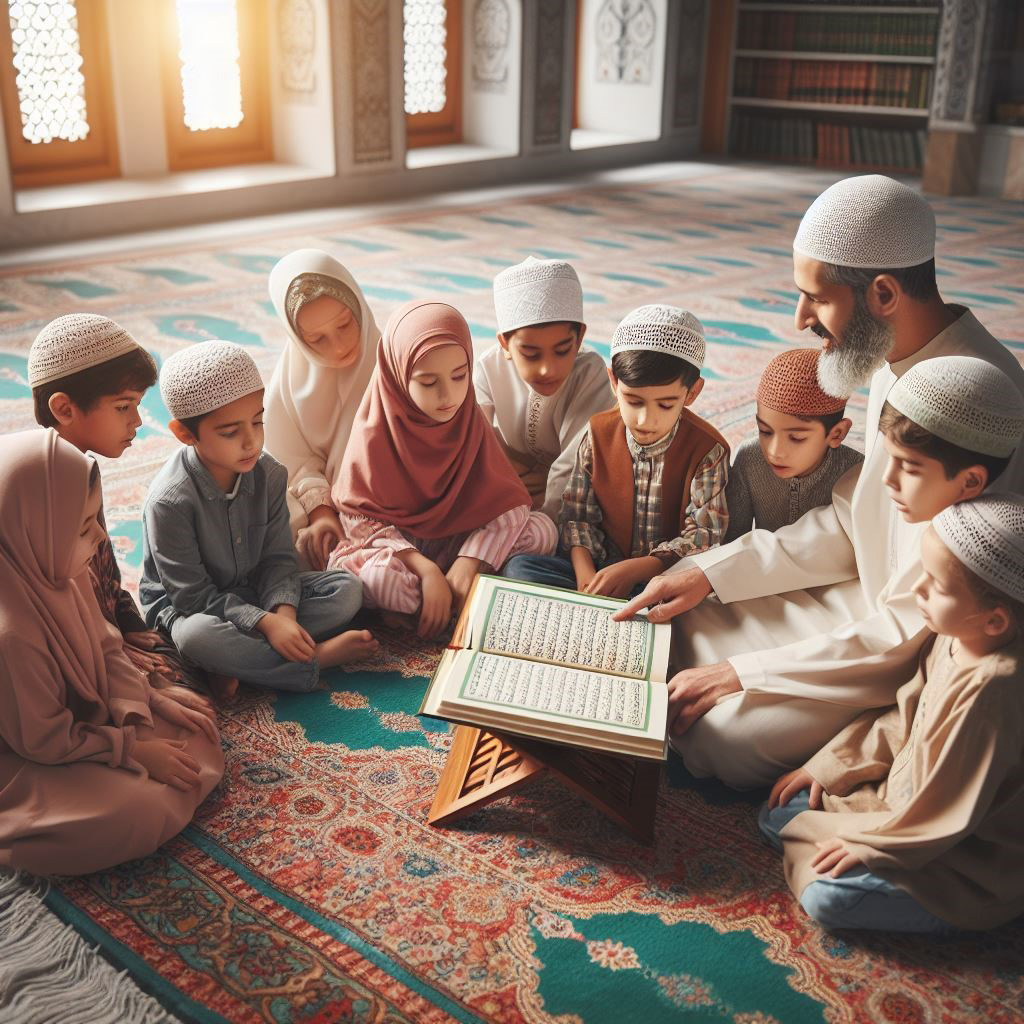
Table of Contents
1. Before Teaching a Single Verse, Help Your Child Love the Quran
Before teaching children how to read or memorize the Quran, it is very important to first help them understand why the Quran is special and meaningful. Children are naturally curious, and when their curiosity is properly guided, it becomes a powerful learning tool.
- Explain in a simple way that the Quran is the Words of Allah (كلام الله)
- Share inspiring stories from the lives of the Prophets عليهم السلام in an engaging way
- Highlight how the Quran provides guidance, peace, and answers in everyday life
- Use real-life examples that children can relate to, such as honesty, kindness, and respect
- Encourage questions and allow children to express their thoughts freely
- Lead by example—when children see parents reading, respecting, and valuing the Quran, they naturally develop the same attitude
- Create a warm and positive environment where the Quran is associated with love, comfort, and calmness rather than pressure or fear
When children understand the purpose behind learning, they become more motivated internally, which leads to stronger long-term commitment.
2. Teach Them the Basics First (The Arabic Alphabet)
A strong foundation in Arabic letters is essential before moving into reading the Quran. If children struggle with the alphabet, it can affect their confidence and progress later. That is why this stage should be slow, clear, and enjoyable rather than rushed.
Learning should focus on recognition first, then pronunciation, and finally reading simple combinations. Using visual and interactive methods helps children stay engaged and reduces frustration.
- Teach letters using visual tools like flashcards and charts
- Practice identifying letters in different word positions
- Use games and interactive activities to make learning fun
- Repeat lessons regularly in short, focused sessions
When children master the basics properly, they find Quran reading much easier and more enjoyable later on.
Don’t let your child struggle with confusing letters. Our Arabic Lessons at Denk Arabisch simplify the alphabet using interactive methods that make the basics feel like play.
3. Focus on Proper Tajweed (Pronunciation)
Tajweed is an essential part of Quran recitation, and introducing it early helps children develop correct pronunciation naturally. At a young age, children learn best through listening and imitation rather than complex rules.
The goal is to expose children to correct recitation gradually so they develop accurate habits over time. Listening to professional Qaris repeatedly helps them internalize the rhythm and pronunciation of the Quran.
- Play clear and slow recitations from expert Qaris
- Encourage children to repeat and imitate what they hear
- Focus on correction through practice, not pressure
- Break difficult sounds into simple steps for better understanding
This method allows children to develop Tajweed naturally without feeling overwhelmed.
A fun and engaging Tajweed course designed especially for children, helping them master correct Quran recitation with ease, confidence, and love for the words of Allah through interactive and step-by-step learning.
4. How Short Surahs Build Confidence and Momentum in Young Learners?
Starting with long Surahs can discourage children and make learning feel difficult. That is why it is better to begin with short Surahs that are easy to memorize and frequently used in daily prayers.
Short Surahs give children quick wins, which increases their confidence and motivation. Once they feel successful, they become more eager to continue learning more.
- Begin with Surahs like Al-Fatiha, Al-Ikhlas, Al-Falaq, and An-Nas
- Divide each Surah into small, manageable parts
- Repeat each section until it is fully memorized
- Celebrate progress to encourage consistency
This step-by-step success builds a strong sense of achievement in children.
5. How to Use All of Your Child’s Senses to Make Quran Memorization Stick?
Children learn more effectively when multiple senses are involved in the learning process. Combining listening, seeing, and physical activity helps information stay in memory longer and makes learning more engaging.
Instead of relying on one method, using different sensory approaches creates a richer learning experience that matches how children naturally learn.
- Auditory learning: listening to Quran recitation during daily routines
- Visual learning: using color-coded Mushafs and illustrations
- Kinesthetic learning: tracing Arabic letters or writing them by hand
- Combining methods to reinforce understanding from different angles
This approach helps children not only memorize but also understand and enjoy what they are learning.
Read also: Quran Learning For Children App – A Comprehensive Guide
6. Building a Quran Routine For Kids That Actually Works
One of the most powerful factors in successful Quran learning for children is consistency. Children learn better through repetition and structure rather than irregular long sessions. A consistent daily routine helps the brain form strong learning habits and reduces resistance over time.
Instead of forcing long study periods, short and regular sessions are far more effective. This approach prevents burnout and keeps the child mentally fresh and engaged. Over time, Quran learning becomes a natural part of their daily schedule, just like eating or sleeping, rather than feeling like a separate task.
- 10–15 minutes daily is more effective than long weekly sessions
- Choose a fixed time that fits naturally into the child’s day
- Keep sessions focused, calm, and free from distractions
- Avoid overwhelming the child with too much information at once
A consistent routine builds discipline gradually while keeping the experience light and manageable.
We know life in Germany is busy. Denk Arabisch offers flexible online sessions that integrate seamlessly into your child’s daily routine, making consistency easier than ever.
7. How to Choose the Learning Environment That Fits Your Child?
The environment in which a child learns the Quran has a direct impact on their focus, motivation, and progress. Some children learn best in structured group settings, while others thrive in flexible and private environments. That is why choosing the right setup is very important.
Online platforms have become especially popular because they combine flexibility with interactive learning tools, while traditional settings like Madrasahs offer strong discipline and direct teacher correction. The best environment is the one that matches the child’s personality and learning style.
- Online classes offer flexibility and allow parents to monitor progress easily
- In-person Madrasahs provide social interaction and direct correction of pronunciation
- Private tutors offer personalized attention and customized learning speed
- Home-based learning apps are great for revision and daily practice
A suitable environment ensures that the child feels comfortable, supported, and confident while learning.
Learn the Quran with Denk Arabisch Academy
Master reading and understanding the Quran through structured and supportive learning
Try a Free Trial8. Why Children Learn More Quran When It Feels Like Play, Not Study?
Children naturally respond to play, rewards, and challenges, which is why gamification is such an effective tool in Quran education. When learning is turned into an interactive and enjoyable experience, children are more likely to stay engaged and motivated.
Gamification helps transform repetition and memorization into exciting milestones. Instead of feeling like a task, learning becomes something children look forward to every day. This emotional shift is extremely important for long-term consistency.
- Use apps that include points, levels, and achievement badges
- Introduce flashcard games for Surahs and Arabic letters
- Reward progress with small incentives like stickers or certificates
- Encourage friendly competition between siblings or friends
This method increases motivation and helps children associate learning with enjoyment rather than pressure.
9. Teaching Children What the Quran Actually Means
One of the most effective ways to deepen a child’s connection with the Quran is to help them understand what they are reciting. When children know the meaning behind the words, memorization becomes easier and more meaningful.
Understanding also helps children visualize stories and lessons from the Quran, which strengthens emotional connection and improves long-term retention. Even simple explanations can make a big difference in how they perceive the Quran.
- Explain Surah meanings in simple and age-appropriate language
- Share short stories from the Quran to make verses relatable
- Help children visualize events mentioned in the Surahs
- Introduce basic Quranic vocabulary gradually over time
When meaning and recitation are connected, children develop both understanding and love for what they are learning.
Go beyond the sounds. With our Quran Course for Children, children learn the core vocabulary of the Quran, allowing them to finally understand what they are reciting.
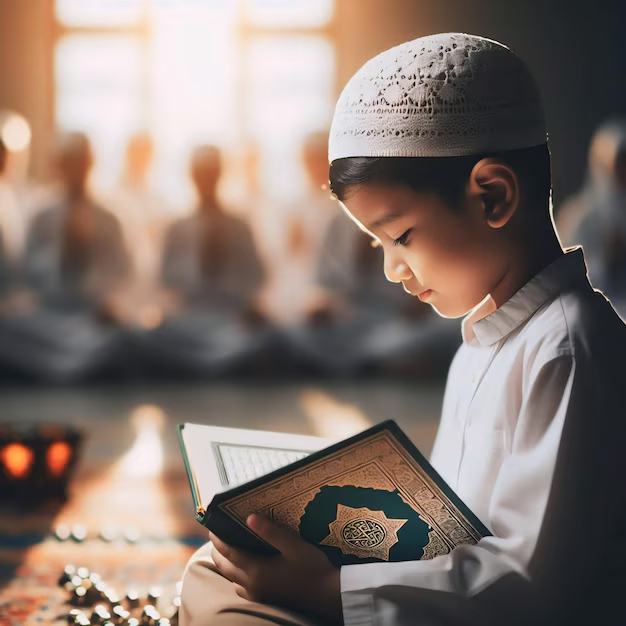
10. How Daily Listening and Repetition Quietly Build a Hafiz Without Pressure?
Listening plays a major role in Quran learning, especially for children. Regular exposure to correct recitation helps them naturally absorb pronunciation, tone, and rhythm without even realizing it. This makes learning smoother and more natural.
Repetition is equally important because it strengthens memory and improves fluency. When children hear and repeat the same verses regularly, they begin to memorize them effortlessly over time.
- Play Quran recitations during everyday activities like meals or travel
- Encourage children to repeat after professional Qaris
- Use slow recitation for beginners to improve clarity and understanding
- Repeat difficult verses multiple times for stronger memorization
This simple habit creates long-term improvement in both memorization and recitation skills.
Read also: Basic Islamic Beliefs For Kids – A Complete Guide To Faith
11. Why Patience Is the Most Powerful Teaching Tool You Have?
Patience is one of the most important qualities in teaching children the Quran. Every child learns at a different pace, and comparing them or rushing the process can reduce motivation and confidence.
A supportive and calm environment helps children feel safe to learn, make mistakes, and improve gradually. Emotional encouragement is often more powerful than strict correction.
- Celebrate small achievements consistently
- Focus on effort and improvement, not perfection
- Avoid pressure or negative criticism
- Encourage children even when progress is slow
A positive environment builds confidence and helps children develop a genuine love for learning the Quran.
12. How a Qualified Quran Teacher Transforms Your Child’s Progress?
While parents play a major role, a qualified teacher can significantly enhance a child’s learning experience. Professional teachers bring structure, experience, and proper methodology that ensure correct learning from the beginning.
A good teacher also helps identify mistakes early and correct them before they become habits. This is especially important in Tajweed and pronunciation.
- Teachers should have experience in teaching children specifically
- Structured lesson plans ensure steady progress
- Focus on both memorization and Tajweed correction
- Provide personalized feedback based on the child’s level
Having a skilled teacher can accelerate progress and improve learning quality significantly.
Read also: Is Listening To The Quran Equal To Reading It In Reward? – A Complete Guide
13. You Are Your Child’s First and Most Powerful Quran Teacher
Children are highly influenced by what they see rather than what they are told. When parents actively engage with the Quran in their daily lives, children naturally begin to value it more.
Being a role model does not require perfection, but consistency and sincerity. Even small actions can have a strong impact on how children perceive the Quran.
- Read or listen to the Quran regularly in front of your child
- Show respect and focus during recitation times
- Make Quran part of the family’s daily routine
- Demonstrate consistency in Islamic practices
When children see the Quran as a natural part of family life, they develop a stronger emotional connection to it.
Summary of the Learning Path
| Stage | Focus Area | Recommended Tools |
| Foundation | Arabic Alphabet (Qaida) | Noorani Qaida, Flashcards |
| Fluency | Joining Letters & Vowels | Short Surahs (Juz Amma) |
| Deepening | Tajweed & Basic Tafsir | Interactive Apps, Illustrated Books |
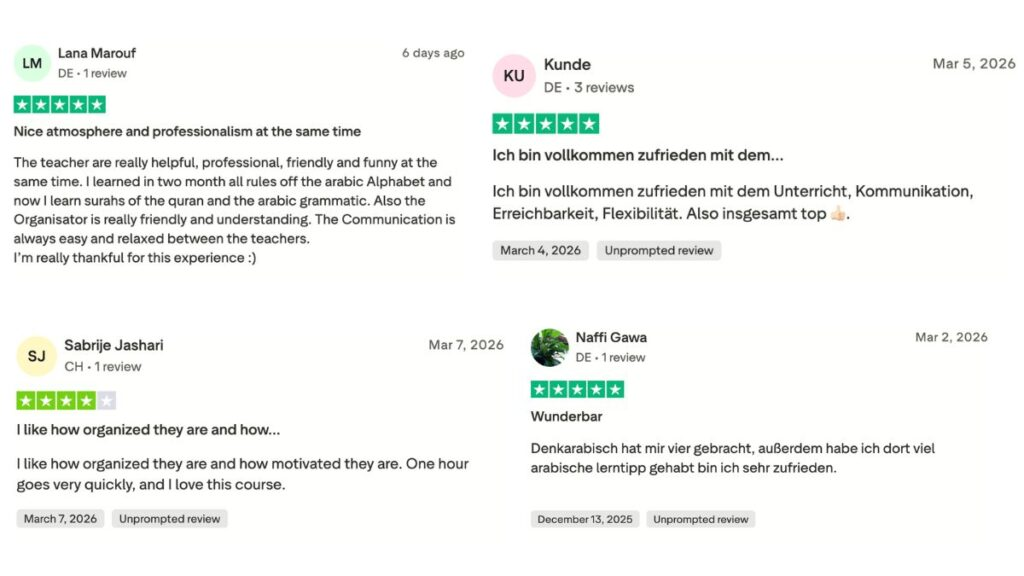
What Our Students Say About Denk Arabisch Academy
See what our students say about learning at Denk Arabisch Academy on Trustpilot. Read their experiences and check out more reviews to discover how our courses help improve Arabic.
Stop Compromising on Your Child’s Faith Future!
Are you tired of seeing your children spend hours on apps and games while their Quranic progress stays stagnant? The reality is, standard classes often fail German-speaking children because they don’t bridge the language gap.
At Denk Arabisch, we don’t just teach; we transform. We provide a world-class Islamic education tailored specifically for the German-speaking community.
Why settle for average when you can have the best?
- Language-Specific Pedagogy: We speak your child’s language (German), ensuring no concept is lost in translation.
- Qualified Specialists: Our teachers aren’t just experts in the Quran; they are experts in teaching children.
- Modern Interactive Platforms: We use the latest technology to ensure your child is engaged, not bored.
The clock is ticking, and the habits your child forms today will shape their character for a lifetime. At Denk Arabisch, we believe every moment is an opportunity to connect your child with their heritage through professional and authentic education. Don’t wait for “next year”—empower them with the language and spiritual foundation they deserve today.
Our Specialized Courses for German-Speaking Children:
- Arabic Lessons For German-Speaking Children: Tailored to bridge the language gap perfectly for native German speakers.
- Tajweed Course For German-Speaking Children: Helping your child master the beautiful art of recitation with expert native tutors.
- Quran Course For German-Speaking Children: A structured path to ensure your child grows up with the light of the Quran in their heart.
👉 Register Now for a Trial Lesson at Denk Arabisch and Secure Your Child’s Future!
Learn the Quran with Denk Arabisch Academy
Master reading and understanding the Quran through structured and supportive learning
Try a Free TrialConclusion
Teaching the Quran to children is a journey that requires patience, consistency, and sincere intention. There will be moments of progress and moments of challenge—but every small step your child takes brings them closer to a deeper connection with their faith.
Remember, the goal is not perfection, but connection. When children grow up loving the Quran, understanding its message, and feeling its impact in their hearts, the results last far beyond childhood. Stay positive, keep the experience enjoyable, and trust that your efforts today will shape a strong, faith-filled future for your child.
FAQs
1. At what age should children start learning the Quran?
Children can start as early as 4 to 6 years old with simple exposure to Arabic letters, listening to recitation, and short Surahs. Formal memorization usually becomes easier around age 6–7.
2. How long should a child study the Quran each day?
Short and consistent sessions are best:
Ages 4–6: 10–15 minutes daily
Ages 7–10: 20–30 minutes daily
Regular practice is more effective than long, tiring sessions.
3. What is the best way to help kids memorize the Quran?
The most effective methods include:
Repetition and listening to recitations
Breaking Surahs into small parts
Daily revision
Using visual and interactive tools like flashcards or apps
4. Do children need to learn Tajweed from the beginning?
Yes, but in a simple and gradual way. Kids should first focus on correct pronunciation, then slowly learn basic Tajweed rules as they progress.
5. Should parents teach the Quran themselves or hire a teacher?
Both options work. Parents can start at home, but a qualified Quran teacher (online or in-person) can help with proper pronunciation, structure, and consistency—especially if parents are not confident in Tajweed.
6. What if my child loses interest in learning the Quran?
It’s normal. Try:
Making lessons more fun and interactive
Using rewards and encouragement
Changing the learning environment
Focusing on stories and meanings instead of only memorization