Raising children with strong Islamic manners is one of the most beautiful responsibilities parents and teachers can have. In Islam, good manners are not simply “good behavior.” They are acts of worship that bring a child closer to Allah and help create a kind, respectful, and caring society.
The Prophet Muhammad ﷺ was known for his excellent character. Allah says in the Quran that he had the highest standard of manners and behavior. Because of this, Muslim parents are encouraged to teach children Islamic values from a young age so they grow up with kindness, honesty, patience, and respect.
In today’s world, children are influenced by school, social media, television, and friends. This makes it even more important to teach Islamic manners at home. When kids learn adab (good manners) early, these habits stay with them for life.
This article explores the importance of Islamic manners for kids, the key manners every Muslim child should learn, and simple ways parents can teach these values in daily life.
Table of Contents
Why Islamic Manners Are Important for Kids
Islam places great importance on character. The Prophet Muhammad ﷺ said that the best among people are those with the best manners.
Teaching Islamic manners helps children:
- Build a strong Islamic identity
- Respect parents, elders, and others
- Develop self-discipline
- Become kind and trustworthy individuals
- Create healthy friendships and relationships
- Earn rewards from Allah
Good manners also help children succeed socially and emotionally. Kids who are polite, patient, and respectful are often more confident and better at handling challenges.
1. Greeting Habit in Islam
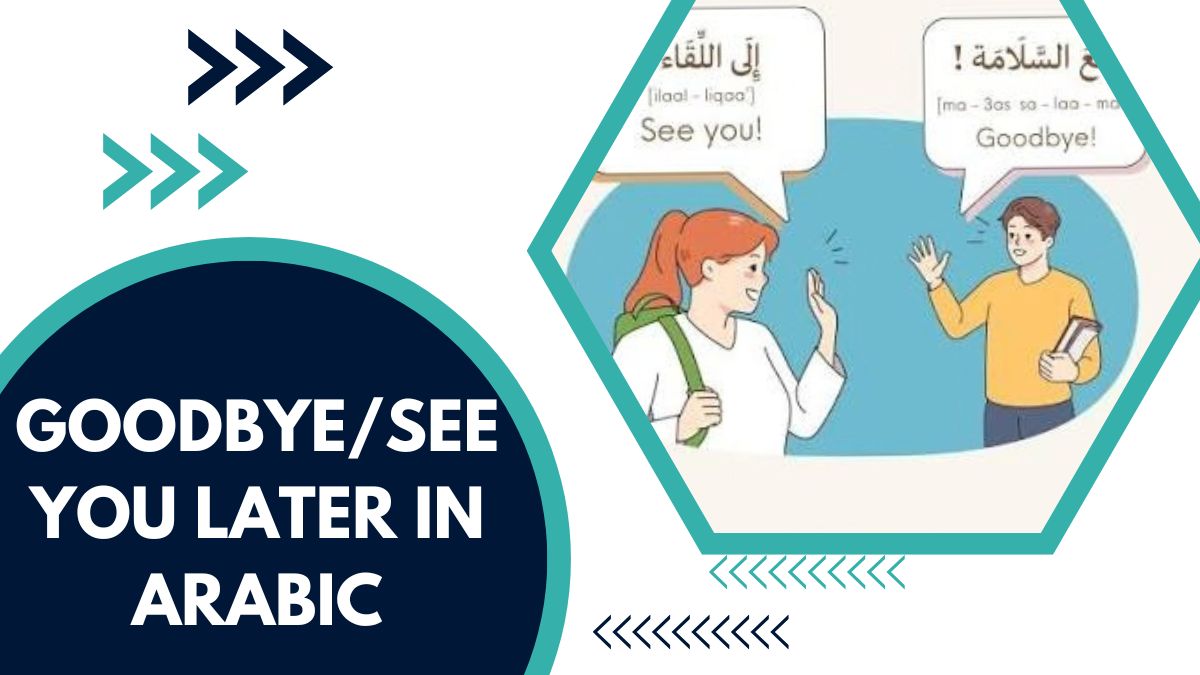
One of the first Islamic manners children should learn is saying:
السلام عليكم
(Peace be upon you)
Transliteration: “Assalamu Alaikum”
Greeting others with salam spreads love, peace, and brotherhood among Muslims. It is a simple phrase, but it carries a beautiful meaning and great rewards in Islam. Teaching children to say salam from an early age helps them develop confidence, kindness, and respect for others.
Children should be encouraged to say salam when:
- Entering the house
- Meeting family members
- Seeing friends
- Visiting relatives
- Arriving at school or mosque
- Joining gatherings or playgroups
Parents can make this a daily habit by warmly greeting their children every morning and whenever they return home. Over time, children naturally begin copying this behavior.
Teaching salam also helps children understand the importance of spreading peace and positivity wherever they go. Instead of ignoring people or starting conversations rudely, kids learn to greet others politely and respectfully.
Benefits of Teaching Salam
- Encourages friendliness and social confidence
- Helps shy children interact politely
- Strengthens Muslim identity
- Teaches respect and kindness
- Creates a loving atmosphere at home
- Reminds children of Islamic values throughout the day
Children also learn that replying to salam is an Islamic duty, which teaches responsibility and respect toward others.
Give your family the ultimate gift of bilingualism and watch your child thrive when you enroll them in Arabic Classes for Kids at Denk Arabsich to build real confidence and native-level fluency from day one.
2. Teach Children to Respect and Honor Their Parents
Respecting parents is one of the greatest teachings in Islam. Allah often mentions worshiping Him alongside kindness to parents in the Quran, showing how important this relationship is.
Children should grow up understanding that parents sacrifice time, energy, and love for their families every day. Islam teaches kids to appreciate these efforts and treat their parents with gentleness and gratitude.
Kids should learn to:
- Speak politely to parents
- Listen carefully when parents talk
- Avoid rude words or shouting
- Help with household tasks
- Show gratitude and love
- Ask permission respectfully
- Respond calmly during disagreements
Parents can teach this by becoming gentle role models themselves. Children usually copy actions more than instructions, so respectful communication inside the home has a huge impact.
Simple Ways Kids Can Respect Parents
- Saying “please” and “thank you”
- Helping clean the house
- Making dua for parents
- Obeying reasonable instructions
- Avoiding arguing or bad attitudes
- Spending quality time with parents
- Offering help without being asked every time
Teaching respect at a young age creates a peaceful family environment and strengthens emotional bonds between parents and children.
Children should also understand that respecting parents is not limited to childhood. Islam encourages Muslims to honor and care for their parents throughout their entire lives.
3. Raising an Honest Child
Honesty is one of the most important Islamic manners for children. The Prophet Muhammad ﷺ was known as “Al-Amin”, meaning “the trustworthy one.” Even before prophethood, people trusted him because of his honesty and good character.
Kids should understand that lying can hurt relationships and damage trust, even if the lie seems small or harmless.
Teaching honesty early helps children become responsible and trustworthy adults in the future.
How to Teach Honesty to Kids
- Praise children when they tell the truth
- Avoid overly harsh punishment when kids admit mistakes
- Tell Islamic stories about honesty and trustworthiness
- Be truthful as parents and teachers
- Encourage children to admit mistakes calmly
- Explain why honesty matters in friendships and family life
Sometimes children lie because they fear punishment. Creating a safe environment where kids can speak honestly helps them feel secure and confident.
Parents can also teach honesty through everyday situations, such as returning lost items, keeping promises, and speaking truthfully in front of children.
Children who grow up valuing honesty often become dependable friends, responsible students, and trustworthy members of society.
4. Treat children with patience, love, and gentleness
Islam teaches Muslims to be merciful and compassionate toward everyone — family members, friends, neighbors, animals, and even strangers.
Children naturally learn kindness when they see it practiced regularly at home.
Kids can practice kindness by:
- Sharing toys with siblings and friends
- Helping classmates at school
- Speaking gently to younger children
- Caring for younger siblings
- Feeding animals or birds
- Visiting sick relatives
- Comforting upset friends
- Including lonely children in games and activities
Teaching kindness helps children develop empathy and emotional intelligence. They learn to think about other people’s feelings instead of focusing only on themselves.
The Prophet ﷺ as a Role Model
The Prophet Muhammad ﷺ treated children with patience, love, and gentleness. He greeted children warmly, played with them, and listened to them with kindness.
He also showed mercy toward animals and forgave people who treated him badly. Sharing stories from his life helps children understand what kindness looks like in real situations.
Parents can ask children simple questions after stories, such as:
- “How do you think that person felt?”
- “What would you do in this situation?”
- “How can we copy this kindness today?”
These conversations help Islamic values become practical habits instead of just lessons.
5. Teaching Children Islamic Eating Manners With Gratitude and Mindfulness
Islam teaches beautiful etiquette for eating and drinking. These manners help children become grateful, disciplined, and mindful of Allah’s blessings.
Mealtimes are also an excellent opportunity for parents to teach sunnahs naturally and consistently.
Important Eating Manners for Kids
Children should learn to:
- Say “Bismillah” before eating
- Eat with the right hand
- Avoid wasting food
- Sit properly while eating
- Thank Allah after meals
- Share food with others
- Eat slowly and calmly
- Avoid criticizing food
Parents can make mealtimes fun and educational by gently reminding children about these sunnahs without turning meals into stressful moments.
Teaching food manners also helps children appreciate the blessings they have and avoid becoming wasteful or ungrateful.
Kids should understand that many people around the world struggle to find food, which encourages compassion and gratitude.
6. Teach Patience Step by Step?
Patience (Sabr) is one of the most valuable qualities in Islam. Since children are still learning emotional control, patience takes time, practice, and consistency to develop.
Children often become upset when things do not happen immediately, so parents should guide them calmly rather than expecting perfection instantly.
Ways to Teach Patience
- Encourage children to wait calmly for turns
- Teach kids not to interrupt conversations
- Praise self-control and calm behavior
- Share Quranic stories about patience
- Model calm behavior at home
- Avoid rewarding tantrums immediately
- Teach problem-solving instead of angry reactions
Parents can also teach patience through small daily routines, such as waiting before opening gifts, standing patiently in lines, or completing tasks step by step.
Children who develop patience often handle disappointment, stress, and social situations much better as they grow older.
Patience also helps children become emotionally stronger and more resilient during difficult times.
Transform your daily screen time into a deeply rewarding spiritual habit with an online Quran Course for Kids at Denk Arabsich that fits effortlessly into your family’s hectic weekly routine.
Read also: Five Pillars Of Islam For Kids
7. Teach Children To Respect Elders and Teachers This Makes Children Better Learners and Stronger Muslims
Islam encourages children to honor older people and respect teachers because these relationships are built on gratitude, learning, and good character.
Kids should learn to:
- Listen carefully when elders speak
- Avoid interrupting adults
- Use polite language
- Offer help to older family members
- Thank teachers for their efforts
- Show good manners in classrooms
- Respect school rules and responsibilities
Respect creates stronger communities and healthier relationships.
When children respect teachers, they often become more focused learners and better students overall. Similarly, honoring grandparents and elders helps children value family connections and wisdom.
Parents can encourage this by teaching children to greet elders warmly, offer seats to older people, and speak with patience and politeness.
These small habits build humility, compassion, and maturity over time.
8. Raising Clean and Responsible Children Through the Islamic Value of Tahara
Cleanliness is an important part of Islamic teachings. The Prophet ﷺ encouraged Muslims to stay clean in their bodies, clothes, homes, and surroundings. In Islam, cleanliness is connected to both physical health and spiritual purity.
Teaching children clean habits from a young age helps them become responsible, organized, and mindful individuals. Kids also learn that caring for their hygiene is part of respecting themselves and others.
Clean Habits Kids Should Learn
Children should be encouraged to:
- Wash their hands regularly
- Brush their teeth daily
- Keep their clothes clean
- Clean up toys after اللعب
- Maintain personal hygiene
- Keep bedrooms tidy
- Throw trash in the proper place
- Cover their mouths when sneezing or coughing
Parents can make cleanliness enjoyable by using routines, reward systems, and gentle reminders instead of constant criticism.
Teaching cleanliness also helps children stay healthy and organized. It builds discipline and encourages them to take responsibility for their belongings and personal space.
Kids should also understand that Islam encourages Muslims to care for public places, schools, parks, and masjids by keeping them clean and respecting shared spaces.
Study Islamic knowledge with Denk Arabisch Academy
Deepen your understanding of Islam through authentic and structured learning
Try a Free Trial9. Teaching Children to Speak with Kindness – Islamic Manners of Words and Communication
Words have a powerful effect on people’s feelings and relationships. Islam teaches children to speak kindly, respectfully, and thoughtfully.
Good speech is not only about avoiding bad words — it is also about using language that spreads peace, kindness, and encouragement.
Islamic Speech Manners
Teach kids to:
- Avoid yelling or shouting
- Say kind and respectful words
- Speak politely to adults and friends
- Avoid gossip, teasing, and insults
- Think before speaking
- Apologize when they hurt someone’s feelings
- Use Islamic phrases in daily life
Children can also learn beautiful Islamic expressions such as:
- Alhamdulillah
- InshaAllah
- JazakAllah Khair
- Bismillah
- “Please” and “Thank you”
Positive speech helps children build stronger friendships and better communication skills. Kids who learn respectful communication often become more confident and emotionally intelligent.
Parents should also avoid speaking harshly at home because children usually repeat the language they hear regularly.
Go completely beyond rote memorization and give your children a vibrant, practical Islamic Studies Course at Denk Arabisch that helps them truly understand and live their faith every day.
10. How to Raise a Grateful Child Who Appreciates Allah’s Blessings in Daily Life?
Gratitude is one of the most beautiful qualities a Muslim child can develop. Islam teaches Muslims to appreciate blessings and thank Allah in all situations.
Children who practice gratitude often become happier, calmer, and less focused on material things.
Parents Can Teach Gratitude by Encouraging Kids To:
- Thank Allah every day
- Appreciate food, clothing, and shelter
- Thank people for acts of kindness
- Avoid excessive complaining
- Recognize blessings others may not have
- Make dua with thankful hearts
Simple family habits can help children develop gratitude naturally. For example, parents can ask children each night to mention three blessings they are thankful for.
Teaching gratitude also helps reduce jealousy and selfishness. Children learn to focus on what they have instead of constantly comparing themselves to others.
Grateful children are often more positive, respectful, and emotionally balanced.
11. Building Healthy Relationships – Islamic Manners Children Should Practice With Siblings and Friends
Children spend a large part of their lives interacting with siblings and friends, making these relationships important opportunities to practice Islamic manners.
Conflicts between children are normal, but Islam teaches kids how to handle disagreements respectfully and fairly.
Teach Kids To:
- Share fairly with others
- Avoid bullying or teasing
- Apologize when they are wrong
- Forgive others after mistakes
- Include lonely children in activities
- Speak kindly during disagreements
- Respect personal boundaries
- Avoid jealousy and unfairness
Parents can teach children that strong friendships are built on kindness, honesty, patience, and forgiveness.
Sibling relationships are especially important because they often shape a child’s behavior and emotional development. Encouraging teamwork and cooperation at home creates stronger family bonds.
Children who learn healthy social manners are more likely to develop lasting friendships and positive communication skills later in life.
12. Teach Muslim Children To Represent Islamic Values Through Their Behavior at School
School is one of the main places where children interact with people from different backgrounds and personalities. It is also a place where children can represent Islamic values through their actions and behavior.
Muslim children should learn to:
- Respect classmates and teachers
- Follow school rules honestly
- Complete assignments responsibly
- Avoid cheating during tests or homework
- Be helpful and polite
- Treat everyone fairly
- Speak respectfully in class
- Represent Islam positively through behavior
Good manners at school can become a form of dawah. Sometimes a child’s honesty, kindness, or respect leaves a stronger impression than words alone.
Parents should remind children that being a good Muslim includes having good character everywhere — not only at home or in the masjid.
Children who develop responsibility and discipline in school often carry these qualities into adulthood.
Read also: Islamic Teachings For Kids – Building Strong Faith And Good Character
13. Let Your Kids Watch Their Parents, Not Listening to Lectures
Children learn more from watching adults than from listening to lectures. Parents who display patience, honesty, kindness, and respect naturally teach these values to their children every day.
If adults constantly yell while telling children to stay calm, kids become confused. Strong role modeling is one of the most effective ways to teach Islamic manners.
Ways Parents Can Lead by Example
- Speak respectfully to others
- Admit mistakes honestly
- Show patience during stressful moments
- Practice gratitude regularly
- Use Islamic phrases naturally
- Treat neighbors and relatives kindly
- Control anger during disagreements
- Show generosity and compassion
Children notice small actions more than long speeches. A child who watches parents helping others, speaking kindly, and apologizing sincerely is more likely to copy those behaviors naturally.
Good parenting in Islam is not based only on instructions — it is based on daily example and consistent character.
14. Using Quran and Seerah Stories to Teach Children Islamic Values
Children love stories, and storytelling is one of the most effective ways to teach values in a memorable and enjoyable way.
Stories from the Quran and the lives of the Prophets and companions help children connect emotionally with Islamic teachings.
These stories can teach values such as:
- Courage
- Mercy
- Honesty
- Patience
- Forgiveness
- Generosity
- Humility
- Trust in Allah
Parents can make storytime interactive by asking children questions and encouraging discussions about lessons learned.
Storytelling also strengthens the emotional connection between parents and children while helping kids understand Islamic manners in practical situations.
Many children remember lessons from stories much longer than lessons from lectures.
Help your little ones perfect their Makharij and recite the Holy Book beautifully by enrolling them in a dedicated Tajweed Course for Kids at Denk Arabsich right from the comfort of home.
15. Positive Reinforcement Builds Lasting Islamic Manners in Kids
Children respond strongly to encouragement, praise, and appreciation. Constant criticism may discourage them, while positive reinforcement motivates them to improve.
Instead of focusing only on mistakes, parents should notice and celebrate good behavior regularly.
Examples of Positive Reinforcement
- Praising polite behavior
- Rewarding honesty
- Encouraging acts of kindness
- Complimenting patience and sharing
- Thanking children for helping others
- Recognizing effort, not only perfection
Positive reinforcement helps children feel confident and motivated to continue practicing good manners.
Simple praise such as “I’m proud of how kindly you spoke today” can have a powerful impact on a child’s self-esteem and behavior.
16. The Islamic Approach to Correcting Children Without Harshness
Islam teaches balance in parenting. Children need guidance and discipline, but they also need mercy, patience, and emotional support.
Harsh parenting may create fear, but it does not always build sincere character. Gentle correction combined with consistency is usually more effective over time.
Parents should remember that learning manners is a gradual process. Children will make mistakes, forget rules, and struggle sometimes — and that is a normal part of growing up.
Correcting children calmly helps them feel safe while still understanding boundaries and expectations.
Islam encourages compassion in parenting because children learn best in environments filled with love, patience, and trust.
How to Teach Muslim Children Good Manners Online and in the Digital World?
Modern children spend significant time online using phones, tablets, games, and social media. Because of this, Islamic manners should also apply to digital behavior.
Teach Kids To:
- Speak respectfully online
- Avoid harmful or inappropriate content
- Limit unnecessary screen time
- Use technology responsibly
- Avoid cyberbullying
- Protect personal privacy
- Verify information before sharing it
- Balance technology with real-life activities
Parents should guide children gently and stay involved in their online activities instead of relying only on restrictions.
Teaching digital manners helps children become safer, wiser, and more responsible internet users.
Making Islamic Manners Fun for Kids
Teaching manners does not have to feel strict or boring. Children learn best when lessons are engaging, interactive, and enjoyable.
Parents can make learning fun through:
- Reward charts
- Islamic games
- Storytelling sessions
- Family challenges
- Role-playing activities
- Nasheeds and educational videos
- Craft projects and coloring activities
- Daily “good deed” goals
When children enjoy learning, they are more likely to remember and practice Islamic manners consistently.
Creating positive experiences around Islamic teachings also helps children develop love for their religion instead of viewing it only as rules and restrictions.
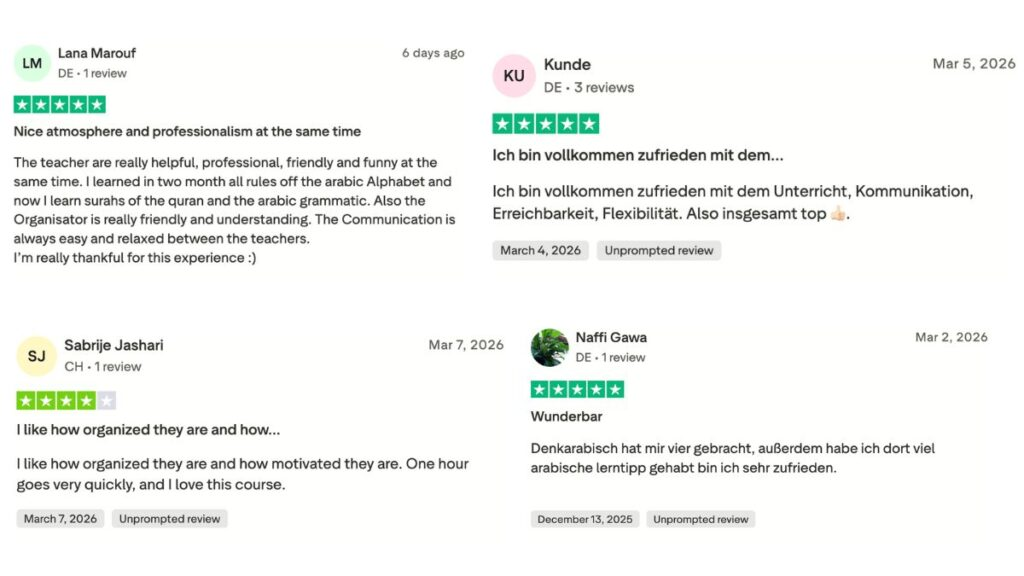
What Our Students Say About Denk Arabisch Academy
See what our students say about learning at Denk Arabisch Academy on Trustpilot. Read their experiences and check out more reviews to discover how our courses help improve Arabic.
Don’t Wait Until It’s Too Late – Seats Are Vanishing Fast at Denk Arabisch!
Do you want your child to speak Arabic fluently, recite the Quran flawlessly with Tajweed, and build a rock-solid pride in their Islamic identity? The clock is ticking, and the choice you make today shapes their tomorrow.
Our exclusive online live courses are strictly limited and filling up fast for the upcoming term. Every single day you delay is a day your child misses out on building their core foundation. Don’t wait until the semester starts only to find yourself stuck on a closed waiting list!
Why Denk Arabisch is the FIRST & ONLY Choice for Your Family:
- Guaranteed, Visible Progress: No more boring, endless PDFs or outdated teaching methods. Our interactive, structured curricula ensure you see real, measurable transformation from the very first weeks.
- Elite Native Instructors: We don’t just hire teachers; we handpick mentors who know exactly how to captivate young minds, gamify learning, and make your child genuinely look forward to every class.
- 100% Seamless & Safe: Save your time, eliminate the stress of commutes, and enjoy flexible scheduling that fits perfectly into your busy family routine—right from the comfort of your home.
Our Courses For Your Kid:
Act Now – The Last Remaining Spots Are Being Booked Right This Second!
Investing in your child’s language and faith isn’t something that can wait for “next time.” Once these live cohorts are full, registration closes completely.
Give your child the ultimate advantage before it’s too late. Claim your free trial lesson right now and watch them thrive!
👉 [Secure Your Child’s Spot Right Now & Start the Journey!]
Study Islamic knowledge with Denk Arabisch Academy
Deepen your understanding of Islam through authentic and structured learning
Try a Free TrialConclusion
Islamic manners for kids are about much more than rules and discipline. They help children build strong faith, healthy relationships, emotional intelligence, and beautiful character.
When children learn kindness, honesty, patience, gratitude, and respect from an early age, these qualities shape who they become as adults.
Teaching good manners takes patience, consistency, and love. Parents and teachers do not need to be perfect — they simply need to continue guiding children gently toward the values taught in Islam.
The goal is not only to raise children who behave well in public, but children whose hearts are filled with compassion, sincerity, humility, and awareness of Allah.
Small daily habits — saying salam, helping others, speaking kindly, and showing gratitude — may seem simple, but they slowly build strong Islamic character over time.
And there is something truly beautiful about watching a child practice these manners sincerely. A small voice saying “Assalamu Alaikum,” tiny hands helping clean the table, or a child sharing food with a sibling are reminders that good character begins with small actions taught with love.
FAQs
1. Why are Islamic manners important for children?
Islamic manners help children develop strong character, kindness, honesty, patience, and respect for others. They also strengthen a child’s relationship with Allah and help them grow into responsible and compassionate adults.
2. At what age should children start learning Islamic manners?
Children can begin learning simple Islamic manners from a very young age, even as toddlers. Basic habits such as saying “Bismillah,” greeting others with salam, and sharing with siblings can be introduced early through repetition and gentle guidance.
3. How can parents teach Islamic manners effectively?
Parents can teach Islamic manners by leading through example, using positive reinforcement, telling Islamic stories, and practicing good habits consistently at home. Children often learn more from watching behavior than from lectures.
4. What are the most important Islamic manners for kids?
Some of the most important Islamic manners for children include:
Respecting parents and elders
Speaking kindly
Being honest
Showing gratitude
Practicing patience
Keeping clean
Sharing with others
Saying salam
Following good eating manners
These habits help children build strong Islamic character.
5. How do Islamic manners help children socially?
Good manners help children build healthy friendships, communicate respectfully, and handle disagreements calmly. Kids with strong manners are often more confident, cooperative, and emotionally aware in social situations.