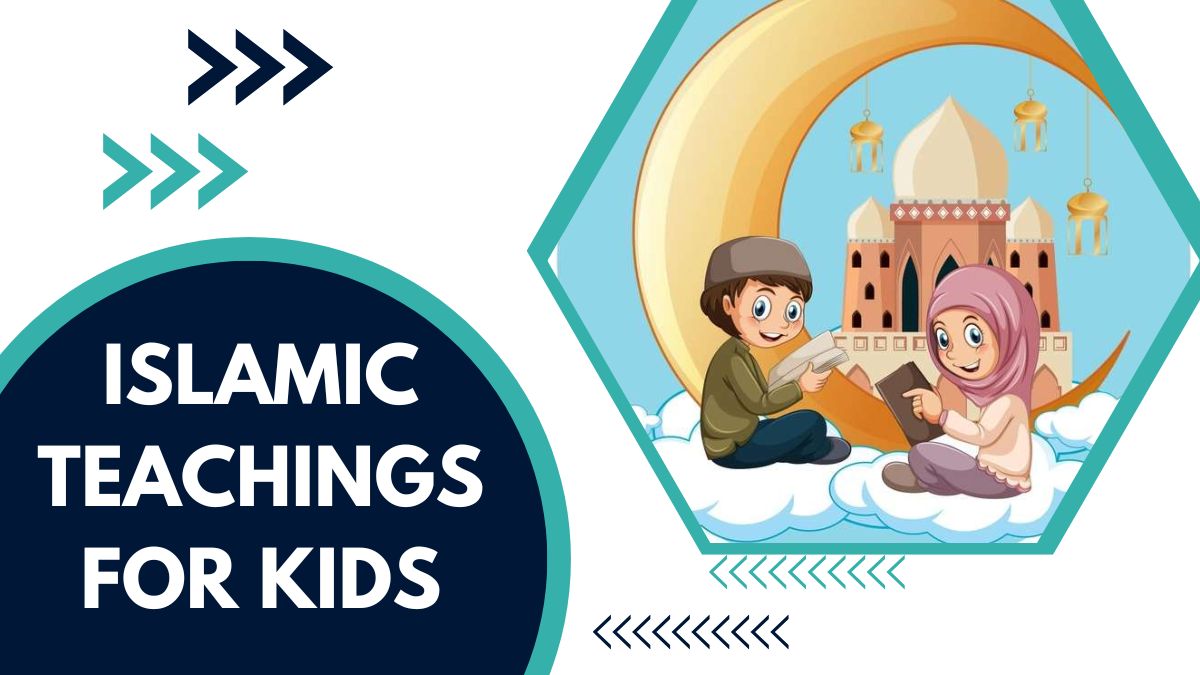
Teaching children about Islam from an early age helps them grow into kind, respectful, and faithful individuals. Islamic teachings for kids are not only about learning prayers and Quran verses — they also include good manners, honesty, compassion, gratitude, and respect for others. When children understand Islamic values in a simple and engaging way, they develop a strong connection with Allah and learn how to live a meaningful life.
In today’s fast-changing world, parents and teachers play an important role in helping children understand the beauty of Islam. By introducing Islamic teachings through stories, daily habits, and fun activities, children can enjoy learning their religion while building strong moral character.
Table of Contents
1. Teaching Kids About Allah
One of the first Islamic teachings for kids is learning about Allah. Children should understand that Allah is the Creator of everything — the sky, animals, plants, people, oceans, stars, and the entire universe. Helping children recognize Allah’s blessings from an early age strengthens their faith and builds gratitude in their hearts.
Parents can teach children about Allah in simple and engaging ways by showing them the beauty of nature and explaining that all blessings come from Him. For example:
- The sun gives us light and warmth because Allah created it.
- Rain helps plants and trees grow by Allah’s mercy.
- Food, family, and health are blessings from Allah.
- Birds, flowers, and animals are signs of Allah’s creativity and power.
Children also enjoy learning the beautiful names of Allah, such as Ar-Rahman (The Most Merciful) and Al-Khaliq (The Creator). Explaining these names in easy language helps children understand Allah’s love, mercy, and greatness.
Teaching children to say phrases like “Alhamdulillah” (Praise be to Allah), “Bismillah” (In the name of Allah), and “SubhanAllah” (Glory be to Allah) helps them remember Allah throughout their daily lives. Parents can encourage kids to say these phrases before eating, after finishing tasks, or when they see something beautiful.
It is also important to teach children that Allah loves those who are kind, honest, patient, and respectful. When children connect good behavior with pleasing Allah, they become more motivated to practice Islamic values naturally.
Help your little ones perfect their Makharij and recite the Holy Book beautifully by enrolling them in a dedicated Tajweed Course For Kids at Denk Arabisch right from the comfort of home.
2. The Importance of Salah for Children
Salah (prayer) is one of the most important pillars of Islam. Teaching children to pray from a young age helps them build discipline, responsibility, and a strong relationship with Allah. Prayer gives children spiritual comfort and teaches them the importance of remembering Allah every day.
Parents should introduce prayer gradually and make it enjoyable instead of forcing it. Young children can start by:
- Watching parents pray
- Learning simple duas
- Memorizing short surahs
- Practicing prayer movements
- Wearing special prayer clothes or using a prayer mat
Creating a peaceful and positive environment around salah helps children develop love for prayer. Parents can pray together as a family and gently encourage children to join without pressure.
Encouraging children with praise and positive reinforcement makes learning salah easier and more enjoyable. Small rewards, stickers, or encouragement can motivate children to stay consistent.
Children should also understand why Muslims pray. Salah is not only a religious duty but also a way to communicate with Allah, ask for guidance, seek forgiveness, and feel peace in the heart. Teaching kids that prayer helps them during happiness and difficulties can make salah more meaningful to them.
As children grow older, they can gradually learn the names of the five daily prayers, the importance of praying on time, and the spiritual benefits of staying connected to Allah through worship.
3. Teaching Good Manners in Islam
Islam places great importance on good manners and character. The Prophet Muhammad (peace be upon him) was known for his honesty, kindness, patience, generosity, and mercy toward everyone. Teaching children Islamic manners helps them become respectful and compassionate individuals.
Some important Islamic manners children should learn include:
A. Honesty
Kids should understand the value of telling the truth, even when it is difficult. Islam teaches that honesty leads to trust, strong relationships, and goodness. Parents can encourage honesty by praising truthful behavior and teaching children that Allah loves truthful people.
B. Respect for Parents
Islam commands children to respect and obey their parents. Saying kind words, helping at home, listening carefully, and showing gratitude are examples of good behavior. Children should also learn to appreciate the sacrifices parents make for them every day.
C. Kindness to Others
Children should learn to be gentle and caring toward friends, siblings, neighbors, animals, and even strangers. Simple acts like sharing food, helping classmates, and comforting others teach compassion and empathy.
D. Sharing and Generosity
Teaching children to share toys, food, and time helps them develop generosity and care for others. Islam encourages Muslims to help people in need and avoid selfishness.
E. Patience
Islam encourages patience during difficult situations. Children can learn patience by waiting calmly, controlling anger, and trusting Allah when things do not go their way. Parents can teach patience through everyday situations and gentle reminders.
F. Cleanliness
Islam values cleanliness as an important part of faith. Children should learn personal hygiene habits such as washing hands, brushing teeth, wearing clean clothes, and keeping their surroundings tidy.
By practicing these manners daily, children develop strong Islamic character and positive social behavior.
4. Quran Learning for Kids
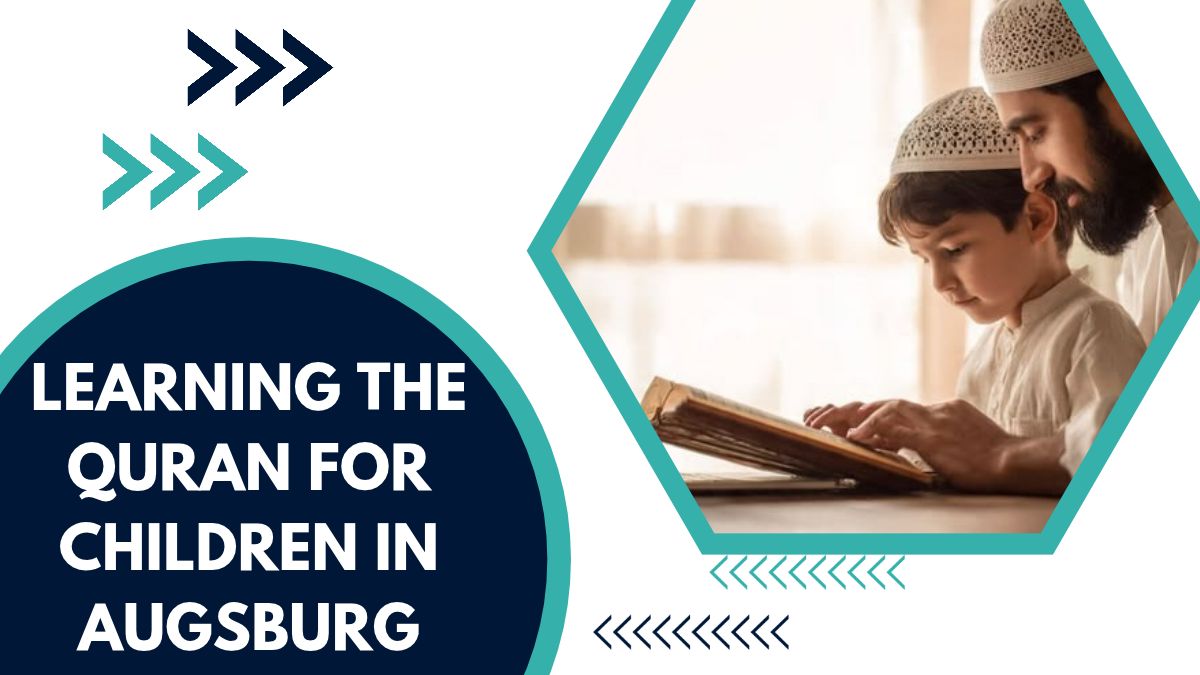
The Quran is the holy book of Islam and an essential part of Islamic education. Introducing children to the Quran early helps them develop love and respect for Allah’s words. Quran learning also strengthens faith and improves children’s understanding of Islamic teachings.
Quran learning for kids can include:
- Listening to Quran recitation
- Memorizing short surahs
- Understanding simple meanings
- Learning Arabic letters and pronunciation
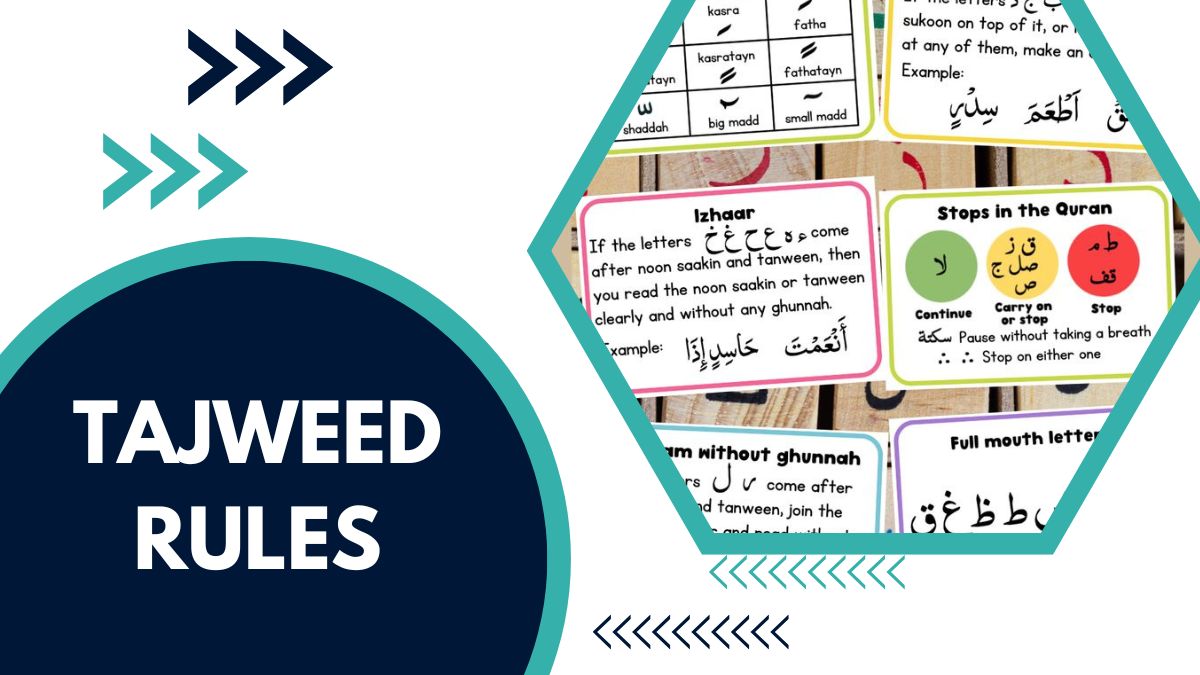
- Practicing tajweed basics
Parents should make Quran learning fun, interactive, and consistent. Short daily lessons are often more effective than long sessions that feel stressful or overwhelming.
Reward systems, colorful Quran books, flashcards, and interactive activities can help children stay motivated and excited about learning. Some parents also use storytelling methods to explain Quranic lessons in ways children can easily understand.
It is important for children to understand that the Quran is not only meant for recitation but also for guidance in daily life. Simple lessons about kindness, honesty, gratitude, and patience from the Quran can help children apply Islamic teachings in real situations.
Parents should also encourage children to listen to beautiful Quran recitations regularly. This helps improve pronunciation and creates emotional attachment to the Quran from an early age.
Nurture a beautiful, lifelong love for the words of Allah in your home by registering for our specialized Quran Course For Kids at Denk Arabisch designed specifically for young, busy minds.
5. Stories of the Prophets for Children
Children naturally enjoy stories, making stories of the Prophets one of the best ways to teach Islamic values. Prophet stories are full of wisdom, lessons, and inspiring examples that children can relate to and learn from.
Prophet stories teach lessons about:
- Faith and trust in Allah
- Courage and patience
- Honesty and kindness
- Forgiveness and mercy
- Obedience and gratitude
Some popular Prophet stories for kids include:
A. Prophet Adam (عليه السلام)
Children learn that Allah created the first human and taught him knowledge. This story helps kids understand the beginning of humanity and the importance of seeking knowledge.
B. Prophet Nuh (عليه السلام)
The story of the ark teaches obedience, patience, and trust in Allah during difficult times. Children also learn the value of believing in Allah even when others disagree.
C. Prophet Ibrahim (عليه السلام)
Kids learn about strong faith and complete submission to Allah. The story of Prophet Ibrahim teaches courage, sacrifice, and devotion.
D. Prophet Musa (عليه السلام)
This story teaches bravery, leadership, and reliance on Allah. Children are inspired by how Prophet Musa remained strong despite many challenges.
E. Prophet Yusuf (عليه السلام)
The story of Prophet Yusuf teaches patience, forgiveness, and trust in Allah’s plan. It also shows children the importance of good character during hardship.
F. Prophet Muhammad (صلى الله عليه وسلم)
Children discover the kindness, mercy, honesty, and excellent character of the final Prophet. Stories about how he treated children with love and respect help kids feel connected to him.
Using books, cartoons, storytelling sessions, and educational activities can make these stories more engaging and memorable. Parents can also ask children questions after each story to help them understand the lessons and apply them in daily life.
Read also: Islamic Manners For Kids – Teaching Good Character In Islam
6. Teaching Islamic Values Through Daily Life
Children learn best by observing the adults around them. Parents and teachers should demonstrate Islamic values through everyday actions, because children often imitate what they see more than what they hear. Daily routines provide excellent opportunities to teach children Islamic manners, gratitude, kindness, and responsibility in a natural way.
Simple daily habits can teach important lessons, such as:
- Saying “Bismillah” before eating
- Thanking Allah after meals
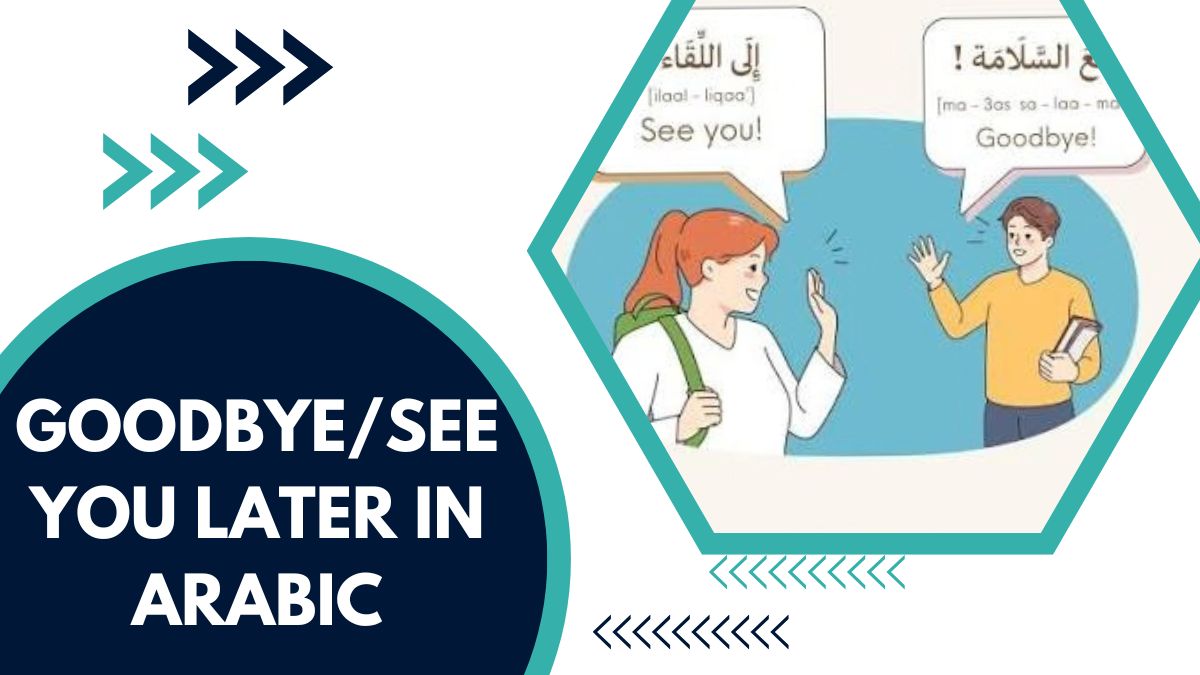
- Greeting others with “Assalamu Alaikum”
- Helping family members with household tasks
- Giving charity to those in need
- Being honest in conversations
- Showing patience during difficult moments
When children see Islamic teachings practiced consistently, they naturally adopt those behaviors and begin to understand that Islam is part of everyday life, not only something practiced in the mosque.
Parents can also use daily situations as learning moments. For example, if a child shares toys with a sibling, parents can explain that Allah loves generosity and kindness. If a child becomes upset, parents can teach patience and calmness through gentle reminders from Islamic teachings.
Consistency is very important. Small daily actions repeated regularly help children build strong Islamic habits and values that stay with them as they grow older.
Equip the next generation with essential daily Duas and authentic values by choosing a structured Islamic Studies Course at Denk Arabisch tailored perfectly to kids growing up in the West.
7. Teaching Kids About Charity in Islam
Charity (Sadaqah) is an important Islamic teaching that helps children develop empathy, generosity, and compassion for others. Islam encourages Muslims to help people in need and share blessings with those who are less fortunate.
Parents can encourage charity by:
- Donating toys or clothes
- Feeding needy people
- Saving coins for charity boxes
- Helping neighbors and relatives
- Sharing food with friends or classmates
- Participating in community charity events
Children should understand that helping others pleases Allah and spreads kindness in society. Even small acts of charity can make a big difference.
Teaching children that charity is not only about money is also important. Smiling, helping someone carry something, comforting a sad friend, or being kind to animals are all considered good deeds in Islam.
Ramadan is an especially good time to teach children about charity and generosity. Involving children in preparing food for others or donating to families in need helps them experience the joy of giving.
Study Islamic knowledge with Denk Arabisch Academy
Deepen your understanding of Islam through authentic and structured learning
Try a Free Trial8. Islamic Etiquette for Kids
Islam teaches proper behavior and manners in every situation. Teaching Islamic etiquette helps children become respectful, disciplined, and responsible individuals who positively influence others around them.
Important etiquettes include:
- Greeting politely
- Speaking respectfully
- Eating with the right hand
- Asking permission before entering rooms
- Keeping clean and organized
- Avoiding rude language
- Listening when others speak
- Respecting elders and teachers
These small habits help children develop strong Islamic character over time. Islamic etiquette also teaches children self-control and consideration for others’ feelings.
Parents can teach etiquette gradually through reminders and encouragement instead of harsh criticism. For example, reminding children to say “JazakAllahu Khairan” or “Please” and “Thank you” helps them develop respectful communication skills.
Teaching children Islamic manners at a young age also helps them build better friendships and stronger relationships with family members and society.
9. Making Islamic Learning Fun for Children
Children learn better when lessons are interactive, creative, and enjoyable. Making Islamic education fun helps children stay interested and excited about learning their religion.
There are many creative ways to teach Islamic teachings for kids, including:
A. Islamic Storybooks
Colorful books with engaging illustrations make learning enjoyable and help children remember Islamic lessons more easily.
B. Educational Videos
Islamic cartoons and educational videos can simplify complex topics for young minds and make learning more entertaining.
C. Nasheeds and Songs
Islamic songs and nasheeds help children memorize duas, Arabic words, Quran verses, and Islamic concepts in a fun way.
D. Games and Activities
Matching games, puzzles, crafts, quizzes, and role-playing activities make Islamic learning interactive and enjoyable.
E. Reward Charts
Reward systems motivate children to practice good habits such as prayer, Quran memorization, honesty, and kindness.
F. Family Learning Time
Parents can organize family Islamic learning sessions where children read stories, answer questions, or practice duas together. This creates positive memories connected to Islamic learning.
When children enjoy learning Islam, they become more eager to continue exploring their faith as they grow older.
Don’t let your child fall behind in their language journey; secure a spot in our premium Arabic Lessons For Kids at Denk Arabisch today before the upcoming semester is completely fully booked!
10. Teaching Love for the Prophet Muhammad (صلى الله عليه وسلم)
One of the most important Islamic teachings is loving the Prophet Muhammad (peace be upon him). Children should learn about his kindness, mercy, honesty, patience, and compassion toward all people.
Parents can teach love for the Prophet by:
- Sharing stories from his life
- Teaching children to say salawat
- Following his sunnah in daily life
- Explaining how he treated children with kindness and respect
- Teaching his good manners and habits
Children are often inspired when they hear how gently the Prophet treated others, helped the poor, forgave people, and cared for children.
Parents can also encourage children to follow small sunnahs, such as smiling, greeting others kindly, maintaining cleanliness, and helping people in need.
When children admire the Prophet’s character, they naturally try to imitate his good behavior and develop stronger attachment to Islam.
11. Islamic Holidays and Celebrations for Kids
Islamic celebrations are wonderful opportunities to teach children about their faith while creating joyful family memories.
A. Ramadan
Children can learn about fasting, prayer, charity, patience, and gratitude during Ramadan. Even if young children do not fast fully, they can participate by helping prepare iftar, making duas, and attending prayers.
B. Eid al-Fitr
Kids enjoy celebrating the end of Ramadan with family gatherings, gifts, sweets, and Eid prayers. Parents can explain the spiritual meaning of Eid and the importance of gratitude after Ramadan.
C. Eid al-Adha
This holiday teaches sacrifice, generosity, obedience to Allah, and helping those in need through sharing food and charity.
Decorating the home, giving gifts, and organizing family activities during Islamic holidays helps children develop positive emotional connections with Islam and its traditions.
The Role of Parents in Islamic Education
Parents are the first teachers in a child’s life. Their behavior, words, habits, and attitudes strongly influence how children understand Islam and practice it in their daily lives. A loving and supportive Islamic environment helps children feel secure and connected to their faith.
Some ways parents can support Islamic learning include:
1. Creating an Islamic Environment
Playing Quran recitations at home, reading Islamic storybooks, displaying Islamic reminders, and celebrating Islamic holidays help children feel connected to Islam from an early age. A peaceful Islamic environment encourages curiosity and love for learning about the religion.
2. Encouraging Questions
Children are naturally curious and may ask many questions about Allah, prayer, heaven, or Islamic practices. Parents should answer patiently, honestly, and in age-appropriate ways. Encouraging questions helps children develop understanding instead of fear or confusion.
3. Leading by Example
Children copy what they see. Parents who pray regularly, speak kindly, show gratitude, and treat others respectfully teach Islam through actions. When children witness good Islamic behavior at home, they are more likely to practice it themselves.
4. Making Learning Fun
Islamic games, nasheeds, quizzes, crafts, and storytelling activities can make learning exciting instead of stressful. Children enjoy lessons more when they feel interactive and enjoyable.
5. Encouraging Positive Habits
Parents can gently encourage habits such as daily duas, reading Quran, helping others, and maintaining cleanliness. Praising children for positive behavior builds confidence and motivation.
The role of parents is not only to teach rules but also to help children feel the beauty, mercy, and wisdom of Islam in their everyday lives.
Read also: Fun Quran Activities Through Games – Making Learning Joyful And Meaningful
Challenges of Raising Muslim Children Today
Modern parents face many challenges when teaching Islam to children. Social media, peer pressure, busy lifestyles, and negative influences can sometimes make Islamic education difficult.
Children today are exposed to many ideas and distractions, which is why strong communication and guidance are more important than ever. Parents should create an environment where children feel comfortable discussing questions and concerns openly.
However, consistency, patience, and positive parenting can help children stay connected to their faith. Parents should:
- Encourage Islamic friendships
- Monitor media content wisely
- Create healthy routines
- Balance religious learning with fun activities
- Teach Islam with love and understanding
It is important to teach children that Islam is not only about rules and restrictions but also about love, mercy, peace, purpose, and happiness.
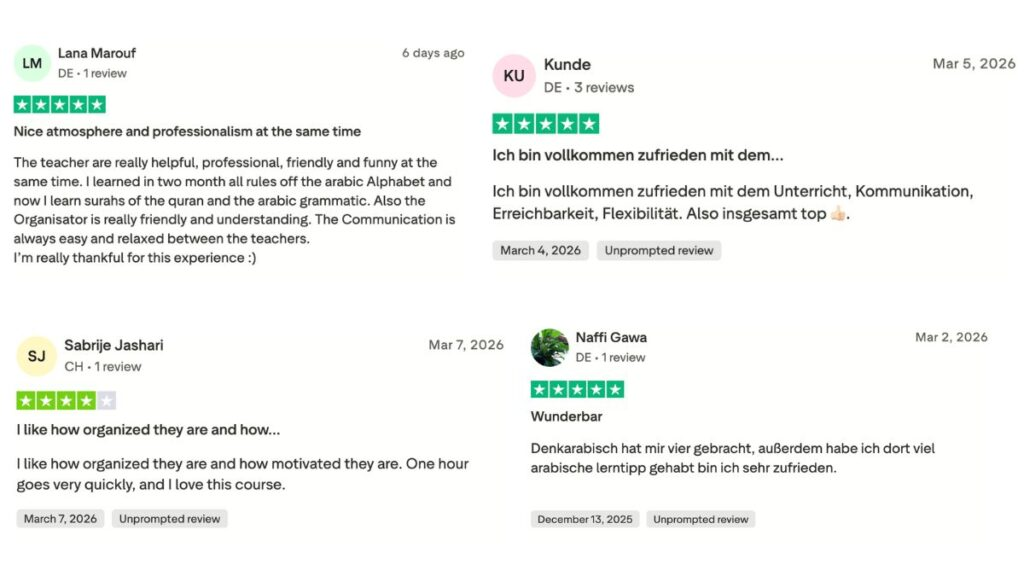
What Our Students Say About Denk Arabisch Academy
See what our students say about learning at Denk Arabisch Academy on Trustpilot. Read their experiences and check out more reviews to discover how our courses help improve Arabic.
Your Child’s Future Starts Today with Denk Arabisch!
Imagine your child confidently speaking Arabic, reciting the Quran beautifully with proper Tajweed, and growing up deeply connected to their Islamic identity. That journey begins with the right guidance — and the best time to start is now.
Enrollment for our upcoming live online classes is almost full, and spots are disappearing quickly. Waiting too long could mean missing the chance to join this semester’s limited groups.
Why Families Choose Denk Arabisch
- Real Learning, Real Results: Our programs are designed to keep children engaged, motivated, and progressing step by step. Through interactive lessons and modern teaching methods, your child will build confidence and noticeable skills from the very beginning.
- Qualified Native Teachers: Our experienced native Arabic instructors know how to make learning enjoyable for kids. Every class is filled with encouragement, interaction, and activities that help students stay excited about learning.
- Comfortable Online Learning: No driving, no stressful schedules, and no wasted time. Your child can learn safely from home with flexible class timings that suit your family’s routine.
Courses Available for Kids
Limited Seats Available – Reserve Your Spot Before Registration Closes!
A strong connection to Arabic and Islam is one of the greatest gifts you can give your child. The earlier they begin, the stronger their foundation becomes.
Book your child’s free trial lesson today and discover how enjoyable and effective Islamic learning can be.
👉 Enroll Now & Begin Your Child’s Learning Journey with Denk Arabisch!
Study Islamic knowledge with Denk Arabisch Academy
Deepen your understanding of Islam through authentic and structured learning
Try a Free TrialConclusion
Islamic teachings for kids are essential for raising compassionate, responsible, respectful, and faithful individuals. By teaching children about Allah, prayer, Quran, good manners, charity, and the stories of the Prophets, parents help build a strong Islamic foundation that lasts a lifetime.
The best way to teach Islam is through love, patience, wisdom, and good example. When children experience Islam as a source of kindness, guidance, wisdom, and happiness, they develop a deep and lasting connection with their faith.
Through daily practice, engaging activities, supportive parenting, and positive encouragement, children can grow into confident Muslims who positively impact their families, communities, and the world around them.
FAQs
1. Why is it important to teach Islam to children at an early age?
Teaching Islam from an early age helps children develop strong faith, good manners, and positive values. Early Islamic education also helps kids build a strong connection with Allah and understand the importance of kindness, honesty, and respect.
2. What are the best ways to teach kids about Islam?
Parents can teach Islam through daily habits, storytelling, Quran learning, Islamic games, educational videos, and positive role models. Making Islamic learning fun and interactive helps children stay interested and engaged.
3. How can parents encourage children to pray?
Parents can encourage prayer by praying together as a family, using positive reinforcement, teaching simple duas, and making salah a peaceful and enjoyable experience. Gentle encouragement works better than forcing children.
4. How do children benefit from learning the Quran?
Learning the Quran helps children strengthen their faith, improve their understanding of Islam, and develop good character. Quran learning also teaches discipline, patience, and spiritual connection with Allah.
5. What Islamic manners should children learn first?
Some important Islamic manners for kids include honesty, kindness, respect for parents, sharing, patience, cleanliness, and speaking politely. These values help children build strong character and healthy relationships.
6. How can parents make Islamic learning fun for kids?
Parents can use Islamic storybooks, cartoons, nasheeds, quizzes, crafts, games, and reward charts to make learning enjoyable. Interactive activities help children remember lessons more effectively.