Takeaway:
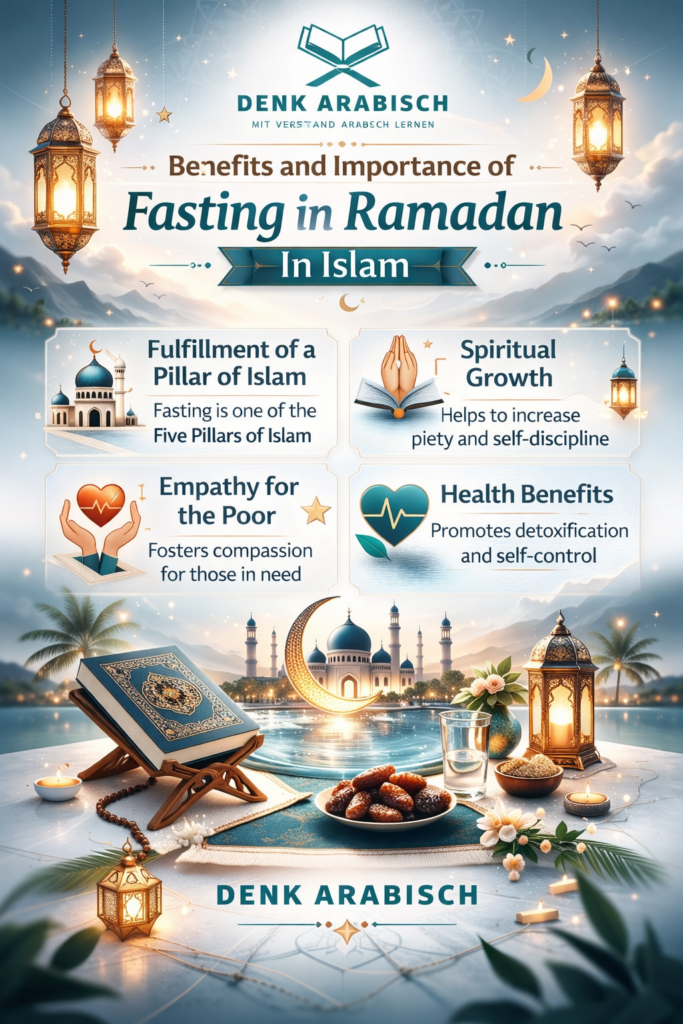
- Fasting in Ramadan is a comprehensive act of worship that develops God-consciousness (taqwa), self-discipline, and gratitude through voluntary abstinence.
- Spiritually, it purifies the soul (tazkiyah), strengthens patience, and helps distance from bad habits, acting as a moral reset.
- Psychologically, it fosters inner calm, emotional stability, reduced stress, and a stronger sense of community and mindfulness.
- Physically, it may support metabolic regulation, digestive relief, and hormonal balance, with exemptions granted to protect health.
- Socially, it builds empathy for the needy, unites communities through shared meals and prayers, and promotes mercy, generosity, and tolerance.
- The core purpose is ethical and spiritual growth, transforming everyday life and reinforcing religious identity well beyond the month.
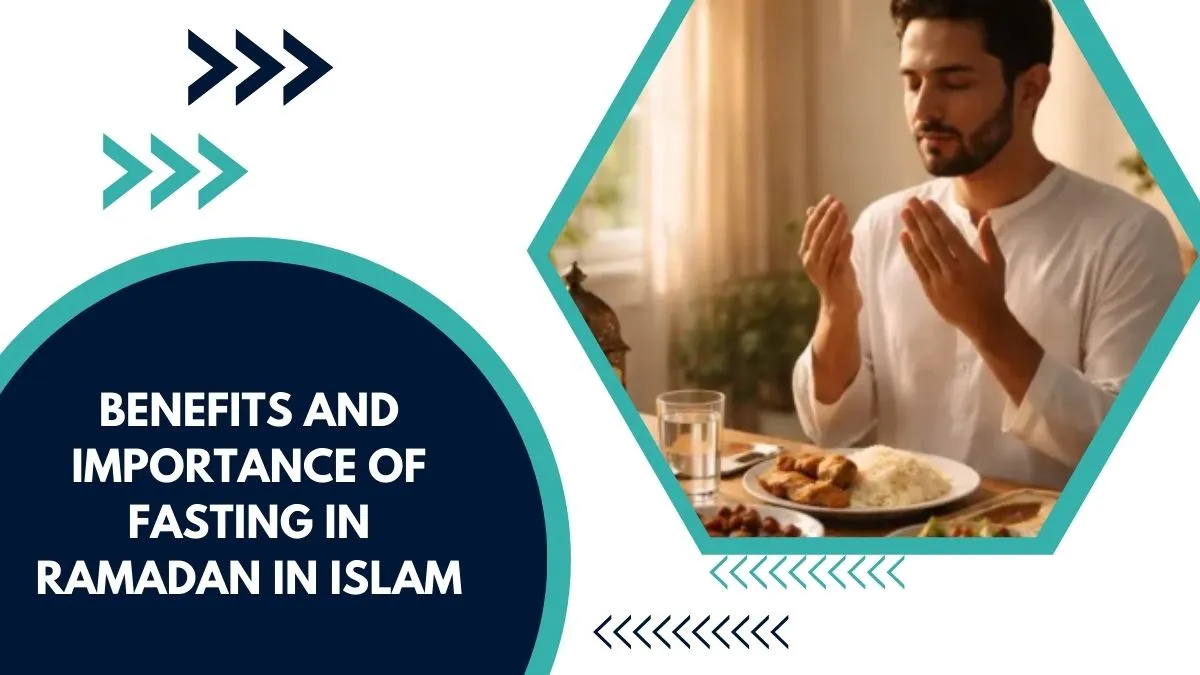
Fasting during the month of Ramadan holds a central religious, spiritual, and social position in Islam. For many Muslims living in Western societies, it is not merely an obligation but also a conscious spiritual practice that nurtures self-discipline, gratitude, and inner purification. The benefits and importance of fasting in Ramadan lie not only in religious law but also in their psychological, social, and physical impacts on daily life.
The importance of fasting in Islam becomes clearer when language, Islamic law, and spirituality are viewed together. Fasting is not an isolated ritual; it is a deliberate practice of self-management that structures everyday life and strengthens religious identity.
Table of Contents
1. Spiritual Benefits of Fasting in Ramadan
The spiritual benefits of fasting in Ramadan primarily influence the heart and inner character. Fasting acts as training in self-awareness and moral alignment. Many experience Ramadan as a period of heightened mindfulness regarding words, thoughts, and actions.
A. How Does Fasting Develop Taqwa?
Taqwa describes an alert and sincere relationship with God. By voluntarily abstaining from permissible things, believers develop sensitivity toward ethical decisions. This awareness often continues even after Ramadan in both professional and personal life.
B. Purification of the Soul (Tazkiyah) Through Ramadan
Tazkiyah refers to purifying intentions and engaging in self-examination. Fasting helps identify and gradually reduce selfish impulses. In fast-paced modern lifestyles, Ramadan provides valuable space for inner order.
C. Strengthening Patience and Self-Discipline
Temporarily avoiding food and drink strengthens willpower. This ability extends to other life areas such as media consumption, productivity, and time management. Many report greater self-control and more conscious choices.
Patience is a central ethical value in Islam. Fasting trains emotional stability, particularly during long summer fasting hours. Those who cultivate patience respond more calmly to stress and interpersonal tension.
D. Gratitude for Allah’s Blessings Shukr in Ramadan
Experiencing hunger and thirst creates a renewed appreciation for everyday blessings. Gratitude becomes lived reality rather than abstract thought, positively influencing family life, work attitudes, and material awareness.
E. Distancing From Sins And Bad Habits
Many treat Ramadan as a moral reset. Habits such as smoking or excessive media use are reduced. This period often leads to long-term behavioral improvements and renewed personal commitment.
Study Islamic knowledge with Denk Arabisch Academy
Deepen your understanding of Islam through authentic and structured learning
Join nowRead Also: What Is The Purpose Of Fasting In Ramadan?
2. Psychological Benefits of Fasting in Ramadan
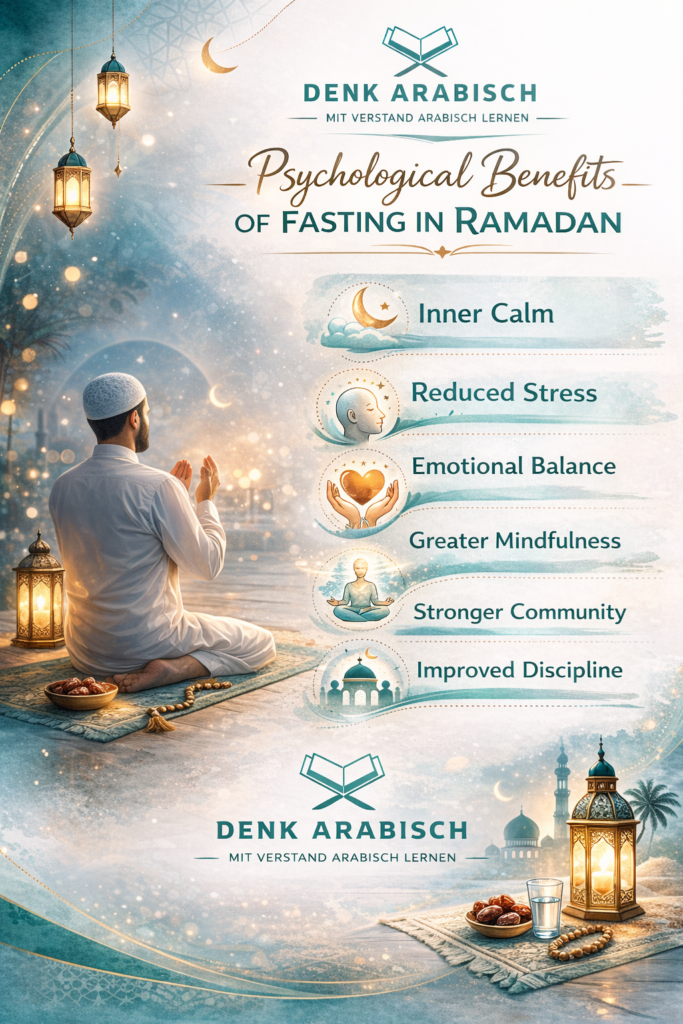
The psychological benefits of fasting in Ramadan include inner calm, emotional balance, and mental clarity. Through prayer, structured routines, and social interaction, many experience reduced stress, decreased loneliness, and a stronger sense of belonging.
- Strengthened mental well-being during Ramadan.
- Greater inner peace and emotional stability.
- Stress reduction through spiritual routines.
- Stronger sense of community among Muslims.
- Increased mindfulness in daily life.
- Improved self-control and discipline.
- Higher motivation and life satisfaction.
- Enhanced mental clarity and focus.
- Emotional resilience through religious practice.
Read Also: Islamic Studies: Your Guide to Authentic Knowledge – Where to Begin?
3. Physical And Health Benefits Of Fasting In Ramadan
The benefits and importance of fasting in Ramadan in Islam also include physical aspects, although personal medical advice remains essential. Fasting is not a replacement for healthcare but can encourage healthier eating habits and structured daily rhythms.
A. Blood Sugar and Metabolic Regulation During Ramadan
Some studies suggest possible improvements in blood sugar regulation and weight management. Results vary widely and depend strongly on dietary habits. A balanced Iftar meal plays a crucial role.
B. Positive Effects on the Nervous System in Ramadan
Short-term food abstinence may support neurobiological adjustments that enhance concentration. Many report heightened alertness in evening hours, though adequate sleep remains vital.
C. How Does Ramadan Support a Healthier Digestive System?
Meal breaks can relieve the digestive system and encourage mindful eating. Balanced nutrition often leads to reduced bloating, while overeating at sunset can reverse these effects.
D. Hormonal Balance and Energy Stability
Fasting influences insulin sensitivity and metabolic processes, potentially stabilizing energy levels. However, individual differences remain significant and should be considered carefully.
E. Important Health Considerations and Exemptions in Islam
Many women report improved self-awareness and emotional balance. Islamic law provides exemptions during pregnancy or breastfeeding, ensuring that health and well-being are protected.
Read Also: Voluntary Fasting Days in Islam – The Sunnah Fasting Days
4. Social Benefits of Fasting in Ramadan
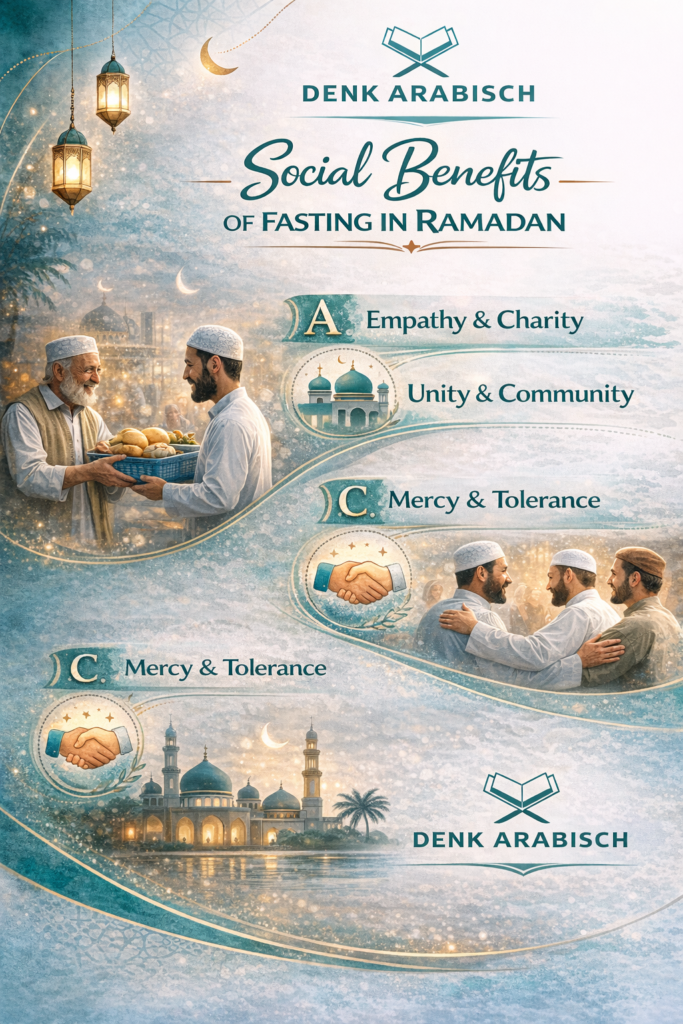
Fasting extends beyond the individual and shapes communities and education. During Ramadan, social connections, mosque activities, and family gatherings often increase, strengthening solidarity and belonging.
A. Developing Empathy for the Poor and Needy
Experiencing hunger nurtures compassion and social awareness. Many increase charitable engagement, linking spiritual growth with tangible social responsibility.
B. Strengthening Unity and Community Bonds
Shared Iftar meals and prayers create closeness. Even in multicultural cities, a collective identity emerges, reinforcing confidence in religious belonging.
C. Promoting Mercy, Generosity, and Tolerance
Ramadan encourages kindness and respectful dialogue. Many strive for friendlier communication in everyday interactions, positively influencing workplaces and neighborhoods.
What Our Students Say About Denk Arabisch Academy
See what our students say about learning at Denk Arabisch Academy on Trustpilot. Read their experiences and check out more reviews to discover how our courses help improve Arabic.

Study Islamic knowledge with Denk Arabisch Academy
Deepen your understanding of Islam through authentic and structured learning
Join nowRead Also: Learning the Quran: A Practical 7-Step Guide for Beginners in Germany
Why Is Fasting in Ramadan So Important?
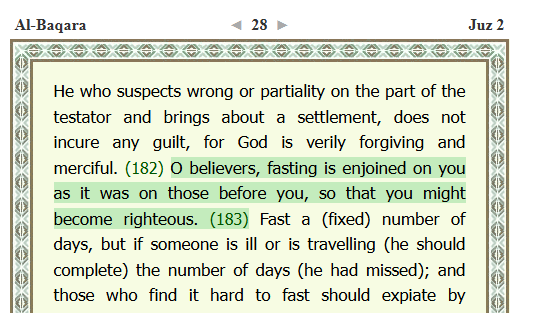
Fasting holds a central place in Islam. It is a divine obligation that strengthens faith, promotes righteousness, and purifies the soul. The Holy Quran encourages fasting in Surah Al-Baqarah (2:183), where God Almighty says:
يَا أَيُّهَا الَّذِينَ آمَنُوا كُتِبَ عَلَيْكُمُ الصِّيَامُ
Yā ayyuhā alladhīna āmanū kutiba ʿalaykumu aṣ-ṣiyām
“O you who believe, fasting has been prescribed for you.”
This verse connects fasting with the development of taqwa (God-consciousness), making it a means of ethical and spiritual self-discipline. Beyond abstaining from food and drink, fasting fosters self-control, gratitude, patience, and compassion, becoming a comprehensive act of spiritual and moral growth.
Read also: Learning Arabic: The ultimate guide for Muslims in Germany
Begin Your Journey With Denk Arabisch
A deeper understanding of the importance of fasting in Islam becomes easier with structured learning. Denk Arabisch offers:
- Qualified native Arabic teachers with cultural understanding
- Flexible online learning schedules
- Personalized study plans
- Courses such as Tajweed Intensive Course, Quran Memorization Programs, and Arabic for Beginners
Book your free trial lesson with Denk Arabisch today and start learning the Quran in a structured and engaging way.
Our Courses Include:
- Arabic Courses for German Speakers
- Arabic Levels for German Speakers
- Arabic Dialect Courses for German Speakers
- Qur’an Learning Courses for German Speakers
- Islamic Studies Courses for German Speakers
- Courses for Muslim Kids for German Speakers
FAQ
Who Must Fast During Ramadan?
Every healthy adult Muslim of sound mind.
Who Is Exempt from Fasting?
The sick, travelers, pregnant or breastfeeding women, and children.
What Breaks The Fast?
Eating, drinking, intentional vomiting, and marital relations during daylight hours.
How Long Do Muslims Fast Each Day?
From dawn (Fajr) until sunset (Maghrib). The duration varies by country and season and can range from around 12 to over 16 hours in summer.
What Is Not Allowed During Fasting Hours?
Eating, drinking, and intimate relations are prohibited during daylight. Many also consciously avoid negative behaviors such as lying, arguing, or insulting others, as Ramadan is equally about moral self-control.
Conclusion
Fasting in Ramadan remains one of the most transformative acts of worship in Islam. Its importance extends beyond religious obligation, shaping spiritual awareness, psychological resilience, physical discipline, and social unity. By combining devotion with self-control and compassion, Ramadan fasting becomes a comprehensive system for personal growth and ethical refinement.