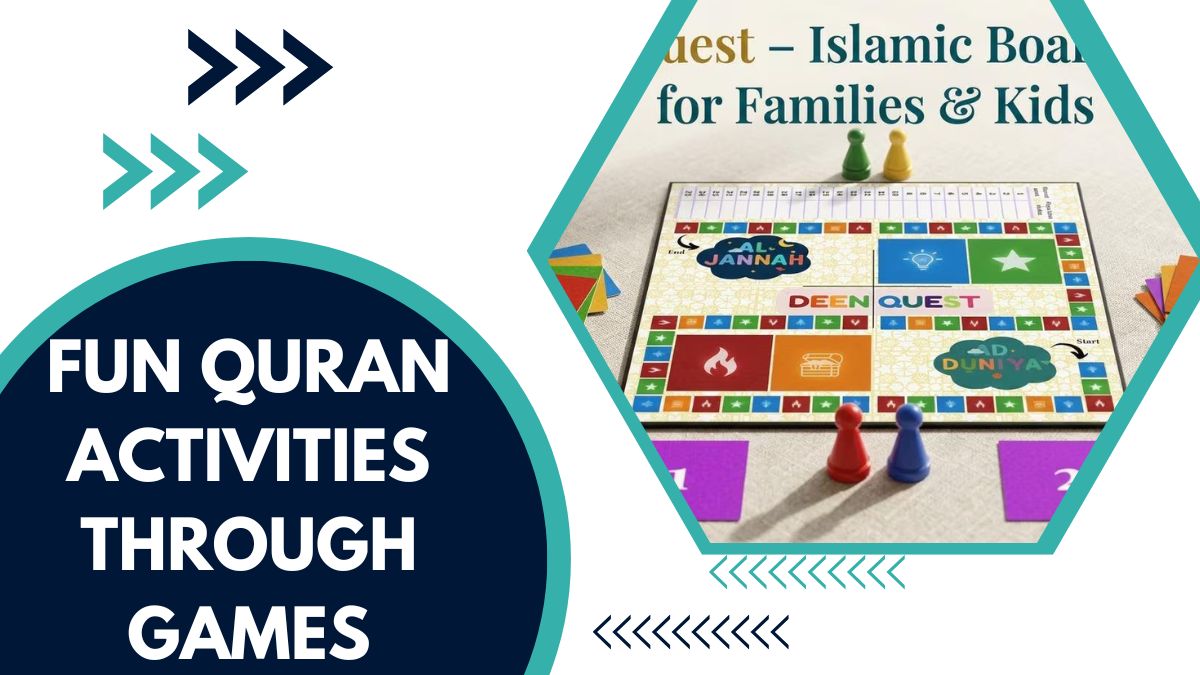
Teaching the Quran to children is one of the most rewarding journeys for parents and educators. However, keeping young learners engaged can sometimes be challenging. Children naturally learn best through play, imagination, and interaction—not through rigid memorization alone. That’s where fun Quran activities through games come in.
By turning Quran learning into an enjoyable experience, you help children build a strong emotional connection with the Quran. Instead of seeing it as a task, they begin to see it as something they love and look forward to every day.
In this article, we’ll explore creative and effective Quran-based games that support memorization, understanding, and engagement—while keeping learning fun and meaningful.
Table of Contents
Why Use Games to Teach the Quran?
Children are naturally curious and energetic, which means traditional teaching methods alone may not always hold their attention. Games, on the other hand, transform learning into an interactive experience where children actively participate instead of just listening.
When a child learns through play, their brain connects emotions with information, making it easier to remember and understand. This is why game-based learning is so effective—especially for Quran education.
While games at home are a fantastic start, our Quran Courses for German-Speaking Children at Denk Arabisch integrates these pedagogical play-based methods into a structured curriculum. We ensure your child builds a solid foundation while having the time of their lives.
Benefits of Quran Learning Through Games:
- Improves memory retention: Repetition through fun activities helps verses stick longer
- Builds a positive relationship with the Quran: Children associate learning with enjoyment, not pressure
- Enhances understanding: Games simplify meanings and concepts
- Encourages participation: Even shy children become more involved
- Supports different learning styles: Visual, auditory, and active learners all benefit
When learning feels enjoyable, children naturally become more consistent and motivated.

1. Quran Memory Card Game
The Quran Memory Card Game is a simple but highly effective activity that transforms memorization into an interactive learning experience.
Many children feel overwhelmed when they are asked to memorize an entire verse at once, especially if the verse contains unfamiliar vocabulary or longer sentence structures. This game solves that problem by breaking the memorization process into smaller, manageable steps.
Instead of passive repetition, children actively participate by arranging the Quranic phrases in the correct order. This activates multiple learning skills at the same time, including reading, sequencing, concentration, and visual memory. Because the child is physically moving and organizing the cards, the brain becomes more engaged, which helps strengthen long-term memorization.
How to Prepare the Game
- Select a short verse or a few lines from a surah the child is currently learning.
- Divide the verse into smaller sections or phrases.
- Write each phrase on a separate card.
- Use large, colorful writing for younger children.
- Laminating the cards can make them reusable for future lessons.
How to Play
- Mix the cards and place them randomly on a table or floor.
- Ask the child to read each card carefully.
- Encourage them to arrange the cards in the correct Quranic order.
- Once completed, ask the child to recite the verse aloud from beginning to end.
- Repeat the process several times until the arrangement becomes easy for them.
Extra Creative Ideas
- Use different colors for beginnings and endings of verses.
- Add pictures or symbols for younger learners.
- Create team competitions between siblings or classmates.
- Hide the cards around the room for a “memory hunt” version of the game.
Why This Activity Is So Effective
This game strengthens memorization because it encourages active thinking instead of simple repetition. Children are not only memorizing words; they are also understanding the structure and flow of Quranic verses. The repeated visual exposure to the words helps children remember the sequence naturally over time.
Benefits
- Develops strong memorization skills.
- Improves focus and concentration.
- Helps children understand verse structure.
- Encourages independent learning.
2. “Guess the Surah” Game
The “Guess the Surah” game is an excellent listening activity that helps children build familiarity with Quran recitation. As children hear Quran more frequently, they begin to recognize the unique rhythm, tone, and flow of different surahs.
Over time, they develop the ability to identify surahs simply by listening to a few words or verses.
This game is especially useful because it trains the ear as much as the memory. Many children memorize verses visually, but listening recognition is equally important for strengthening Quran retention and improving recitation.
How to Play
- Recite one verse or part of a verse from a familiar surah.
- Ask the child to identify the name of the surah.
- Allow thinking time before giving hints.
If needed, provide clues related to:
- The story in the surah
- The number of verses
- A famous word or phrase from the surah
Ways to Make the Game More Exciting
- Use a timer for quick answers.
- Give points for correct guesses.
- Let children take turns leading the game.
- Use recordings from famous Quran reciters.
- Create “easy,” “medium,” and “hard” levels.
For Younger Children
- Use only very short surahs from Juz Amma.
- Show pictures connected to the surah’s meaning.
- Offer two choices instead of open-ended answers.
Educational Value of This Game
Children become more attentive listeners because they know they must recognize the surah. They start paying closer attention to pronunciation, recurring words, and the emotional tone of recitation. This repeated listening naturally improves their Tajweed and fluency over time.
Benefits
- Builds strong listening skills.
- Strengthens Quran familiarity.
- Improves pronunciation and fluency.
- Encourages quick recall and confidence.
- Helps children connect emotionally with Quran recitation.
Is your child ready to be the one reciting for the game? In our Tajweed Course for German-Speaking Children, we focus on the rules of beautiful recitation, ensuring they recognize the melody and rules of every Surah they encounter.
3. Quran Bingo
Quran Bingo is a creative and exciting way to review Quran lessons while keeping children fully engaged. Traditional revision methods can sometimes feel repetitive, especially for children who lose focus quickly. Quran Bingo transforms review sessions into interactive challenges where children actively search for answers and stay alert throughout the activity.
Because the game combines learning with competition, children feel excited to participate and often forget they are even studying.
How to Prepare the Bingo Cards
You can include:
- Surah names
- Quranic vocabulary
- Meanings of Arabic words
- Tajweed rules
- Names of prophets
- Islamic values or manners
Each child receives a different bingo card to make the game more challenging and fun.
How to Play
- The teacher or parent calls out:
- A Quranic word
- A surah name
- A meaning or description
- Children search for the matching answer on their bingo cards.
- They mark the correct box.
- The first child to complete a row or full card wins.
Creative Variations
- Use picture bingo for smaller children.
- Create themed rounds such as:
- Animals in the Quran
- Prophets
- Tajweed rules
- Daily duas
- Include “bonus questions” for extra points.
Why Children Enjoy Quran Bingo
The excitement of waiting for the next clue keeps children attentive and focused. The game atmosphere reduces stress and creates positive emotions connected to Quran learning. Even shy children often become more involved because everyone participates together.
Benefits
- Improves vocabulary recognition.
- Strengthens memory recall speed.
- Encourages active participation.
- Builds listening and thinking skills.
- Makes Quran revision highly enjoyable.
4. Act It Out (Quran Stories Role Play)
Role play is one of the most powerful ways to help children connect emotionally with Quranic stories. Children naturally love storytelling and imagination, and when they are allowed to act out stories from the Quran, the lessons become more meaningful and memorable.
Instead of only hearing the story, children experience it through movement, speech, and interaction. This deeper engagement helps them remember the story’s events, characters, and moral lessons for a much longer time.
How to Organize the Activity
- Choose a simple Quranic story suitable for children.
- Explain the story clearly before acting.
- Assign simple roles to each child.
- Encourage children to retell the story using their own words.
Suitable Stories for Role Play
- Prophet Nuh and the Ark
- Prophet Musa crossing the sea
- Prophet Yunus and the whale
- The story of the elephant
- Prophet Ibrahim breaking the idols
Tips for Parents and Teachers
- Keep the activity respectful and educational.
- Focus on lessons and morals rather than costumes.
- Allow children to express emotions naturally.
- Ask reflection questions afterward like:
- “What lesson did we learn?”
- “How can we apply this in daily life?”
Why This Method Works So Well
Children remember emotions and experiences more strongly than lectures alone. By participating physically and emotionally, they develop a personal connection with the Quranic story. This also improves communication skills and builds self-confidence.
Benefits
- Strengthens understanding of Quran stories.
- Encourages creativity and imagination.
- Improves speaking and communication skills.
- Builds emotional connection with Islamic values.
- Helps children remember lessons longer.
Understanding the “why” behind the stories makes role-play even more impactful. At Denk Arabisch, our Islamic Studies for German Speakers provides the context and history that bring these stories to life in your child’s heart.
5. Quran Word Hunt
The Quran Word Hunt transforms Quran learning into an exciting treasure hunt that keeps children moving, thinking, and learning at the same time. Many children struggle to sit still for long periods, especially during study sessions, so adding movement to Quran activities helps maintain their energy and attention.
Instead of simply reading vocabulary from a book, children actively search for hidden Quranic words around the room. This creates excitement and curiosity, which makes learning feel more like an adventure than a lesson.
How to Prepare the Activity
- Write Quranic words on separate cards.
- Choose words the child has already learned or is currently studying.
- Hide the cards around the room, classroom, or even outdoors.
- Prepare simple clues that help children locate the words.
How to Play
- Give children one clue at a time.
- Once a child finds a card, ask them to:
- Read the word correctly
- Pronounce it clearly
- Explain its meaning if possible
- Continue until all words are found.
Creative Variations
- Match Quranic words with their meanings.
- Match words with pictures for younger children.
- Build short Quranic phrases using the found cards.
- Add “challenge cards” with bonus questions.
- Turn it into a timed team competition.
Why This Activity Works So Well
Children naturally enjoy searching games because they create suspense and excitement. Movement increases focus and helps energetic children stay engaged in the lesson. Since the learning happens through action and discovery, children often remember the vocabulary more easily.
This activity also helps children associate Quran learning with positive emotions and fun experiences rather than pressure or boredom.
Benefits
- Expands Quranic vocabulary.
- Improves reading confidence.
- Combines physical activity with learning.
- Strengthens memory through movement.
- Keeps children motivated and active.
6. Tajweed Challenge Game
Tajweed is an essential part of Quran recitation, but many children initially find the rules difficult or confusing. Turning Tajweed into a game helps remove fear and pressure, making the learning process easier and more enjoyable.
Instead of memorizing rules from a textbook, children begin recognizing Tajweed naturally through listening, interaction, and repeated practice. The challenge format keeps them alert and excited to participate.
How to Prepare the Game
- Write different Tajweed rules on cards.
- Prepare short verses that clearly contain those rules.
- Start with simple and commonly used rules before introducing advanced concepts.
How to Play
- Recite a Quranic verse aloud.
- Ask the child to identify which Tajweed rule they hear.
- The child can hold up the matching card or say the rule aloud.
- Give points for correct answers.
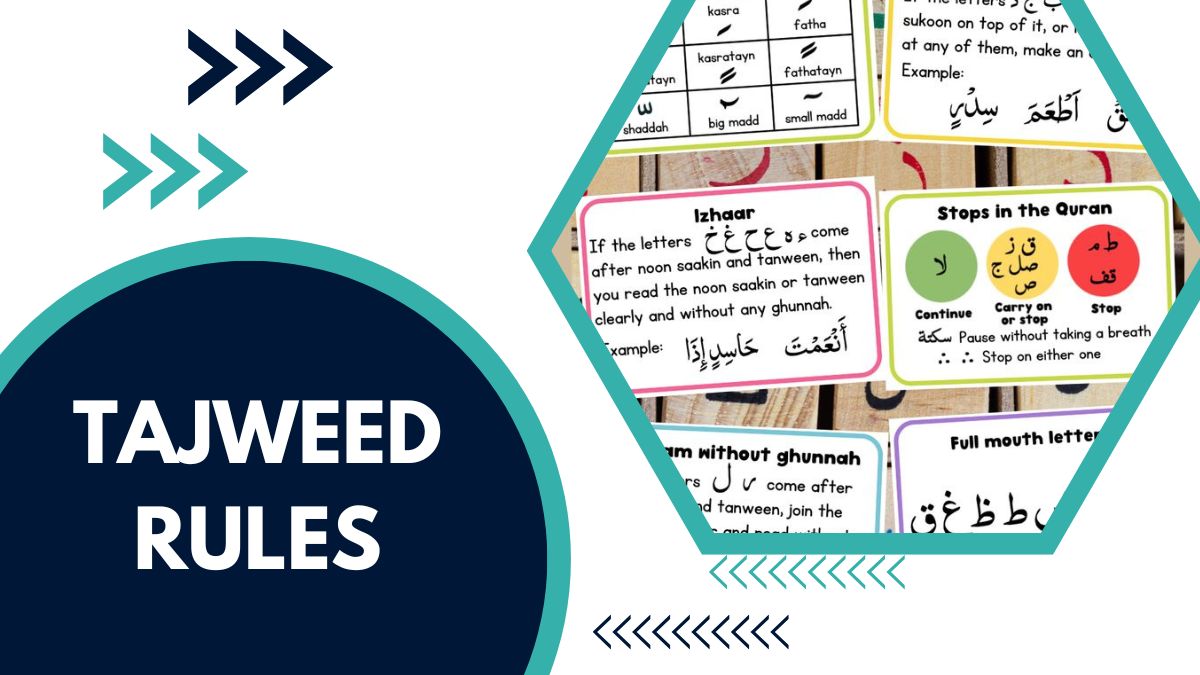
Best Rules for Beginners
Start with easy and familiar rules such as:
- Madd
- Noon Sakinah
- Ghunnah
- Qalqalah
As confidence grows, introduce more advanced rules gradually.
Read also: Five Pillars Of Islam For Kids
Fun Ways to Increase Engagement
- Add levels of difficulty.
- Create team competitions.
- Allow children to recite verses for each other.
- Use a scoreboard or reward system.
- Include “mystery challenge rounds.”
Why This Method Is Effective
Children learn Tajweed more naturally when they hear it repeatedly in context. Instead of feeling overwhelmed by theory, they begin recognizing patterns in recitation through active listening. Over time, this improves both pronunciation and fluency.
The game also encourages children to pay close attention while listening to Quran recitation, which strengthens concentration and listening accuracy.
Benefits
- Improves Quran pronunciation.
- Builds strong Tajweed awareness.
- Encourages attentive listening.
- Increases recitation confidence.
- Makes Tajweed learning less stressful and more interactive.
If your child struggles with specific sounds during the challenge, our Arabic Lesson For Kids at Denk Arabisch is designed to bridge the gap between speaking and sacred recitation, ensuring every letter is pronounced with precision.
Learn the Quran with Denk Arabisch Academy
Master reading and understanding the Quran through structured and supportive learning
Try a Free Trial7. Build-a-Verse Puzzle
The Build-a-Verse Puzzle combines Quran memorization with problem-solving and logical thinking. Instead of simply repeating verses, children actively reconstruct the verse piece by piece, which helps strengthen both understanding and memory.
This activity is especially useful for children who enjoy puzzles, hands-on learning, and visual challenges.
How to Prepare the Puzzle
- Write a Quranic verse on paper or cardboard.
- Cut the verse into phrases, words, or sentence sections.
- Mix the pieces together before starting the activity.
How to Play
- Give the child the mixed pieces.
- Ask them to arrange the verse in the correct order.
- Once completed, ask them to recite the full verse aloud.
- Repeat with different verses to build familiarity.
Ways to Make It More Exciting
- Use colorful paper pieces.
- Decorate puzzle pieces with Islamic patterns.
- Turn the activity into a race against time.
- Create group competitions.
- Increase difficulty gradually by cutting the verse into smaller pieces.
Why Children Enjoy This Game
Children naturally enjoy solving puzzles because they create a sense of achievement. Every time the child successfully rebuilds a verse, they feel proud and motivated to continue learning.
The activity also breaks the routine of ordinary memorization, making Quran practice more dynamic and enjoyable.
Educational Value
As children reconstruct the verse, they begin noticing the sequence and structure of Quranic language. This strengthens memorization while also improving concentration and logical organization skills.
Benefits
- Reinforces verse order and memorization.
- Improves concentration and attention to detail.
- Encourages logical thinking.
- Develops independent problem-solving skills.
- Makes Quran learning interactive and enjoyable.
8. Quran Quiz Competition
Quran quizzes bring excitement, teamwork, and energy into Quran learning sessions. Many children become more motivated when learning includes friendly competition and group participation.
Instead of reviewing lessons passively, children actively answer questions, think quickly, and interact with others. This keeps the learning atmosphere lively and engaging.
Quiz Categories
Questions can include topics such as:
- Surah names
- Meanings of Quranic words
- Quran stories
- Names of prophets
- Tajweed rules
- General Islamic knowledge
How to Organize the Competition
- Divide children into teams.
- Ask questions one by one.
- Award points for correct answers.
- Offer simple rewards or certificates for participation.
Creative Ideas for More Fun
- Use buzzers or bells.
- Include picture-based questions.
- Add “lightning rounds” with fast questions.
- Create mystery bonus questions.
- Let children prepare questions for each other.
Why Quiz Games Are Effective
The competitive atmosphere increases motivation and attention. Children often remember information better when they retrieve it quickly during games. Group learning also allows children to learn from one another and gain confidence speaking in front of others.
Benefits
- Reinforces Quran knowledge.
- Builds confidence and public speaking skills.
- Encourages teamwork and cooperation.
- Improves quick thinking and memory recall.
- Makes revision enjoyable and energetic.
9. Repeat After Me with Actions
This method is especially effective for younger children because it combines words with movement. Young learners often struggle to focus only on listening, but when actions are added, the lesson becomes much more engaging and memorable.
Children use multiple senses at the same time—hearing, speaking, and movement—which strengthens memory retention significantly.
How to Play
- Recite a short Quranic verse slowly and clearly.
- Add simple gestures connected to the meaning.
- Ask the children to repeat both the words and the actions together.
Examples of Simple Actions
- Point upward for words related to Allah.
- Place a hand on the heart for faith-related meanings.
- Open hands during verses about mercy or دعا.
- Mimic walking during stories about journeys.
Why Movement Helps Learning
Children naturally remember physical experiences more easily than spoken words alone. The gestures create mental associations that help children recall verses faster later on.
Movement also keeps younger children focused for longer periods because they remain physically involved in the lesson.
Tips for Parents and Teachers
- Keep gestures respectful and simple.
- Repeat frequently with enthusiasm.
- Smile and encourage participation.
- Avoid overwhelming children with too many actions at once.
Benefits
- Strengthens memory through movement.
- Engages multiple senses in learning.
- Improves pronunciation through repetition.
- Keeps children energetic and attentive.
- Makes Quran learning lively and enjoyable.
Read also: Raising Muslim Kids In Germany – A Complete Guide For Parents
10. Reward-Based Quran Challenge
Consistency is one of the most important parts of successful Quran learning. However, children often lose motivation when they feel the process is too difficult or repetitive. A reward-based challenge system helps create excitement and encourages children to continue practicing regularly.
The goal is not to pressure children into perfection, but to create positive habits and joyful associations with Quran learning.
How to Start the Challenge
- Set small and realistic daily or weekly goals.
- Track progress using a chart or calendar.
- Celebrate effort and consistency regularly.
Examples of Goals
- Memorize one short verse.
- Practice Tajweed for ten minutes.
- Revise one surah daily.
- Listen carefully to one recitation session.
Reward Ideas
- Stickers
- Small gifts
- Certificates
- Extra playtime
- Choosing a favorite family activity
Important Parenting Tip
Always focus on:
- Effort
- Improvement
- Consistency
Avoid comparing children to others or expecting perfection immediately.
Ways to Keep Children Motivated
- Change rewards occasionally to maintain excitement.
- Praise children publicly in front of family members.
- Let children track their own progress independently.
- Create family Quran challenges together.
Why Reward Systems Work
Children feel encouraged when their hard work is noticed and appreciated. Positive reinforcement builds confidence and creates a healthy emotional connection with Quran learning.
Over time, children begin developing self-discipline and internal motivation, even without rewards.
Benefits
- Builds long-term motivation.
- Encourages consistency and discipline.
- Develops positive learning habits.
- Creates excitement around Quran study.
- Helps children feel proud of their progress.
Tips for Making Quran Games Effective
To get the best results, it’s important to use these activities thoughtfully.
- Keep it age-appropriate: Adapt games to the child’s level
- Be consistent: Short daily sessions are more effective
- Stay positive: Encourage effort and avoid harsh correction
- Mix learning styles: Combine visual, auditory, and physical methods
- Involve the family: Group activities make learning more enjoyable
Balancing Fun and Respect
Making Quran learning enjoyable through games and interactive activities is highly beneficial for children, but it is equally important to teach them the respect and honor that the Quran deserves. Children should understand from an early age that while learning can be fun and exciting, the Quran is still the sacred word of Allah and must always be treated with care, love, and reverence.
The goal is to create a balance where children feel happy and motivated during Quran lessons while also developing a deep emotional and spiritual connection with the Quran itself. When this balance is achieved, children grow up seeing Quran learning as both joyful and meaningful.
Teaching Respect During Activities
Parents and teachers can gently remind children of simple Quran manners during games and lessons, such as:
- Handling Quran cards and materials carefully.
- Keeping the learning space clean and organized.
- Listening quietly when Quran is being recited.
- Saying “Bismillah” before starting activities.
- Avoiding shouting or inappropriate behavior during Quran sessions.
These small habits gradually teach children that the Quran holds a special place in their lives.
Important Guidelines
- Avoid games that may accidentally make Quran learning feel careless or disrespectful.
- Keep activities focused on education, reflection, and positive engagement.
- Encourage children to understand meanings, not only memorization.
- Praise good manners alongside good performance.
- Remind children that learning the Quran is an act of worship as well as learning.
Why This Balance Matters
If Quran learning feels too strict all the time, children may lose motivation or feel pressured. On the other hand, if the learning becomes only entertainment without proper respect, children may fail to develop the appreciation the Quran deserves.
A balanced approach helps children:
- Feel emotionally connected to the Quran.
- Enjoy learning without fear or stress.
- Develop proper Islamic manners naturally.
- Build lifelong love and respect for Quran recitation and memorization.
When children associate the Quran with warmth, encouragement, and kindness, they are more likely to continue learning and practicing it throughout their lives.
Creating a Quran-Friendly Environment
The environment around a child has a huge impact on their relationship with learning. Even the best games and teaching methods become more effective when children grow up in a home or classroom filled with positive Quranic reminders and peaceful Islamic surroundings.
A Quran-friendly environment helps children see the Quran as a natural and beautiful part of daily life rather than something limited to lesson time only.
Simple Ways to Create a Quran-Friendly Space
- Create a small and comfortable Quran corner at home.
- Add soft cushions, shelves, or a small prayer mat.
- Use colorful Quran charts, Arabic letters, or Islamic decorations.
- Keep children’s Quran books organized and easy to reach.
- Use good lighting and a calm atmosphere during learning time.
Make Quran Part of Daily Life
Children learn through repetition and environment. Small daily habits can have a powerful long-term effect, such as:
- Playing Quran recitation softly at home.
- Listening to short surahs in the car.
- Beginning the day with a verse or dua.
- Encouraging family Quran reading time.
- Celebrating Quran achievements together.
Why Environment Matters So Much
Children are strongly influenced by what they see and hear regularly. When the Quran becomes part of the home atmosphere, children naturally become more familiar and comfortable with it.
A peaceful Quran-centered environment also:
- Reduces stress during learning.
- Helps children focus better.
- Encourages consistency and routine.
- Builds emotional attachment to Quran recitation.
Encouraging a Positive Emotional Connection
Children learn best when they feel safe, loved, and encouraged. Smiling, praising effort, and showing patience during Quran learning sessions can deeply shape a child’s attitude toward Islam and the Quran.
Even small moments—such as listening to Quran together before sleep or praising a child for trying their best—can leave lasting memories that strengthen their love for the Quran for years to come.
When children grow up surrounded by Quran recitation, Islamic values, and positive encouragement, learning the Quran becomes a natural, comforting, and enjoyable part of their everyday lives.
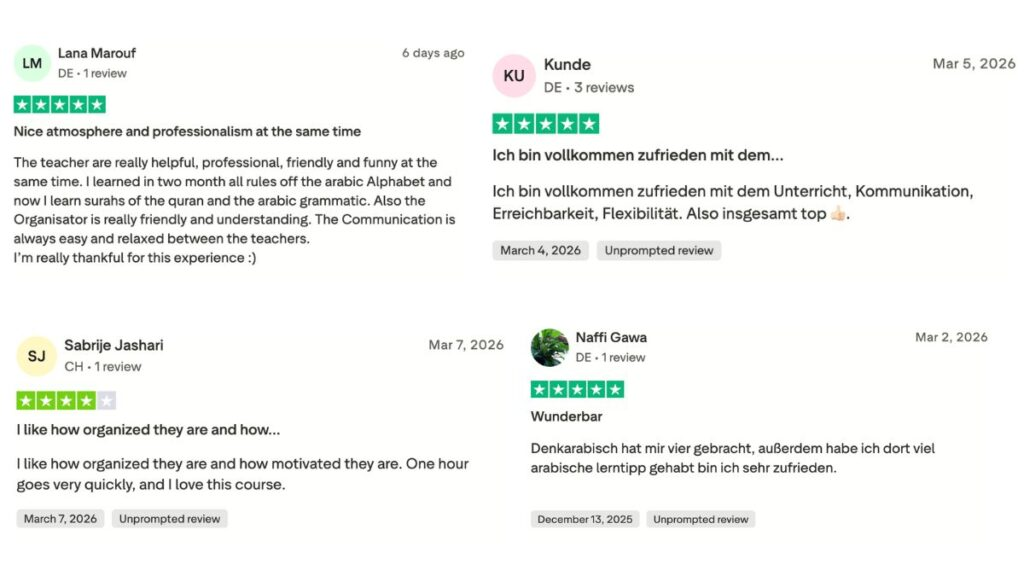
What Our Students Say About Denk Arabisch Academy
See what our students say about learning at Denk Arabisch Academy on Trustpilot. Read their experiences and check out more reviews to discover how our courses help improve Arabic.
Give Your Child the Gift of Lifelong Learning
Games are a wonderful gateway, but the right environment and expert guidance turn that spark into a lifelong flame of faith and knowledge.
Ready to see your child excel?
At Denk Arabisch, we specialize in making Quranic and Arabic education accessible, professional, and deeply engaging for German speakers. Don’t let your child struggle with dry, outdated methods.
Enroll in our specialized courses today:
- Quran Course For Kids: Master the art of beautiful reading.
- Arabic for Children: Build a bridge to the language of the Quran.
- Islamic Studies: Nurture their faith with clear, age-appropriate lessons.
Let’s start this blessed journey together—where language and faith meet.
Learn the Quran with Denk Arabisch Academy
Master reading and understanding the Quran through structured and supportive learning
Try a Free TrialConclusion
Making Quran learning fun doesn’t mean reducing its importance—it actually strengthens the connection children have with it.
Through games and creative activities, children don’t just memorize verses—they understand them, enjoy them, and carry their meanings in their hearts.
Start small, stay consistent, and focus on creating positive experiences. Because when children love the Quran, learning it becomes something they truly look forward to every day.
FAQs
1. At what age should children start learning the Quran through games?
Children can start as early as 3 to 5 years old. At this stage, they are highly receptive to sounds, repetition, and visual learning. Using games makes the experience natural and enjoyable, helping them build a positive first connection with the Quran.
2. How long should Quran game sessions be for kids?
Short sessions are more effective than long ones. Ideally, 10 to 20 minutes per day is enough—especially for younger children. The key is consistency, not length, so children stay engaged without feeling overwhelmed.
3. Can games really help with Quran memorization?
Yes, games are very effective for memorization. When children repeat verses during fun activities, their brains connect learning with positive emotions, which improves memory retention and recall over time.
4. How do I keep a balance between fun and respect for the Quran?
It’s important to set clear boundaries. Make sure children understand that while games are fun, the Quran is sacred. Avoid activities that involve disrespect, and always maintain a calm and respectful environment during learning.
5. What if my child loses interest quickly?
This is completely normal. Try rotating between different games to keep things fresh and exciting. Also, follow your child’s energy—if they seem tired, switch to a lighter activity or take a short break.
6. Are these activities suitable for group learning or classrooms?
Absolutely. Many of these games, like Quran Bingo and quiz competitions, work even better in group settings. They encourage teamwork, participation, and healthy competition among children.
7. Do I need special materials for these games?
Not at all. Most activities can be done using simple materials like paper, cards, or printed words. Creativity matters more than resources, and you can easily adapt games using what you already have at home.
8. How can I motivate my child to stay consistent?
Using small rewards, praise, and encouragement can make a big difference. Focus on celebrating effort rather than perfection, and create a routine so Quran learning becomes a natural part of the child’s day.