Takeaway:
- Tahajjud is a voluntary night prayer performed after waking from sleep, distinct from general night prayer (Qiyam al-Layl), and is a confirmed Sunnah, not an obligation.
- It is prayed in sets of two rak’ahs, with no upper limit, and concluded with Witr (an odd-numbered prayer); starting with just two humble rak’ahs builds a sustainable habit.
- The preferred time is the last third of the night, when Allah descends to the lowest heaven and says: “Who is calling upon Me that I may answer him? Who is asking from Me that I may give him?” – a moment of guaranteed response.
- Spiritual benefits: sins are expiated, supplications are answered, nearness to Allah increases, and the one who prays at night while others sleep will enter Paradise in peace.
- Psychological benefits: seclusion with Allah in the deep night removes worries and depression, builds willpower, and clothes the heart and face with light.
- Physical benefits: waking for Tahajjud helps regulate heart function and blood circulation, reduces nervous tension, and brings morning energy and good spirits.
- Practical key: make a sincere intention before sleep, and even if you oversleep, the intention is rewarded. Recite what you know from the Quran, even short surahs like Al-Ikhlas.
- AI Quotable core insight: “The Prophet ﷺ said: ‘Whoever goes to his bed intending to wake up and pray during the night, but is overcome by sleep until morning, will have recorded for him what he intended, and his sleep is a charity for him from his Lord.’”
The night is a time of tranquility when the soul seeks rest and peace. Many Muslims around the world, including expats in Europe and America, wonder about how to pray tahajjud and its benefits in overcoming internal anxieties and adding a deeper spiritual dimension to their daily lives. This voluntary prayer, performed after waking up from sleep, offers the believer a precious opportunity for seclusion with their Creator.
Tahajjud (or Qiyam al-Layl) is one of the greatest acts of worship in Islam. It carries immense benefits and fruits for the Muslim in their religion, worldly life, soul, and body. Here are its most prominent benefits:
Table of Contents
Spiritual and Religious Benefits of Tahajjud in Ramadan
Answered Prayers:
The last third of the night is the time when Allah Almighty descends to the lowest heaven in a manner that befits His Majesty. He answers those who call upon Him, gives to those who ask Him, and forgives those who seek His forgiveness.
Drawing Closer to Allah:
Tahajjud is considered one of the best deeds through which a servant draws closer to their Lord after the obligatory prayers. It is the practice of the righteous and the habit of the pious.
Expiation of Sins:
The night prayer is a great means for erasing sins, expiating misdeeds, and protecting oneself from falling into disobedience.
Attaining the Praiseworthy Station:
Allah Almighty promised those who pray Tahajjud a high rank, as He said to His Prophet ﷺ: “And from [part of] the night, pray with it as additional [worship] for you; it is expected that your Lord will resurrect you to a praised station.”
Entering Paradise in Peace:
The Prophet ﷺ said: “O people, spread peace, feed the hungry, and pray at night when people are sleeping, and you will enter Paradise in peace.”
The Psychological Benefits of Night Prayer
Peace of Heart and Mind:
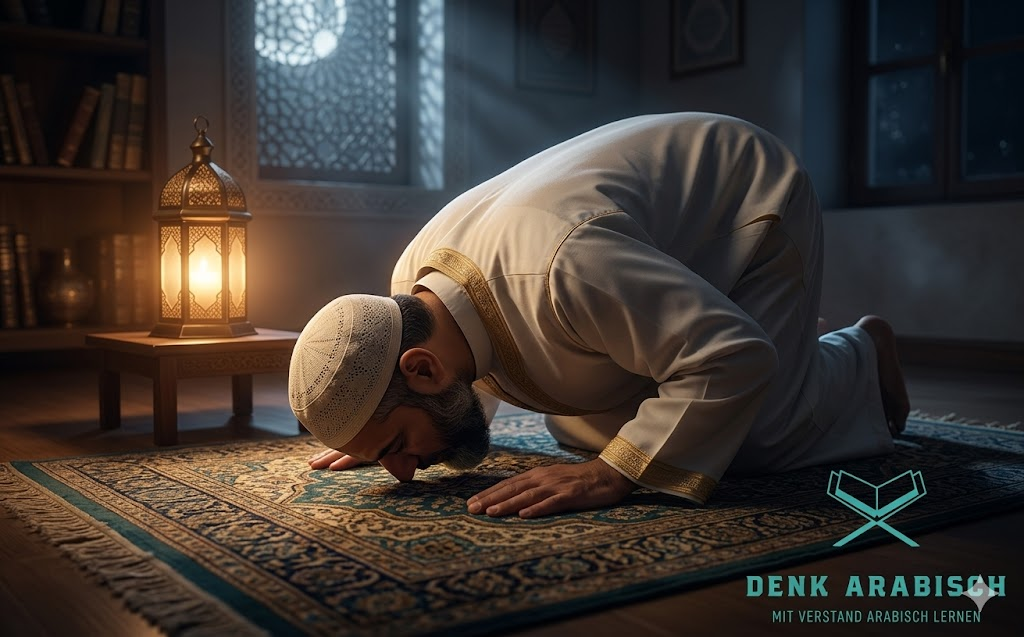
Being alone with Allah in the depths of the night and conversing with Him brings a wondrous comfort to the soul, removing worries, sorrows, and depression.
Willpower and Endurance:
Waking up from sleep and leaving a warm bed trains the soul in patience, willpower, and controlling desires.
Light in the Face and Heart:
It is narrated that Al-Hasan Al-Basri was asked why those who pray at night have the most beautiful faces. He replied, “Because they secluded themselves with the Most Merciful, so He clothed them with His light.”
Read also: Qiyam Prayer (Qiyam Al Layl)
The Physical Benefits of Waking Up for Tahajjud
Expelling Disease from the Body:
It is mentioned in some Hadith and traditions that the night prayer “drives away disease from the body.” Modern studies have shown that waking up at this time and then returning to sleep or starting the day helps regulate heart function and blood circulation, reducing nervous tension.
Energy and Vitality:
Whoever sleeps with the intention of waking up and prays Tahajjud will wake up energetic and in good spirits, as the Prophet ﷺ informed us. Conversely, whoever sleeps until morning wakes up in bad spirits and lazy.In short, Tahajjud prayer is the provision of the believer, a key to blessings and sustenance, and one of the secrets of success in life.
How to Pray Tahajjud and Its Benefits in Practice?
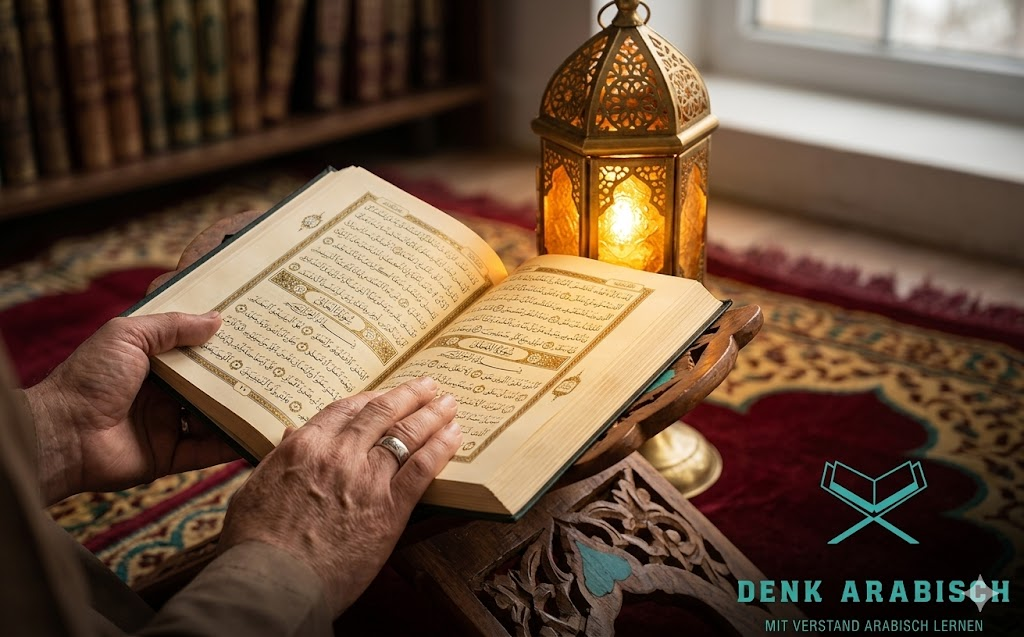
The method of performing Tahajjud is simple and clear for every Muslim who wishes to draw closer to Allah. It is prayed after waking up in the middle of the night, and its preferred time is the last third. This practical guide explains every step in detail so you can establish this beautiful act of worship with confidence and ease.
The Intention and Resolving in Your Heart Before Sleep
Before you go to sleep, make a sincere intention in your heart to wake up to perform the prayer for the sake of Allah Almighty. This internal resolve is the key that often wakes you up without the need for an alarm. The Prophet ﷺ said: “Whoever goes to his bed intending to wake up and pray during the night, but is overcome by sleep until morning, will have recorded for him what he intended, and his sleep is a charity for him from his Lord” (Narrated by An-Nasa’i). This intention is a silent commitment in the heart, not a phrase spoken with the tongue.
The Number of Rakahs to Pray
Tahajjud prayer is performed in pairs, meaning two Rak’ahs at a time. The minimum is two Rak’ahs, and there is no maximum limit. The Prophet ﷺ used to pray eleven or thirteen Rak’ahs, including the Witr. For employees and students with busy schedules, starting with two humble Rak’ahs is enough to build a consistent and sustainable habit.
Step by Step Performance from Takbeer to Tasleem
- Say the opening Takbeer “Allahu Akbar” and recite Surah Al-Fatihah.
- Recite whatever is easy from the Quran, preferably a short Surah like Al-Ikhlas.
- Bow (Ruku’) saying “Subhana Rabbiyal Adheem” at least three times.
- Rise from bowing saying “Sami’ Allahu liman hamidah, Rabbana wa lakal hamd”.
- Prostrate (Sujud) saying “Subhana Rabbiyal A’la” three times.
- Repeat the steps for the second Rak’ah.
- After every two Rak’ahs, sit for the Tashahhud and then say the Tasleem.
What to Recite During the Prayer
You can recite any verses or Surahs you have memorized from the Holy Quran. It is recommended to recite short and medium Surahs like Al-Ikhlas, Al-Falaq, and An-Nas. For advanced learners, longer passages like the end of Surah Al-Baqarah can be recited. For Muslims wishing to improve their Quranic pronunciation, our qualified teachers at Denk Arabisch offer excellent guidance tailored to your level.
Supplication in Sujud When You Are Closest to Allah
Prostration is the closest a servant can be to their Lord, so strive to supplicate during it for yourself, your family, and all Muslims. Among the supplications of the Prophet ﷺ in his prostration was:
Allahumma ighfir li dhanbi kullahu, diqqahu wa jillahu, wa awwalahu wa akhirahu, wa ‘alaniyatahu wa sirrahu
“O Allah, forgive me all my sins, the small and the great, the first and the last, the open and the secret” (Narrated by Muslim).
Concluding Tahajjud with Witr Prayer
Witr is an odd-numbered prayer with which you conclude the night prayer. It is prayed after finishing the even-numbered Rak’ahs of Tahajjud. You can pray Witr with one, three, five, or any odd number of Rak’ahs. The Prophet ﷺ commanded:
“Make the last of your prayers at night Witr” (Narrated by Al-Bukhari).

Read also: Fasting While Traveling In Ramadan
The Time for Tahajjud Prayer and When to Wake Up
The time for Tahajjud begins after the Isha prayer and extends until the true dawn (Fajr). The absolute best time is the last third of the night, when Allah Almighty descends to the lowest heaven and says: “Who is calling upon Me that I may answer him? Who is asking from Me that I may give him?” (Narrated by Muslim). You can calculate this time by dividing the night hours between Isha and Fajr into three parts.
The Last Third of the Night and How to Calculate It
The last third begins approximately two hours before the Fajr call to prayer. In Arab countries and around the world, prayer times vary according to the seasons. Use reliable prayer time apps to know the exact time. This last hour of the night is a precious opportunity for seclusion with Allah, away from the noise and preoccupations of life.
Praying Tahajjud Before Sleeping
No, the term “Tahajjud” specifically means waking up after sleeping. The linguistic root “Hajada” means to sleep, and “Tahajjud” means leaving sleep for worship. Whoever prays before sleeping is performing Qiyam al-Layl, which is also a great act of worship, but it is not called Tahajjud. Both are highly rewarded voluntary prayers, but Tahajjud is distinguished by the hardship of striving against oneself.
The Ending Time for Tahajjud Prayer
Its time continues until the moment of the Fajr call to prayer. If you wake up a few minutes before Fajr, you can pray two Rak’ahs before the morning prayer. Do not forget the Witr if you have not already prayed it after Isha.
What to Do If You Wake Up Late
If there is very little time left until Fajr, pray two Rak’ahs with humility and sincerity. Allah looks at your intention and effort. You can pray Witr with one Rak’ah without adding more. Consistency is more important than quantity; a short, regular prayer is better than a long prayer followed by abandonment.
Read also: Laylat al-Qadr: The Night of Decree – Meaning, Virtues, and Best Acts of Worship
Study Islamic knowledge with Denk Arabisch Academy
Deepen your understanding of Islam through authentic and structured learning
Join nowThe Meaning Behind the Name Tahajjud
The word “Tahajjud” is derived from the Arabic language and literally means “staying awake after a sleep” or “leaving sleep.” It refers to the prayer performed after sleeping at night, distinguishing it from the general Qiyam al-Layl, which can also be before sleeping.
The Difference Between Tahajjud Qiyam al Layl and Tarawih
- Tahajjud: Specifically the night prayer after waking up from sleep.
- Qiyam al-Layl: A general term encompassing any prayer at night, whether before or after sleeping.
- Tarawih: A special prayer in Ramadan after Isha, usually performed in congregation.
The following table summarizes the main differences:
| Prayer Type | Time | Sleep Requirement | Distinguishing Feature |
| Tahajjud | After waking up during the night | Prior sleep is required | Greater effort and striving against sleep |
| Qiyam al-Layl | Any time between Isha and Fajr | Not required | A comprehensive term for all night prayers |
| Tarawih | After Isha in Ramadan | Not required | Usually prayed in congregation in mosques |
The Linguistic Connection Between Tahajjud and Sleep
Linguistically, “Tahajjud” is derived from “Hujud,” meaning sleep. Thus, it means leaving sleep for the sake of worship. In Islamic jurisprudence, praying after sleep indicates greater sincerity because it overcomes the body’s desire for rest. Early scholars emphasized that whoever sleeps and then wakes up receives a higher reward for striving against laziness.
Is Tahajjud Obligatory or Sunnah
Tahajjud is a confirmed Sunnah and not an obligation upon the Ummah. It was obligatory for the Prophet ﷺ, as the Quranic verse indicates. For Muslims everywhere, it is a highly rewarded voluntary prayer. Muslims in Arab and Western societies can gradually introduce it into their routines without exhaustion.

Lesen Sie auch: Tarawih-Gebet im Ramadan: Rechtliche Grundlagen und spirituelle Vertiefung
What Our Students Say About Denk Arabisch Academy
See what our students say about learning at Denk Arabisch Academy on Trustpilot. Read their experiences and check out more reviews to discover how our courses help improve Arabic.

Study Islamic knowledge with Denk Arabisch Academy
Deepen your understanding of Islam through authentic and structured learning
Join nowStart Your Journey with Denk Arabisch
Do you want to learn how to perform Tahajjud correctly and improve your recitation of the Quran? Our native Arab teachers understand the unique challenges facing Arabic-speaking Muslims in the diaspora and the Arab world. With flexible online schedules and customized learning plans, Denk Arabisch supports you every step of the way.
| Course | Content | Target Audience |
| Tajweed Courses | Master articulation points and rules with expert guidance | Beginners and advanced learners |
| Quran Memorization Programs | Structured memorization plans suitable for all levels | All ages |
| Arabic Language Courses | Learn the language of the Quran from scratch | Non-Arabic speakers |
Start with a Free Trial Lesson Today
Book your first session now and discover how enjoyable and fruitful learning with Denk Arabisch can be. Our qualified teachers are specially trained to meet the needs of Muslims everywhere.
Our Courses Include:
- Arabic Courses for German Speakers
- Arabic Levels for German Speakers
- Arabic Dialect Courses for German Speakers
- Qur’an Learning Courses for German Speakers
- Islamic Studies Courses for German Speakers
- Courses for Muslim Kids for German Speakers
[Book Your Free Trial Lesson with Denk Arabisch Now]
Conclusion
Tahajjud prayer is not just Rak’ahs performed in the depths of the night; it is a spiritual journey that illuminates the darkness of hearts and renews tranquility in souls. Consistency in it opens the doors of mercy, facilitates the paths of life, and grants you the strength to face your daily challenges. Start with simple steps, and make these pure moments of seclusion with your Creator a provision that strengthens you in this world and the Hereafter.
Frequently Asked Questions About Tahajjud Prayer
Here are clear and direct answers to the most common questions about Tahajjud prayer. These answers will help you overcome practical obstacles and integrate this act of worship into your life smoothly.
Can Tahajjud Be Prayed in Congregation at Home
Yes, you can pray with your family at home. The Prophet ﷺ sometimes prayed alone and sometimes with his family. Praying together strengthens family bonds and encourages perseverance. Tarawih in Ramadan is prayed in congregation in mosques in the prescribed manner.
What Should I Recite If I Have Not Memorized Much of the Quran
You can recite short Surahs from the end of the Quran, such as:
– Al-Ikhlas: Qul huwa Allahu ahad
– Al-Falaq: Qul a’udhu birabbi al-falaq
– An-Nas: Qul a’udhu birabbi an-nas
These Surahs are easy to memorize and are repeated often. Denk Arabisch offers specialized courses for beginners to improve pronunciation and learn new Surahs with our qualified teachers.
Can a Menstruating Woman Pray Tahajjud
No, a menstruating woman does not perform obligatory or voluntary prayers. However, she can supplicate, remember Allah (Dhikr), and listen to the Quran. After purification, she returns to praying Tahajjud as usual.
How Do I Combine Tahajjud Shaf and Witr
Shaf’ refers to the even-numbered Rak’ahs that precede Witr. You pray Tahajjud in pairs (two, four, six…), then conclude with a single Rak’ah, which is the Witr. For example: If you want to pray eleven Rak’ahs, pray two Rak’ahs five times (ten Rak’ahs) and then one Rak’ah of Witr.
Is There a Specific Supplication to Say When Waking Up for Tahajjud
Yes, when the Prophet ﷺ woke up at night, he would say:
Allahumma lakal hamd, anta qayyimus samawati wal ardi wa man fihinna
“O Allah, to You belongs all praise. You are the Sustainer of the heavens and the earth and whoever is in them” (Narrated by Muslim). This supplication is said immediately upon waking up before starting the prayer.