Teaching children the Quran is one of the most valuable gifts parents can offer. In today’s fast-moving world, many Muslim families in Düsseldorf are searching for reliable ways to help their children learn the Quran correctly while also building strong Islamic values. Whether your child is just beginning with Arabic letters or already memorizing surahs, Quran learning helps shape character, discipline, spirituality, and confidence.
Families living in Düsseldorf are increasingly looking for structured Quran classes, qualified teachers, and child-friendly Islamic education programs. Parents want their children to not only recite the Quran beautifully but also understand its meaning and apply Islamic morals in daily life.
This guide explains why Quran learning is important for children, the benefits of early Islamic education, how parents in Düsseldorf can choose the right Quran program, and what makes modern Quran learning effective for young students.
Table of Contents
The Growing Need For Quran Education In Düsseldorf
Düsseldorf is home to a diverse Muslim community from different cultural backgrounds. As Muslim families grow in the city, the demand for quality Islamic education has increased significantly.
Parents often search online for:
- Quran classes for kids in Düsseldorf
- Arabic lessons for children
- Tajweed classes near me
- Islamic education for children
- Online Quran tutors in Germany
Because many parents balance work, school schedules, and family responsibilities, flexible Quran learning options have become very important. Some families prefer weekend classes at Islamic centers, while others choose online Quran lessons from home.
Local educational pages that include neighborhood-specific information and targeted content often perform better in search visibility because they directly address user needs.
What Children Usually Learn In Quran Classes In Düsseldorf?
A well-structured Quran program for children usually includes several learning stages depending on the child’s age, ability, and previous knowledge. Good Quran classes combine reading, memorization, Tajweed, and Islamic studies in a balanced and engaging way.
1. Arabic Alphabet Recognition
The first step for beginners is learning the Arabic alphabet. Children are introduced to Arabic letters, sounds, and basic pronunciation rules. Teachers often use colorful visuals, repetition techniques, flashcards, and interactive activities to make lessons easier and more enjoyable.
At this stage, children learn:
- Arabic letter shapes
- Letter sounds
- Joining letters
- Short vowels
- Basic reading practice
A strong foundation in Arabic recognition helps children progress confidently to Quran reading later.
Unlock a world of future academic and professional opportunities for your little ones by choosing our immersive Arabic Lessons For Kids at Denk Arabisch built on conversational confidence and fun.
2. Noorani Qaida
Many Quran programs use Noorani Qaida as an introductory reading book before children begin reading the Quran directly. Noorani Qaida teaches children how to combine letters, recognize vowel signs, and pronounce words correctly.
This step is extremely important because it prepares children for fluent Quran recitation with proper Tajweed. Teachers gradually guide students from simple letters to complete Arabic words and sentences.
Children who complete Noorani Qaida usually gain:
- Better pronunciation
- Reading confidence
- Understanding of Tajweed basics
- Improved fluency
3. Quran Reading
Once children understand Arabic letters and pronunciation basics, they begin reading short surahs from the Quran. Teachers help students practice slowly and correctly while focusing on fluency and confidence.
Children often start with:
- Surah Al-Fatihah
- Short surahs from Juz Amma
- Daily prayer surahs
As they improve, they continue reading longer chapters step by step. Regular reading practice helps children become more comfortable with Quranic Arabic and strengthens their recitation skills.
Make the most of your child’s peak learning years with an interactive, online Quran Course For Kids at Denk Arabisch designed to make hifz and revision an enjoyable daily highlight.
4. Tajweed Rules
Tajweed teaches children how to recite the Quran correctly with proper articulation, rhythm, and pronunciation. Learning Tajweed preserves the beauty and accuracy of Quran recitation.
Children study important Tajweed rules such as:
- Proper pronunciation points
- Noon and Meem rules
- Elongation rules (Madd)
- Stopping and pausing rules
- Heavy and light letters
Qualified teachers usually teach Tajweed gradually to avoid overwhelming young students. With practice, children learn how to recite the Quran smoothly and confidently.
Ensure your child recites every single letter with absolute precision and beauty by choosing our step-by-step Tajweed Course For Kids at Denk Arabisch that simplifies complex phonetic rules.
5. Memorization (Hifz)
Some children continue into Quran memorization programs, also known as Hifz programs. Depending on their goals and abilities, children may memorize:
- Short daily surahs
- Selected chapters
- Entire Juz sections
- The complete Quran
Memorization requires patience, revision, and consistency. Teachers often use repetition techniques and daily revision schedules to help students retain what they memorize.
Besides spiritual rewards, Hifz programs also strengthen memory, focus, and discipline. Many children feel proud and motivated as they complete new memorization goals.
6. Islamic Studies
Many Quran classes also include basic Islamic studies to help children understand Islam beyond recitation. These lessons make learning more meaningful and practical for daily life.
Islamic studies topics often include:
Stories Of The Prophets: Children learn inspiring stories about Prophets such as Prophet Adam, Prophet Nuh, Prophet Ibrahim, Prophet Musa, and Prophet Muhammad ﷺ. These stories teach valuable lessons about patience, courage, honesty, and faith.
Daily Duas: Children memorize important duas for everyday activities such as eating, sleeping, entering the home, and traveling.
Islamic Manners: Teachers explain the importance of respect, kindness, cleanliness, honesty, and helping others according to Islamic teachings.
Basic Fiqh For Children
Simple fiqh lessons help children understand basic Islamic practices such as:
- Wudu
- Salah
- Fasting
- Cleanliness
- Mosque etiquette
Understanding Simple Quran Meanings: Some programs also introduce children to simple Quran translations and explanations so they can understand the message behind the verses they recite.
Empower your children to navigate today’s world with unshakable confidence in their beliefs through a comprehensive Islamic Studies Course at Denk Arabisch that covers Seerah, Fiqh, and everyday manners.
Choosing The Right Quran Classes In Düsseldorf
Parents should carefully evaluate Quran programs before enrolling their children. A supportive learning environment is essential for long-term success.
Qualified Teachers
Experienced Quran teachers should have:
- Strong Tajweed knowledge
- Experience teaching children
- Patience and communication skills
- Understanding of child psychology
Child-Friendly Teaching Methods
Children learn best through encouragement and interactive lessons. Effective Quran classes often include:
- Visual learning tools
- Games and quizzes
- Reward systems
- Small class sizes
- Positive reinforcement
Flexible Scheduling
Busy families in Düsseldorf often prefer flexible schedules, including:
- Evening classes
- Weekend programs
- Online lessons
- One-on-one tutoring
Safe And Comfortable Environment
Parents should choose programs where children feel comfortable, respected, and motivated to learn.
Read also: Learning The Quran For Children In Stuttgart
Benefits Of Quran Learning For Children In Düsseldorf
Quran learning provides children with much more than reading and memorization skills. It helps young Muslims in Düsseldorf build strong moral values, improve discipline, strengthen their connection with Islam, and develop confidence while growing up in a multicultural society.
Through regular Quran education, children gain both spiritual and personal benefits that positively influence their daily lives, behavior, and future development.
1. Strengthening Islamic Identity
Muslim children living in Europe often grow up in multicultural environments where they interact with people from different religions, traditions, and lifestyles. While this diversity can be positive, it also makes it very important for children to understand their own faith and values clearly. Learning the Quran helps children stay connected to Islam and develop a strong Islamic identity from an early age.
When children study the Quran regularly, they become familiar with Islamic teachings, stories of the Prophets, and the principles of kindness, honesty, patience, and respect. This knowledge gives them confidence in practicing their religion proudly and respectfully. Quran education also helps children understand the importance of prayer, good character, and compassion toward others.
In addition, children who learn the Quran often feel a stronger emotional connection to the Muslim community. They gain a sense of belonging and develop pride in their faith while living in a modern European society like Düsseldorf.
2. Improving Arabic Pronunciation
One of the biggest benefits of Quran learning is improving Arabic pronunciation through Tajweed. Since Arabic may not be the first language for many children in Germany, learning the Quran introduces them to correct Arabic sounds and pronunciation patterns in a structured way.
Qualified teachers guide children step by step, helping them pronounce each Arabic letter correctly from its proper articulation point. This is very important because even small pronunciation mistakes can change the meaning of Quranic words.
Children who begin learning Arabic sounds early usually become more fluent readers later. Their listening skills also improve as they repeatedly hear Quran recitation during lessons and practice sessions. Over time, children gain confidence in reading Quranic verses smoothly and beautifully.
Learning Arabic through the Quran can also make it easier for children to study Islamic texts and understand simple Quranic meanings in the future.
3. Developing Discipline And Focus
Regular Quran classes encourage children to develop discipline, responsibility, and consistency in their daily lives. Attending lessons on time, revising memorization, and practicing recitation teach children the value of commitment and effort.
Memorization exercises especially help improve concentration and mental focus. Children learn how to pay attention carefully, repeat verses accurately, and remember details over long periods. These skills are not only beneficial for Quran studies but can also positively affect school performance and academic learning.
Many parents notice that children who memorize Quran often become more patient and organized. They learn how to manage their time and work toward long-term goals step by step. The process of memorizing surahs also strengthens memory and cognitive abilities, which can support learning in other subjects.
4. Building Emotional And Spiritual Connection
Listening to and reciting the Quran creates emotional peace and spiritual comfort for children. The beautiful rhythm and message of the Quran help children feel calm, secure, and spiritually connected to Allah.
As children grow, Quran learning teaches them that Islam is not only about rules but also about mercy, gratitude, patience, and hope. They begin learning important duas, daily supplications, and Islamic ethics that guide them in everyday situations.
For example, children learn prayers before eating, sleeping, traveling, and studying. These small habits strengthen their awareness of Allah throughout the day and help them build a strong spiritual foundation.
The Quran also provides emotional support during difficult moments. Children who grow up connected to the Quran often learn how to deal with stress, sadness, or fear with patience and faith.
Learn the Quran with Denk Arabisch Academy
Master reading and understanding the Quran through structured and supportive learning
Try a Free Trial5. Encouraging Good Manners
Islamic education places great importance on good character and respectful behavior. Quran classes teach children how to treat parents, teachers, friends, neighbors, and even strangers with kindness and respect.
Children learn valuable moral lessons such as:
- Speaking politely
- Helping others
- Being honest
- Showing patience
- Respecting elders
- Sharing with others
- Avoiding harmful behavior
These teachings positively influence children’s behavior both at home and at school. Parents often notice improvements in discipline, communication, and responsibility when children regularly attend Quran lessons.
The Prophet Muhammad ﷺ emphasized that the best Muslims are those with the best manners. Through Quran education, children learn that strong character is an important part of being a good Muslim.
Online Quran Classes For Children In Düsseldorf
Online Quran learning has become increasingly popular among families in Germany. Many parents appreciate the convenience and flexibility of virtual lessons.
Benefits of online Quran classes include:
- Learning from home
- Flexible timing
- Access to qualified international teachers
- Personalized one-on-one sessions
- Time-saving for parents
Children can learn using tablets, laptops, or smartphones while parents monitor lessons easily.
Online educational services with clear location targeting and optimized local content often attract more families searching for Quran learning opportunities.
Tips For Parents Supporting Quran Learning At Home In Düsseldorf
Parents play one of the most important roles in helping children succeed in Quran education. A child’s learning journey does not end after Quran class — the home environment also has a major impact on motivation, consistency, and confidence.
When parents actively support Quran learning at home, children usually develop a stronger connection with the Quran and enjoy the learning process more.
Creating a positive and encouraging atmosphere can help children stay excited about their Quran studies while building lifelong Islamic habits.
Create A Daily Quran Routine
Consistency is one of the biggest keys to successful Quran learning. Even short daily practice sessions can make a huge difference over time. Parents should try to establish a regular Quran routine that fits naturally into the child’s schedule.
For example, children can revise Quran:
- After Fajr prayer
- After school
- Before bedtime
- During weekends
Even 15–20 minutes of daily revision can improve memorization, pronunciation, and fluency significantly. Short, regular sessions are usually more effective than long sessions done only once or twice a week.
Having a fixed Quran study time also teaches children discipline, responsibility, and time management skills. Over time, Quran learning becomes a natural part of their daily routine rather than a difficult task.
Encourage Without Pressure
Children learn best in a positive and supportive environment. While parents naturally want their children to succeed, too much pressure can sometimes reduce motivation and create stress.
Positive encouragement works much better than strict criticism. Parents should celebrate progress, even small achievements such as:
- Memorizing a short surah
- Improving pronunciation
- Completing a lesson
- Reading more fluently
Simple rewards, praise, and words of encouragement can build confidence and help children feel proud of their efforts.
Every child learns at a different pace. Some children memorize quickly, while others may need more repetition and patience. Comparing children to others can negatively affect their confidence, so it is important to focus on steady improvement instead.
Listen To Quran Together
Playing Quran recitation regularly at home helps children become familiar with proper pronunciation and Tajweed naturally. Children often imitate what they hear, so listening to skilled reciters can improve their fluency and articulation over time.
Parents can:
- Play Quran recitation during car rides
- Listen together before bedtime
- Recite after prayer times
- Encourage children to repeat verses aloud
Listening to the Quran together also creates a peaceful and spiritual atmosphere in the home. It helps children develop emotional attachment and love for the Quran from an early age.
Many children become more motivated when they hear beautiful recitations by famous Quran reciters. Repetition also strengthens memorization and listening skills.
Be A Role Model
Children naturally imitate the behavior of their parents. When parents regularly read Quran, make dua, and practice Islamic manners, children are more likely to follow those habits willingly.
One of the best ways to encourage Quran learning is for parents to show that they also value the Quran in their own daily lives.
Parents can:
- Read Quran in front of their children
- Revise memorization together
- Discuss simple Quran meanings
- Pray together as a family
- Share Islamic stories and lessons
When children see Quran reading as an important family activity, they often feel more connected and motivated to participate.
A strong Islamic home environment helps children understand that Quran learning is not only for class time but for everyday life.
Use Interactive Learning Resources
Modern educational tools can make Quran learning more enjoyable and engaging for children. Young learners often respond well to visual and interactive methods that make lessons fun and easy to understand.
Parents can use:
- Educational Quran apps
- Interactive Arabic games
- Audio recitations
- Flashcards
- Islamic storybooks
- Animated learning videos
- Colorful Tajweed charts
These resources can help children practice independently while keeping their attention focused. Interactive learning is especially helpful for younger children who may struggle with long traditional study sessions.
Technology can also support revision and memorization when used in a balanced and supervised way.
Read also: Rewards Of Reciting The Quran – Spiritual And Worldly Benefits
How Quran Education Builds Strong Future Generations?
Children who grow up with Quran education often develop stronger moral foundations and clearer values. They learn:
- Respect for others
- Responsibility
- Patience
- Compassion
- Gratitude
- Self-discipline
These qualities help children become positive members of society while maintaining their Islamic identity.
Quran learning also strengthens family bonds because parents and children often revise together, attend Islamic activities, and support each other spiritually.
The Importance Of Tajweed For Children
Tajweed is essential because it preserves the correct pronunciation of Quranic verses. Learning Tajweed early helps children avoid mistakes that may become difficult to correct later.
Qualified Quran teachers guide children through:
- Letter articulation points
- Proper elongation rules
- Correct stopping points
- Rhythm and fluency
Children who practice Tajweed consistently often gain confidence in public recitation and prayer.
Making Quran Learning Enjoyable
Children stay motivated when learning feels enjoyable rather than stressful. Successful Quran programs usually combine education with creativity.
Fun learning methods include:
- Quran competitions
- Memorization rewards
- Interactive storytelling
- Group activities
- Nasheed sessions
- Visual learning materials
A positive learning atmosphere helps children build a lifelong love for the Quran.
Help Your Child Build a Strong Connection with the Quran at Denk Arabisch
Every parent wants their child to grow up confident, well-mannered, and connected to Islamic values. At Denk Arabisch, we help children learn Quran and Arabic in a fun, structured, and supportive online environment designed especially for young learners.
Imagine your child:
- Reading Arabic with confidence
- Reciting Quran with proper Tajweed
- Memorizing surahs step by step
- Understanding important Islamic values
That’s exactly what our experienced native Arabic teachers help children achieve every day.
Why Parents Choose Denk Arabisch
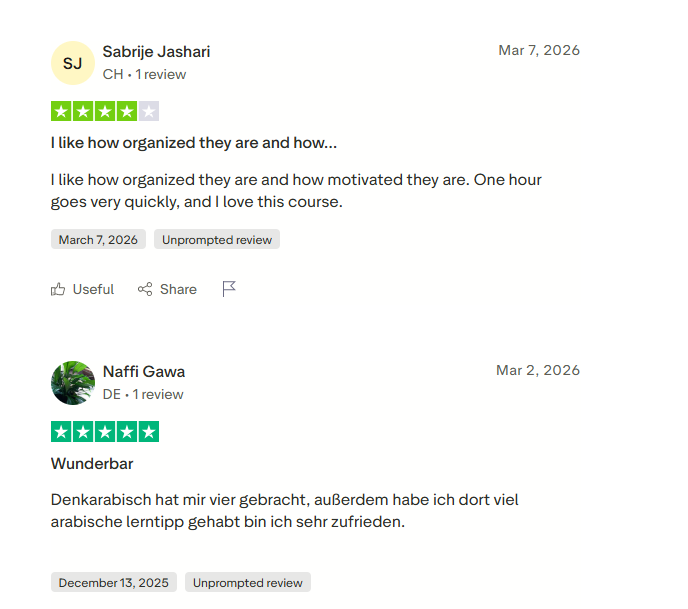
- Fun & Interactive Lessons: We make learning enjoyable so children stay engaged, motivated, and excited for every class.
- Qualified Native Teachers: Our patient instructors guide every child step by step based on their level and pace.
- Flexible Online Classes: Children can learn comfortably from home with schedules that fit busy family routines.
Our Programs For Kids
Limited Enrollment Available
Starting early helps children learn faster, improve pronunciation naturally, and build confidence from a young age.
Our upcoming student groups are filling quickly, and available seats are limited.
👉 Book your child’s FREE trial class today and discover how enjoyable Quran and Arabic learning can be with Denk Arabisch.
Learn the Quran with Denk Arabisch Academy
Master reading and understanding the Quran through structured and supportive learning
Try a Free TrialConclusion
Learning the Quran for children in Düsseldorf is more than an educational activity — it is an investment in faith, character, and future success. Quran education helps children strengthen their Islamic identity, improve discipline, and develop strong moral values from an early age.
Whether parents choose local Quran classes, private tutors, or online learning programs, the key is consistency, encouragement, and choosing qualified teachers who understand children’s needs.
By helping children connect with the Quran today, families build a strong spiritual foundation that can guide them throughout their lives.
FAQs
1. What Is The Best Age For Children To Start Learning The Quran?
Many children begin learning the Quran between the ages of 4 and 6, starting with Arabic letters and simple pronunciation. However, every child is different, and it is never too early to introduce Quran recitation, short duas, and Islamic teachings in a gentle and engaging way.
2. Can Non-Arabic Speaking Children Learn The Quran Easily?
Yes, non-Arabic speaking children can successfully learn the Quran with proper guidance and consistent practice. Qualified Quran teachers use step-by-step methods to teach Arabic pronunciation, Tajweed, and reading skills in a simple and child-friendly way.
3. How Long Does It Take For A Child To Learn Quran Reading?
The learning process depends on the child’s age, consistency, and practice routine. Some children learn basic Quran reading within several months, while others may need more time. Regular revision and supportive teaching usually help children progress faster.
4. What Is Tajweed In Quran Learning?
Tajweed refers to the rules of proper Quran pronunciation and recitation. It teaches children how to pronounce Arabic letters correctly, apply recitation rules, and read the Quran beautifully while preserving the meaning of the verses.
5. Are Online Quran Classes Good For Children?
Yes, online Quran classes have become very popular among Muslim families in Düsseldorf and across Germany. Online lessons provide flexibility, one-on-one attention, and access to qualified Quran teachers from home. Many children adapt very well to interactive virtual learning environments.