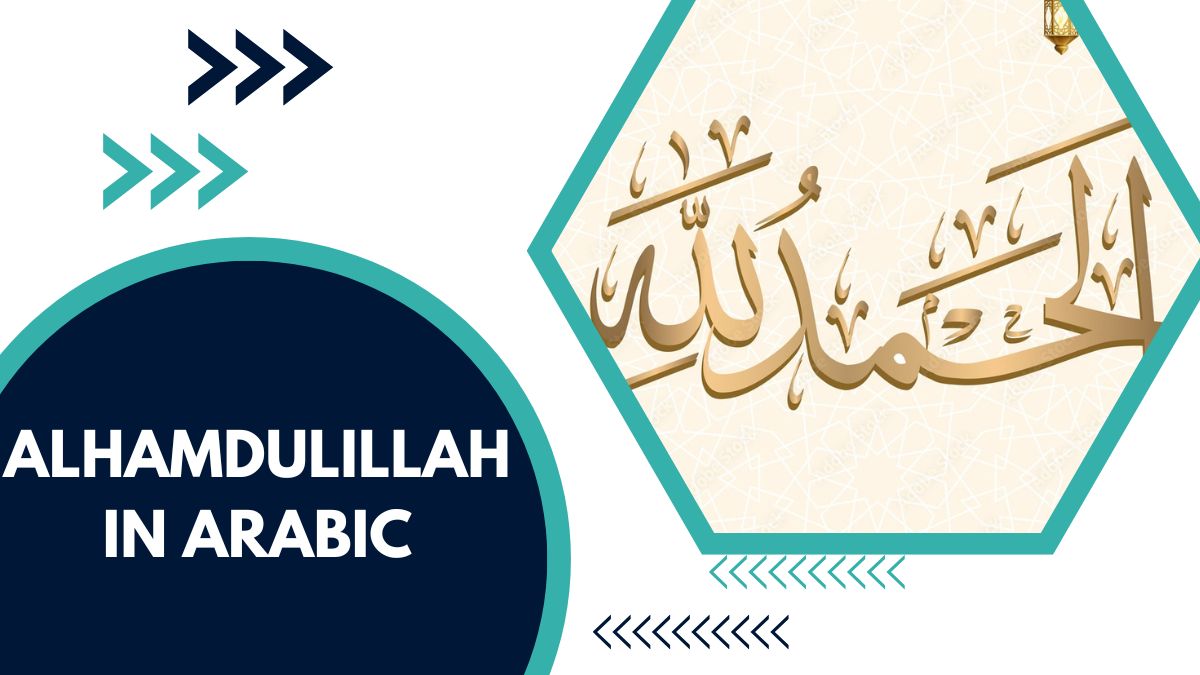
Alhamdulillah (الحمد لله) is one of the most frequently used phrases in Islam. It is often translated as “Praise be to Allah” or “All praise is due to Allah.” However, the meaning of Alhamdulillah goes much deeper than a simple expression of gratitude.
The phrase combines both praise and thankfulness. When a Muslim says Alhamdulillah, they acknowledge that Allah is the source of all blessings, mercy, guidance, and goodness. It is a declaration that Allah deserves praise in every situation, whether a person is experiencing ease or hardship.
The importance of this phrase is evident from the fact that Allah begins the Quran with it in Surah Al-Fatihah:
﴿الْحَمْدُ لِلَّهِ رَبِّ الْعَالَمِينَ﴾
“All praise is due to Allah, Lord of the worlds.” (Quran 1:2)
Because of its profound meaning and spiritual significance, Alhamdulillah is a central part of a Muslim’s daily life and worship.
Perfect your recitation and eliminate common pronunciation mistakes through a step-by-step Quran Tajweed Course at Denk Arabsich taught live by elite, certified native scholars
Table of Contents
The Meaning of Alhamdulillah in Arabic
The phrase consists of two parts:
- Al-Hamd (الحمد): Praise, appreciation, and gratitude.
- Lillah (لله): Belonging to Allah or for Allah.
Together, Alhamdulillah means that all forms of praise, gratitude, and appreciation belong exclusively to Allah.
Unlike a simple “thank you,” Alhamdulillah includes praise for Allah’s perfection, mercy, power, and wisdom. It acknowledges both the blessings we recognize and those we may not even be aware of.
Connect deeply with the profound meaning of every verse by practicing within our immersive Quran Recitation Course at Denk Arabsich led by handpicked Quranic masters.
Why Is Alhamdulillah Important in Islam?
Alhamdulillah reflects a believer’s relationship with Allah. It teaches Muslims to recognize Allah’s blessings, remain humble, and maintain gratitude regardless of circumstances.
The Prophet Muhammad ﷺ emphasized the virtue of praising Allah. In Islam, gratitude is not limited to words; it is also shown through actions, obedience, and recognition of Allah’s favors.
When a Muslim regularly says Alhamdulillah, they develop:
- A grateful mindset
- Greater contentment with life
- Trust in Allah’s wisdom
- Spiritual awareness
- Humility and appreciation
Rather than focusing on what is missing, Alhamdulillah reminds believers to appreciate what Allah has already provided.
When Should You Say Alhamdulillah?
One of the beautiful aspects of Islam is that Alhamdulillah can be said in many situations throughout the day.
1. After Receiving Good News
When something positive happens, Muslims say Alhamdulillah to thank Allah for the blessing.
Examples include:
- Getting a new job
- Passing an exam
- Recovering from illness
- Achieving a personal goal
- Receiving financial provision
Instead of attributing success solely to personal effort, Muslims recognize Allah as the ultimate source of all blessings.
Example:
الحمد لله، نجحت في الامتحان.
Alhamdulillah, I passed the exam.
2. After Eating and Drinking
The Prophet Muhammad ﷺ taught Muslims to praise Allah after finishing a meal.
Saying Alhamdulillah after eating expresses gratitude for:
- Food
- Water
- Health
- Sustenance
Every meal becomes an opportunity to remember Allah and appreciate His provisions.
Example:
الحمد لله الذي أطعمنا وسقانا.
Praise be to Allah who fed us and gave us drink.
3. Upon Waking Up
One of the recommended morning supplications includes praising Allah after waking from sleep.
Sleep is considered a temporary state resembling death, and waking up is viewed as a blessing from Allah. Therefore, beginning the day with praise helps cultivate gratitude from the very first moments of the morning.
الحمد لله الذي أحيانا بعدما أماتنا وإليه النشور.
“Praise be to Allah who gave us life after causing us to die, and to Him is the resurrection.”
4. During Difficult Times
Many people associate gratitude only with positive events, but Islam teaches believers to praise Allah in all circumstances.
Even during hardships, saying Alhamdulillah reflects faith that Allah’s wisdom is perfect and that every trial contains lessons, opportunities for growth, or hidden blessings.
This attitude strengthens patience and trust in Allah.
Example:
الحمد لله على كل حال.
Praise be to Allah in every situation.
5. After Sneezing
The Prophet Muhammad ﷺ instructed Muslims to say:
الحمدلله
“Alhamdulillah”
after sneezing.
This simple act transforms an everyday occurrence into a moment of remembrance and gratitude.
The listener responds:
يرحمك الله
May Allah have mercy on you.
6. During Daily Worship
Alhamdulillah is repeated regularly in:
- Daily prayers
- Quran recitation
- Supplications (du’a)
- Islamic lectures and reminders
Because Surah Al-Fatihah is recited in every unit of prayer, Muslims praise Allah multiple times each day through this phrase.
Go completely beyond basic articles and learn to live your faith beautifully with an engaging online Islamic Studies Course at Denk Arabisch designed for intellectual growth.
Different Ways to Say Alhamdulillah
While “Alhamdulillah” is complete on its own, there are several beautiful forms of praise found in Islamic teachings.
Example 1:
الحمد لله
All praise is due to Allah.
Transliteration: Alhamdulillah
This is the cornerstone of Islamic gratitude, serving as the foundational phrase of praise. It is a universal response used daily for everything—from surviving a long day, to eating a meal, or simply when asked how you are doing (“How are you? Alhamdulillah, I am fine”).
It acknowledges that every single blessing, whether recognized or hidden, originates solely from the Creator.
Example 2:
الحمد لله رب العالمين
All praise is due to Allah, Lord of the worlds
Transliteration: Alhamdulillahi Rabbil Alameen
This profound statement is the very first verse of Surah Al-Fatihah, the opening chapter of the Quran, which Muslims recite multiple times in their daily prayers.
It expands your gratitude from a personal level to a cosmic one, recognizing Allah not just as your Lord, but as the supreme ruler, protector, and provider for all of creation, across all realms of existence.
Example 3:
الحمد لله على كل حال
Praise be to Allah in every situation / under all circumstances.
Transliteration: Alhamdulillahi ‘Ala Kulli Hal
This is a powerful declaration of patience (Sabr) and contentment (Rida). Muslims utter this phrase during moments of hardship, loss, illness, or disappointment.
It is a conscious decision to praise Allah even when things do not go your way, reflecting a deep, unwavering belief that Allah’s wisdom is perfect and that every trial carries a hidden blessing or an opportunity for spiritual growth.
Example 4:
الحمد لله حمداً كثيراً طيباً مباركاً فيه
Praise be to Allah, abundant, pure, and blessed praise
Transliteration: Alhamdulillahi Kathiran Tayyiban Mubarakan Fih
Originating from an authentic Hadith, a companion of the Prophet Muhammad ﷺ recited this during prayer.
The Prophet ﷺ later remarked that he saw over thirty angels racing to be the first to write down its rewards because of how beautiful and beloved it is to Allah. It is used when you feel an overwhelming sense of joy and want to offer a praise that is spiritually rich, pure, and continuously blessed.
Example 5:
الحمد لله حمداً كثيراً
Praise be to Allah with abundant praise
Transliteration: Alhamdulillah Hamdan Kathiran
This formulation emphasizes the sheer volume and weight of the gratitude you wish to offer. It is a beautiful way to show that a simple “thank you” is not enough to cover Allah’s infinite favors.
It is frequently recited in daily morning and evening supplications (Adhkar) to fill one’s spiritual scale with heavy, sincere praise.
Example 6:
الحمد لله الذي بنعمته تتم الصالحات
Praise be to Allah by whose favor good deeds are completed
Transliteration: Alhamdulillāhi alladhī bini’matihi tatimmuṣ-ṣāliḥāt
This is the ultimate phrase of accomplishment. Based on the Sunnah, when the Prophet ﷺ received good news or witnessed something pleasing, he would say this.
It is the perfect phrase to use when you graduate, secure a new job, complete a difficult project, or witness a happy family occasion, reminding yourself that success is a gift from Him, not just the result of your own hard work.
Read also: Good Night In Arabic
Example 7:
الحمد لله الذي أحيانا بعد ما أماتنا وإليه النشور
Praise be to Allah who gave us life after He caused us to die (sleep), and to Him is the ultimate resurrection
Transliteration: Alhamdulillāhi alladhī aḥyānā ba‘da mā amātanā wa-ilayhi-n-nushūr
This is the very first supplication a Muslim is encouraged to say immediately upon opening their eyes in the morning. Islamic tradition views sleep as a “minor death.”
By starting your day with these words, you express gratitude for the physical gift of a new day, a fresh start, and another opportunity to do good deeds before returning to your Creator.
Learn Arabic with Denk Arabisch Academy
Speak and understand Arabic through a clear and effective learning system
Try a Free TrialExample 8:
الحمد لله على نعمة الإسلام
Praise be to Allah for the blessing of Islam.
Transliteration: Alhamdulillah ‘ala Ni’matil Islam
Often completed with the phrase “…wa kafa biha ni’mah” (and that alone is sufficient as a blessing). This expression shifts the focus from material blessings to spiritual ones.
It is said to express profound gratitude for having faith, divine guidance, and a clear purpose in life, recognizing that spiritual peace is the greatest gift one can ever possess.
Example 9:
يا رب لك الحمد كما ينبغي لجلال وجهك وعظيم سلطانك
O my Lord, all praise is due to You as suits the majesty of Your Countenance and the greatness of Your Sovereignty
Transliteration: Yā Rabbi lakal-ḥamdu kamā yanbaghī li-jalāli wajhika wa-li-‘aẓīmi sulṭānik
Mentioned in a famous Hadith, this phrase carries so much weight that the recording angels found it too immense to value.
They returned to Allah, who told them to record it exactly as the servant said it, leaving the reward to be given directly by Allah on the Day of Judgment. It is a highly reverent, majestic way to praise the Creator during deep personal supplications (Dua).
Example 10:
الحمد لله حمداً يوافي نعمه ويكافئ مزيده
Praise be to Allah, a praise that matches His blessings and equals His added bounties.
Transliteration: Alhamdulillāhi ḥamdan yuwāfī ni‘amahu wa-yukāfi’u mazīdah
This deeply eloquent expression is often used by scholars to begin lectures, sermons, or books. It is based on the Quranic promise: “If you are grateful, I will surely increase you [in favor].”
By reciting this, you are thanking Allah for what you already have while humbly positioning yourself to receive the blessings and grace He has promised for the future.
Example 11:
الحمد لله الذي عافاني في جسدي ورد علي روحي
Praise be to Allah who healed my body and returned my soul to me
Transliteration: Alhamdulillāhi alladhī ‘āfānī fī jasadī wa-radda ‘alayya rūḥī
A beautiful morning prayer that focuses on three specific, massive blessings: physical health, the gift of life for another day, and—most importantly—the spiritual clarity and divine permission to remember and praise Him.
It is a reminder that being able to pray or make Dhikr is itself a blessing that deserves its own gratitude.
Take the first crucial step toward unlocking your ultimate spiritual potential; claim an open spot in our high-demand Quran Reading Course at Denk Arabisch before cohorts fill up!
Examples of Alhamdulillah in the Quran
The Quran contains numerous examples where Allah teaches believers the importance of praise.
1. Surah Al-Fatihah (1:2)
﴿الْحَمْدُ لِلَّهِ رَبِّ الْعَالَمِينَ﴾
“All praise is due to Allah, Lord of the worlds.”
This is the first complete verse of praise encountered in the Quran and serves as the foundation of a Muslim’s daily worship.
2. Surah Al-An’am (6:1)
﴿الْحَمْدُ لِلَّهِ الَّذِي خَلَقَ السَّمَاوَاتِ وَالْأَرْضَ وَجَعَلَ الظُّلُمَاتِ وَالنُّورَ﴾
“Praise be to Allah, who created the heavens and the earth and made the darkness and the light.”
This verse connects praise with Allah’s creation and power.
3. Surah Al-Kahf (18:1)
﴿الْحَمْدُ لِلَّهِ الَّذِي أَنْزَلَ عَلَىٰ عَبْدِهِ الْكِتَابَ وَلَمْ يَجْعَل لَّهُ عِوَجًا﴾
“Praise be to Allah, who has sent down upon His servant the Book and has not made therein any deviance.”
Here, Allah praises Himself for the blessing of revelation and guidance through the Quran.
4. Surah Saba (34:1)
﴿الْحَمْدُ لِلَّهِ الَّذِي لَهُ مَا فِي السَّمَاوَاتِ وَمَا فِي الْأَرْضِ﴾
“Praise is due to Allah, to whom belongs whatever is in the heavens and whatever is on the earth.”
This verse highlights Allah’s ownership and authority over all creation.
Read also: How Many Words Are In Arabic?
5. Surah Fatir (35:1)
﴿الْحَمْدُ لِلَّهِ فَاطِرِ السَّمَاوَاتِ وَالْأَرْضِ﴾
“Praise be to Allah, Creator of the heavens and the earth.”
The verse emphasizes Allah’s role as the Creator and Sustainer of everything that exists.
Build a deep, lifelong legacy with the Holy Book by investing in an interactive Quran Memorization Course at Denk Arabisch that perfectly fits around your busy work or study schedule.
The Spiritual Benefits of Saying Alhamdulillah
Saying Alhamdulillah regularly has a profound impact on a Muslim’s spiritual, emotional, and mental well-being. It strengthens the connection with Allah, nurtures a grateful heart, and helps believers find peace and contentment in every stage of life.
1. Increases Gratitude
Regularly saying Alhamdulillah trains the heart to focus on blessings instead of shortcomings. In today’s fast-paced world, people often concentrate on what they lack rather than appreciating what they already have.
By making Alhamdulillah a daily habit, Muslims develop a mindset of gratitude and learn to recognize Allah’s countless favors, both big and small. This awareness helps foster contentment and reduces feelings of dissatisfaction.
2. Brings Inner Peace
Gratitude is closely connected to emotional and spiritual well-being. When believers acknowledge Allah’s blessings and trust in His wisdom, they experience a greater sense of peace and tranquility.
Saying Alhamdulillah reminds Muslims that everything they have is a gift from Allah and that every situation has a purpose. This perspective can reduce stress, anxiety, and excessive worry about worldly matters.
3. Strengthens Faith
Consistently praising Allah strengthens a believer’s relationship with their Creator. Every time a Muslim says Alhamdulillah, they reaffirm their belief that Allah is the source of all goodness, provision, and success.
This constant remembrance increases spiritual awareness and encourages believers to rely on Allah in every aspect of their lives.
4. Encourages Optimism
Alhamdulillah helps Muslims maintain a positive outlook, even during difficult times. Instead of focusing solely on challenges, believers are encouraged to look for the blessings that still exist in their lives and trust that Allah’s plan is always wise.
This attitude promotes resilience, patience, and hope, helping individuals face hardships with greater strength and confidence.
5. Leads to More Blessings
Allah promises in the Quran:
﴿لَئِن شَكَرْتُمْ لَأَزِيدَنَّكُمْ﴾
“If you are grateful, I will surely increase you.” (Quran 14:7)
This verse highlights the powerful connection between gratitude and divine blessings. When believers thank Allah for what they have, they demonstrate humility and appreciation, qualities that Allah loves.
Gratitude not only brings spiritual rewards but can also open the door to additional blessings in one’s faith, health, family, knowledge, and livelihood.
6. Promotes Patience During Hardships
One of the unique aspects of Islamic gratitude is that Muslims are encouraged to praise Allah not only during times of ease but also during times of difficulty.
Saying “Alhamdulillah ‘ala kulli hal” (Praise be to Allah in every situation) reminds believers that trials are part of Allah’s wisdom and that every challenge carries lessons, opportunities for growth, and potential rewards. This mindset helps cultivate patience and trust in Allah’s decree.
7. Enhances Mindfulness and Remembrance of Allah
Every time a Muslim says Alhamdulillah, they engage in dhikr (remembrance of Allah). Frequent remembrance keeps the heart connected to its Creator and prevents a person from becoming overly attached to worldly concerns.
Whether after waking up, eating, completing a task, or receiving good news, Alhamdulillah transforms ordinary moments into acts of worship.
8. Earns Great Rewards in the Hereafter
In Islam, even simple words of remembrance carry immense rewards. The Prophet Muhammad ﷺ emphasized the value of praising Allah, and many authentic hadiths highlight the virtues of dhikr.
By frequently saying Alhamdulillah, Muslims not only enrich their spiritual lives in this world but also accumulate rewards that will benefit them in the Hereafter.
Ultimately, Alhamdulillah is more than a phrase—it is a way of life. It nurtures gratitude, strengthens faith, brings peace to the heart, and helps believers maintain a positive and hopeful outlook while remaining connected to Allah in every circumstance.
How to Make Alhamdulillah Part of Your Daily Life?
Incorporating Alhamdulillah into everyday routines can strengthen your connection with Allah.
Practical ways include:
- Saying it when you wake up.
- Saying it after meals.
- Saying it after completing a task.
- Saying it after receiving good news.
- Saying it during hardships.
- Saying it after sneezing.
- Reflecting on Allah’s blessings before sleeping.
Over time, this habit transforms gratitude from an occasional reaction into a constant state of mind.
Read also: Islamic Arabic Morning Sayings
What Our Students Say About Denk Arabisch Academy
See what our students say about learning at Denk Arabisch Academy on Trustpilot. Read their experiences and check out more reviews to discover how our courses help improve Arabic.

Reconnect with the Words of Allah with Denk Arabisch!
How long have you promised yourself that you would fix your recitation, start memorizing, or finally study your deen deeply?
Life gets busy, but delaying your spiritual growth only widens the gap. Reading random translations or listening to audio clips will never give you the mastery, precision, and confidence that comes from a structured, live system.
Our new premium cohorts are launching right now, and seats are strictly limited to maintain intimate, high-quality classes. Once these live tracks are fully booked, registration will lock completely for the entire semester!
Choose Your Course – Which Step are You Taking Today?
- Quran Memorization Course: Our proven, step-by-step memorization strategies and dedicated retention techniques help you commit the Holy Quran to memory permanently, no matter your age or schedule.
- Quran Reading Course: We break down Arabic script rules into simple, interactive milestones so you can confidently read the divine text without hesitation.
- Quran Tajweed Course: Learn the correct Makharij (articulation points) and characteristics of Arabic letters directly from elite, certified instructors.
- Quran Recitation Course: This course focuses on practical application, allowing you to recite the Holy Book with absolute confidence, tranquility, and emotional connection during your daily prayers.
- Islamic Studies Course: Build an unshakeable foundation of faith (Aqeedah), prophetic history (Seerah), and daily practices (Fiqh). Gain practical, authentic knowledge tailored to help modern Muslims live their faith with absolute clarity.
Why keep guessing your way through your spiritual journey when you can learn live from handpicked, world-class native scholars?
Denk Arabisch takes the guesswork out of the equation, giving you a clear, structured path that fits seamlessly into your busy work or family life.
Do not postpone your relationship with the Quran any longer. Secure your seat today before registration closes completely!
Learn Arabic with Denk Arabisch Academy
Speak and understand Arabic through a clear and effective learning system
Try a Free TrialConclusion
Alhamdulillah is far more than a simple phrase. It is a powerful expression of faith, gratitude, and recognition of Allah’s greatness. Whether spoken during moments of joy, difficulty, success, or reflection, it reminds Muslims that every blessing comes from Allah and that He deserves all praise.
The Quran repeatedly teaches the importance of praising Allah, beginning with the opening chapter, Surah Al-Fatihah. By making Alhamdulillah a regular part of daily life, believers cultivate gratitude, strengthen their faith, and develop a deeper appreciation for the countless blessings Allah has bestowed upon them.
No matter the situation, Alhamdulillah remains a timeless reminder that Allah is worthy of all praise—today, tomorrow, and forever.
FAQs
1. What does Alhamdulillah mean?
Alhamdulillah (الحمد لله) means “All praise is due to Allah” or “Praise be to Allah.” It is an expression of gratitude, appreciation, and praise directed to Allah for His countless blessings and mercy.
2. When should Muslims say Alhamdulillah?
Muslims can say Alhamdulillah at any time. It is commonly said after receiving good news, completing a task, waking up, eating, recovering from illness, sneezing, or whenever expressing gratitude to Allah.
3. Is Alhamdulillah mentioned in the Quran?
Yes, Alhamdulillah appears in several places throughout the Quran. One of the most well-known examples is:
﴿الْحَمْدُ لِلَّهِ رَبِّ الْعَالَمِينَ﴾
“All praise is due to Allah, Lord of the worlds.” (Quran 1:2)
4. What is the difference between Alhamdulillah and Shukran?
Shukran (شكراً) means “thank you” and is generally used to thank people. Alhamdulillah is used to praise and thank Allah specifically. It combines both gratitude and praise, making it deeper in meaning than a simple expression of thanks.
5. Can I say Alhamdulillah during difficult times?
Yes. Muslims are encouraged to praise Allah in both good and difficult circumstances. A common phrase is:
الحمد لله على كل حال
“Praise be to Allah in every situation.”
Alhamdulillah ‘ala kulli hal
This reflects patience, trust, and faith in Allah’s wisdom.
6. What are the rewards of saying Alhamdulillah?
Saying Alhamdulillah is a form of dhikr (remembrance of Allah) and carries great rewards. The Prophet Muhammad ﷺ said: “Alhamdulillah fills the scale.” (Sahih Muslim) This highlights the immense spiritual value of praising Allah.