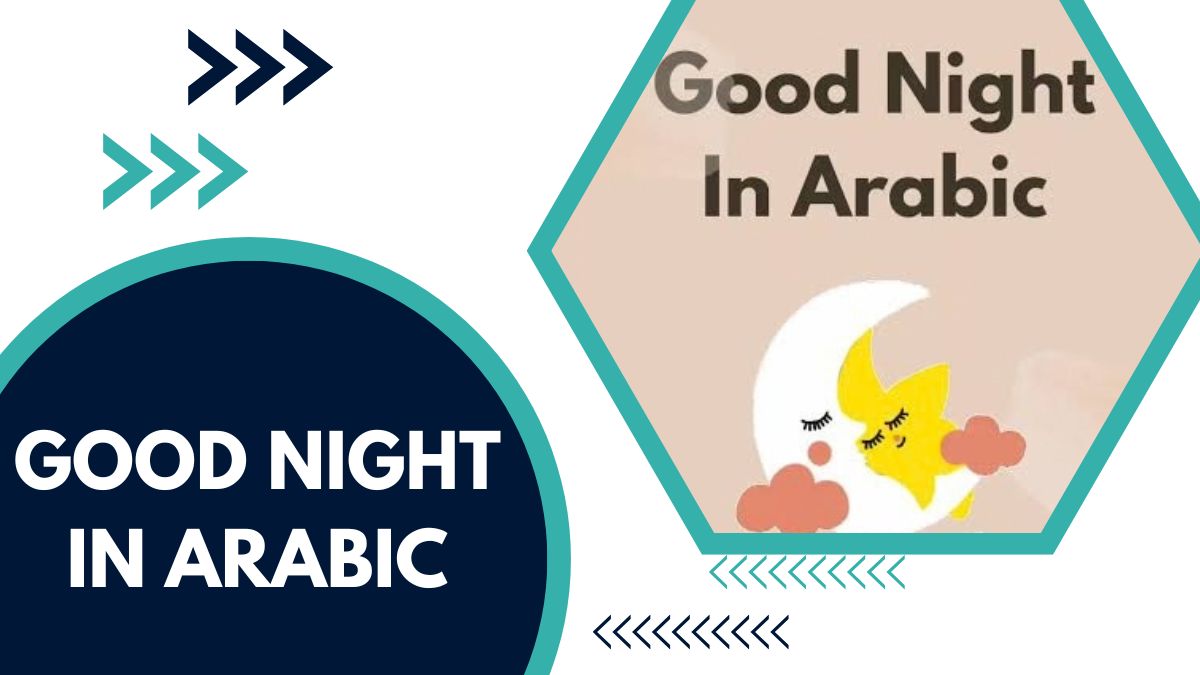
Learning how to say good night in Arabic is one of the easiest and most practical ways to improve your Arabic vocabulary. Whether you are traveling to an Arabic-speaking country, chatting with Arabic-speaking friends, studying the language, or simply interested in Arab culture, knowing how to wish someone a good night helps conversations feel more natural and friendly.
Arabic is spoken by hundreds of millions of people across the Middle East and North Africa. While different countries have their own dialects, several good-night expressions are understood throughout the Arabic-speaking world.
In this guide, you will learn the most common ways to say good night in Arabic, their pronunciation, variations for different situations, and how native speakers typically respond.
Table of Contents
The Most Common Way to Say Good Night in Arabic
The standard Arabic expression for good night is:
تصبح على خير
Transliteration: Tisbaḥ ʿalā khayr
It means: May you wake up to goodness.
The phrase “Tisbaḥ ʿalā khayr” is by far the most common and widely recognized way to say good night in Arabic. Whether you are speaking with family members, friends, colleagues, or even people you have just met, this phrase is appropriate in almost every situation.
Because it is understood throughout the Arabic-speaking world, it is one of the first evening expressions that Arabic learners should memorize.
Rather than focusing on the night itself, Arabic emphasizes the hope that the person wakes up the next morning surrounded by goodness, happiness, and blessings. This gives the expression a warm and thoughtful meaning that goes beyond a simple farewell.
This expression is widely used throughout the Arab world and is considered the most natural and universal way to wish someone a good night.
Example
تصبح على خير يا صديقي
“Good night, my friend.”
You may also hear the phrase combined with other well wishes, such as أحلام سعيدة (sweet dreams) or ليلة سعيدة (have a pleasant night).
Don’t let the fear of a new script hold you back any longer; secure your seat in our high-demand Arabic Course For Beginners at Denk Arabisch today before the upcoming term fills up completely!
What Does “Good Night In Arabic” Mean?
Unlike the English phrase “good night,” which simply wishes someone a pleasant evening, Arabic often focuses on the following day.
When Arabs say تصبح على خير, they are expressing a wish that the person wakes up to goodness, happiness, success, and blessings the next morning. This reflects the warm, caring, and community-oriented nature of Arabic greetings and farewells.
Because of its positive meaning, the phrase remains one of the most commonly used expressions before sleeping, ending a late-night phone call, or saying goodbye at the end of the day.
The phrase is:
- Polite
- Friendly
- Respectful
- Suitable for all ages
- Appropriate in formal and informal situations
- Common in both spoken and written Arabic
You can use it with:
- Family members
- Friends
- Colleagues
- Neighbors
- Teachers
- Clients
- Language partners
How to Pronounce Good Night in Arabic?
For English speakers, the most challenging sound is often خ (kh). This sound is produced from the back of the throat and resembles the “ch” sound in the German word Bach or the Scottish pronunciation of loch.
Don’t worry if your pronunciation is not perfect at first. Most native speakers will easily understand what you mean, and regular listening practice will help you improve over time.
A useful tip is to listen to native speakers saying the phrase and repeat it several times aloud. Consistent practice helps develop a more natural Arabic accent.
Fine-tune your advanced grammar, listening precision, or business writing with an interactive Arabic Alphabet Course at Denk Arabisch customized for goal-oriented adults.
Different Forms of Good Night in Arabic
Arabic changes slightly depending on who you are speaking to. Using the correct form can make your Arabic sound more natural and grammatically accurate.
| Target Audience | Arabic | Pronunciation | English Translation |
| To a Man | تصبح على خير | Tisbaḥ ʿalā khayr | Good night. |
| To a Woman | تصبحي على خير | Tisbaḥī ʿalā khayr | Good night. |
| To Two People | تصبحا على خير | Tisbaḥā ʿalā khayr | Good night to both of you. |
| To a Group | تصبحون على خير | Tisbaḥūna ʿalā khayr | Good night, everyone. |
Although these grammatical variations exist, many Arabic learners begin with تصبح على خير, which is the most useful form for everyday conversations. Once you become more comfortable with Arabic, learning the feminine and plural forms will help you communicate even more naturally.
Other Ways to Say Good Night in Arabic
Although تصبح على خير is the most common expression for saying good night in Arabic, native speakers use several other phrases depending on the situation, their relationship with the listener, and the tone they want to convey.
Some expressions are warm and affectionate, while others are more formal or carry a spiritual meaning. Learning these variations will help you sound more natural and better understand everyday Arabic conversations.
1. ليلة سعيدة
This expression is closer to the literal English phrase “good night.” It focuses on wishing someone a pleasant and enjoyable evening rather than specifically referring to sleep or the following morning.
Transliteration: Laylah saʿīdah
Meaning: Have a good night.
Example
ليلة سعيدة
“Have a pleasant night.”
It is polite, friendly, and commonly used in both speech and writing. You may hear it at the end of conversations, in emails, or even in television and radio broadcasts.
2. أحلام سعيدة
This phrase is often used with family members, children, close friends, or romantic partners. It adds a personal touch and expresses the hope that the person enjoys pleasant dreams while sleeping.
Transliteration: Aḥlām saʿīdah
Meaning: Sweet dreams.
Example
أحلام سعيدة يا حبيبتي
“Sweet dreams, my dear.”
Because it specifically refers to dreams, it feels slightly warmer and more affectionate than a standard good-night greeting. It is especially common in messages sent before bedtime.
3. نوم الهنا
This expression wishes someone restful and comfortable sleep. It is commonly used among family members and close friends and carries a caring tone.
Transliteration: Nawm al-hanā
Meaning: Sleep well.
Example
نوم الهنا يا حبيبي
“Sleep well, my dear.”
The phrase emphasizes comfort and relaxation, making it a lovely way to end an evening conversation.
4. ليلة هانئة
This phrase emphasizes tranquility, comfort, and emotional calmness. It is often used when wishing someone a restful evening after a long or stressful day.
Transliteration: Laylah hāniʾah
Meaning: Have a peaceful night.
Example
أتمنى لك ليلة هانئة
“I wish you a peaceful night.”
Many Arabic speakers use this expression when they want their good-night wish to sound especially thoughtful and sincere.
5. في أمان الله
This expression carries a spiritual meaning and is often used when saying goodbye in the evening or before parting ways for a longer period.
Transliteration: Fī amān Allāh
Meaning: In God’s protection.
Example
في أمان الله
“May you be in God’s protection.”
Many Arabic speakers appreciate this phrase because it combines a farewell with a blessing. It reflects the importance of faith and good wishes in many Arabic-speaking cultures.
Read also: Islamic Arabic Morning Sayings
Formal Ways to Say Good Night in Arabic
When speaking with elders, teachers, managers, clients, or people you do not know well, formal expressions can sound more respectful and courteous. These phrases are especially useful in professional settings, formal correspondence, and situations where you want to show extra politeness.
1. أتمنى لك ليلة سعيدة
This expression is polite, elegant, and suitable for both spoken and written communication. It is commonly used in professional contexts, polite social interactions, or even written messages to show respect.
Transliteration: Atamannā laka laylah saʿīdah
Meaning: I wish you a pleasant night.
The phrase focuses on wishing the recipient a positive, stress-free, and enjoyable evening before they go to sleep.
2. أتمنى لكم ليلة هادئة
This phrase is often used when speaking to a group, such as family members, friends, or a collective audience, and conveys warmth and consideration.
Transliteration: Atamannā lakum laylah hādiʾah
Meaning: I wish you a peaceful night.
The use of “hade’ah” (quiet/peaceful) emphasizes a wish for a serene environment, free from noise, stress, or disruptions, allowing everyone to unwind comfortably.
3. أتمنى لك نوماً هنيئاً
This expression emphasizes deep rest, physical recovery, and comfort, sounding especially thoughtful and sincere.
Transliteration: Atamannā laka nawman hanīʾan
Meaning: I wish you a pleasant sleep.
It goes beyond a simple farewell by wishing the person a highly restorative and satisfying sleep, making it a very warm and caring phrase to say to someone who has had a long, exhausting day.
4. أدعو الله أن يحفظك
This expression is especially respectful and deeply heartfelt. It is commonly used among Arabic speakers who wish to add a powerful and protective blessing to their farewell.
Transliteration: Adʿū Allāh an yaḥfaẓak
Meaning: I pray that God protects you.
This phrase reflects the deep cultural values of faith, mutual care, and goodwill, showing that you truly value the person’s safety and well-being through the night.
Ensure you are always appropriately challenged and supported by registering for our premium Arabic Courses Based On Levels at Denk Arabisch led by handpicked academic mentors.
Informal and Friendly Good-Night Expressions In Arabic
Among close friends and family members, Arabic speakers often use more relaxed and affectionate expressions. These phrases create a warm atmosphere and are commonly heard in everyday conversations.
1. تصبح على نور
This beautiful expression wishes someone a bright, positive, and joyful morning. It is often used as a warm, friendly, and poetic response to the standard greeting tishbaḥ ʿalā khayr.
Transliteration: Tisbaḥ ʿalā nūr
Meaning: Wake up to light.
By wishing “light” (nūr) upon the person, you are hoping their next day is filled with clarity, happiness, success, and positive energy from the moment they open their eyes.
2. نام بسلام
This phrase conveys a deep sense of comfort, calmness, and reassurance. It is especially suitable when wishing someone a restful, worry-free night’s sleep, encouraging them to let go of the day’s stress.
Transliteration: Nām bi-salām
Meaning: Sleep in peace.
This expression acts as a soothing reassurance, making it a beautiful way to end a late-night conversation with a close friend or family member.
3. أراك في الصباح
This practical yet friendly expression is commonly used when you expect to meet the person again the very next day.
Transliteration: Arāka fī aṣ-ṣabāḥ
Meaning: See you in the morning.
It serves as a natural and effortless way to end evening conversations among family members, roommates, classmates, or coworkers, reinforcing a sense of routine and closeness as you transition to the end of the day.
These informal expressions add variety to your Arabic vocabulary and help you sound more natural in everyday situations. By learning several different ways to say good night, you can choose the phrase that best matches the situation and your relationship with the person you are speaking to.
Learn Arabic with Denk Arabisch Academy
Speak and understand Arabic through a clear and effective learning system
Try a Free TrialHow to Respond to Good Night in Arabic
If someone says تصبح على خير to you, there are several natural ways to respond. Learning these replies is just as important as learning the greeting itself because it helps conversations flow naturally and shows that you understand common Arabic etiquette.
Many Arabic responses return the good wishes to the other person, while others express gratitude or offer a blessing in return. Using the appropriate response can make your Arabic sound more fluent and culturally authentic.
1. وأنت من أهله
This is the most classic, traditional, and widely used Arabic response to the standard good-night wish Tisbaḥ ʿalā khayr.
Transliteration: Wa anta min ahlih
Meaning: And may you wake up to goodness as well.
For a Woman: وأنتِ من أهله (Wa anti min ahlih)
It beautifully returns the blessing by implying that the person wishing you well is also deserving of all that goodness. For a female recipient, it gracefully adapts to وأنتِ من أهله (Wa anti min ahlih).
2. وأنت أيضاً
This is a simple, direct, and universal response that works seamlessly in almost any social context, whether formal or informal.
Transliteration: Wa anta ayḍan
Meaning: You too.
Because of its straightforward nature, it is incredibly easy to remember and acts as a safe, polite way to reciprocate bedtime wishes without needing to worry about complex phrasing.
3. وأنت كذلك
This phrase politely and warmly returns the good wishes to the other person.
Transliteration: Wa anta kathālik
Meaning: Same to you.
It is commonly used in everyday speech and adds a touch of classic courtesy to your evening farewells, making the other person feel appreciated and respected before they go to sleep.
4. شكراً
This is a universally polite response that fits perfectly in absolutely any situation, from highly formal professional emails to casual family chats.
Transliteration: Shukran
Meaning: Thank you.
For example:
شكراً، وأنت أيضاً
“Thank you, and you too.”
It can easily stand on its own to acknowledge someone’s kindness, or be combined with other phrases—such as شكراً، وأنت أيضاً (Shukran, wa anta ayḍan / “Thank you, and you too”)—to make your reply sound even warmer.
Read also: How Many Words Are In Arabic?
5. الله يحفظك
This reply returns a good-night wish with a deep and warm spiritual blessing.
Transliteration: Allāh yaḥfaẓak
Meaning: May God protect you.
Highly favored among family members, close friends, and loved ones, it showcases the strong cultural importance of faith, safety, and mutual goodwill in the Arabic-speaking world, wishing the other person a safe and protected night under God’s care.
Connect deeply with friends, family, or colleagues on a completely different level through immersive Arabic Dialect Courses at Denk Arabisch that teach you native idioms and expressions.
Cultural Importance of Saying Good Night in Arabic
Arabic greetings and farewells are much more than simple words. They often carry wishes for health, safety, blessings, happiness, and divine protection. As a result, even a brief good-night exchange can express genuine care and respect.
When you learn expressions such as تصبح على خير, you gain insight into Arab culture, social customs, and values. These phrases help strengthen personal relationships and create a warm atmosphere in conversations.
Many Arabic expressions focus on:
- Kindness
- Respect
- Family connections
- Hospitality
- Faith
- Good wishes for others
- Community and togetherness
Using these expressions appropriately can make conversations feel warmer, friendlier, and more authentic. Native speakers often appreciate the effort made by language learners who use culturally appropriate greetings.
Even a simple phrase like “good night” can leave a positive impression and help strengthen relationships over time.
Practical Examples of Good Night in Arabic
The best way to remember new expressions is to see them used in realistic situations. Here are some common examples that you can start using immediately.
Between Friends:
تصبح على خير يا صديقي
“Good night, my friend.”
A friendly and casual expression suitable for everyday conversations.
To a Woman:
تصبحي على خير
“Good night.”
This is the correct form when addressing a female.
To Family Members:
أحلام سعيدة يا أمي
“Sweet dreams, Mom.”
A warm and affectionate phrase often used with family members.
To a Group:
تصبحون على خير جميعاً
“Good night, everyone.”
A useful expression when speaking to several people at once.
Warm Farewell:
في أمان الله
“May you be in God’s protection.”
A respectful and meaningful way to end a conversation in the evening.
Romantic Message:
تصبحي على خير يا حبيبتي وأحلام سعيدة
“Good night, my dear, and sweet dreams.”
A loving expression commonly used between spouses or romantic partners.
Before a Phone Call Ends:
تصبح على خير، أراك غداً إن شاء الله
“Good night, see you tomorrow, God willing.”
A natural phrase often heard among friends, coworkers, and family members.
After a Long Day:
أتمنى لك ليلة هادئة ونوماً هنيئاً
“I wish you a peaceful night and a restful sleep.”
This expression sounds thoughtful and caring, especially when someone has had a busy or difficult day.
By practicing these examples and using them in real conversations, you will quickly become more comfortable saying and responding to good night in Arabic in a natural and culturally appropriate way.
Transform your understanding of the Holy Book from the comfort of your home; register for our premier Quranic Arabic Course for German Speakers at Denk Arabisch before the registration window closes!
Tips for Remembering Good Night in Arabic
Learning new vocabulary becomes much easier when you use it consistently in real-life situations. Instead of simply memorizing words, try to incorporate them into your daily routine. A few simple habits can help you remember and confidently use good night in Arabic whenever the opportunity arises.
1. Practice Daily
Regular repetition is one of the most effective ways to remember new language expressions. The more often you use a phrase, the more natural it becomes. Try saying تصبح على خير every evening before going to bed or when ending a conversation at night.
2. Use It in Text Messages
Using new vocabulary in real conversations helps reinforce your memory and build confidence. Send تصبح على خير to Arabic-speaking friends, language partners, or family members in text messages. Seeing and using the phrase regularly will help it become second nature.
3. Learn Related Expressions
Learning similar greetings and everyday expressions together can improve retention and make your Arabic sound more natural. Instead of learning one phrase in isolation, build a small collection of commonly used expressions.
Try learning additional everyday phrases such as:
- Hello in Arabic
- Thank You in Arabic
- Good Morning in Arabic
- You’re Welcome in Arabic
Grouping related expressions together helps strengthen your vocabulary and improves conversational fluency.
4. Listen to Native Speakers
One of the best ways to improve your pronunciation and understanding is by listening to native speakers. Arabic TV shows, movies, podcasts, and social media videos often include common greetings and farewells used in everyday life.
Pay attention to how native speakers say تصبح على خير, their pronunciation, and the situations in which they use it. Regular listening practice will help you sound more natural and become more comfortable understanding spoken Arabic.
Read also: Alhamdulillah In Arabic
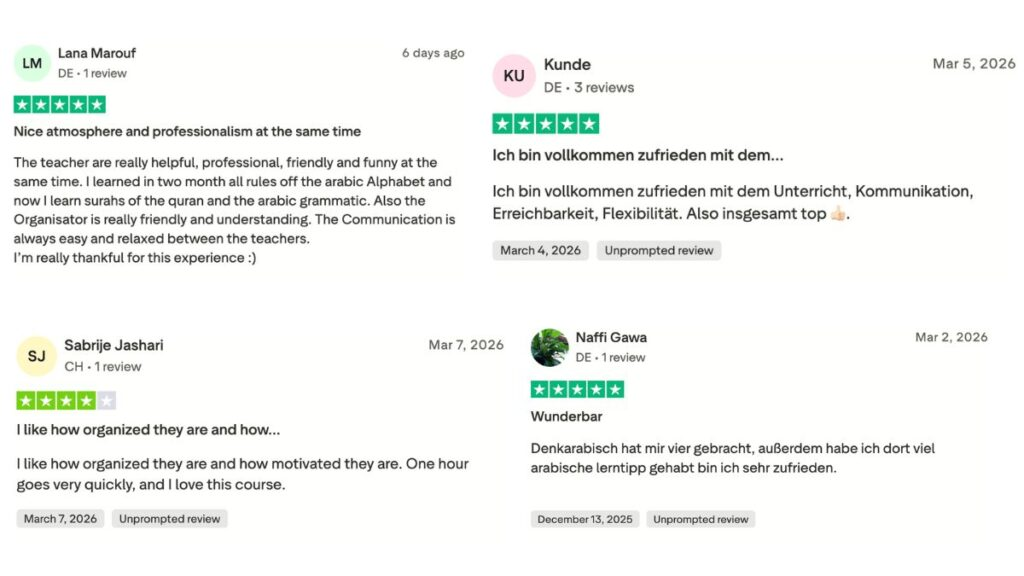
What Our Students Say About Denk Arabisch Academy
See what our students say about learning at Denk Arabisch Academy on Trustpilot. Read their experiences and check out more reviews to discover how our courses help improve Arabic.
Unlock Real Arabic Fluency with Denk Arabisch!
Let’s be entirely real: wishing you understood Arabic won’t make you fluent. Another year of watching random videos or collecting dusty PDFs will only leave you right where you are today—struggling with the basics, relying on translated text, and feeling left out of true cultural and spiritual conversations.
The DIY approach isn’t working because it lacks structure and live feedback. You don’t need more endless resources; you need a definitive roadmap, real-time correction from experts, and a high-accountability environment that pushes you to succeed.
Our premium live cohorts are officially loading, and to guarantee an elite, high-touch learning experience, seats are strictly rationed. Once these slots hit capacity, enrollment closes instantly for the rest of the term. No exceptions.
Denk Arabisch offers:
- Arabic Course For Beginners: Conquering a new language doesn’t have to be intimidating. Skip the dry, traditional methods and dive straight into a conversational framework that has you constructing your own authentic phrases right from day one.
- Quranic Arabic Course for German Speakers: Bridge the linguistic gap directly without losing the profound depth of the classical text.
- Arabic Courses Based On Skills & Topics: Zero fluff, pure efficiency. Perfect for target-driven individuals who want to master precise nodes—like corporate communication, advanced grammar, or specialized media text—without wasting a second on what they don’t need.
- Arabic Dialect Courses: Move past rigid, robotic vocabulary. Master the vibrant, everyday phrasing spoken on the streets right now so you can converse naturally, share jokes, and build genuine bonds with native speakers.
- Arabic Courses Based On Levels: Never sit through repetitive introductory lessons again.
The Countdown Has Begun — Seats Are Disappearing Every Hour!
Why keep spinning your wheels with slow, self-guided study when you can learn live from handpicked, elite native linguists?
Denk Arabisch strips away the confusion, shortcuts your path to mastery, and provides an online schedule flexible enough to fit seamlessly into a busy corporate or university lifestyle.
Every day you wait is another day you delay your potential. Claim your digital seat right now before the final slots vanish completely!
Learn Arabic with Denk Arabisch Academy
Speak and understand Arabic through a clear and effective learning system
Try a Free TrialConclusion
The most common way to say good night in Arabic is تصبح على خير (Tisbaḥ ʿalā khayr). While it literally means “may you wake up to goodness,” it functions exactly like “good night” in everyday conversation.
You can also use expressions such as ليلة سعيدة (have a good night), أحلام سعيدة (sweet dreams), نوم الهنا (sleep well), and في أمان الله (in God’s protection) depending on the situation.
Learning these phrases not only expands your Arabic vocabulary but also helps you connect more naturally with Arabic speakers. Since evening greetings are used every day, mastering them is a simple yet powerful step toward becoming more confident in Arabic conversations.
FAQs
1. How do you say good night in Arabic?
The most common way to say “good night” in Arabic is تصبح على خير (Tisbaḥ ʿalā khayr). It literally means “may you wake up to goodness” and is used throughout the Arabic-speaking world.
2. What is the Arabic phrase for sweet dreams?
The Arabic phrase for “sweet dreams” is أحلام سعيدة (Aḥlām saʿīdah). It is often used with family members, close friends, children, and romantic partners.
3. How do you say good night to a woman in Arabic?
When speaking to a woman, you should say تصبحي على خير (Tisbaḥī ʿalā khayr). This is the feminine form of the standard good-night expression.
4. How do you say good night to a group in Arabic?
To wish a group of people good night, use تصبحون على خير (Tisbaḥūna ʿalā khayr), which means “good night, everyone.”
5. What is the proper response to تصبح على خير?
The most common reply is وأنت من أهله (Wa anta min ahlih), which roughly means “and may you wake up to goodness as well.” Other common responses include وأنت أيضاً (you too) and وأنت كذلك (same to you).
6. Is تصبح على خير used in all Arabic-speaking countries?
Yes. تصبح على خير is understood and used across most Arabic-speaking countries, making it one of the most universal Arabic evening greetings.