Takeaway:
- Condolences in Arabic culture are called Al-Ta‘ziyah (التعزية), a religious and social duty rooted in community, patience, and shared humanity.
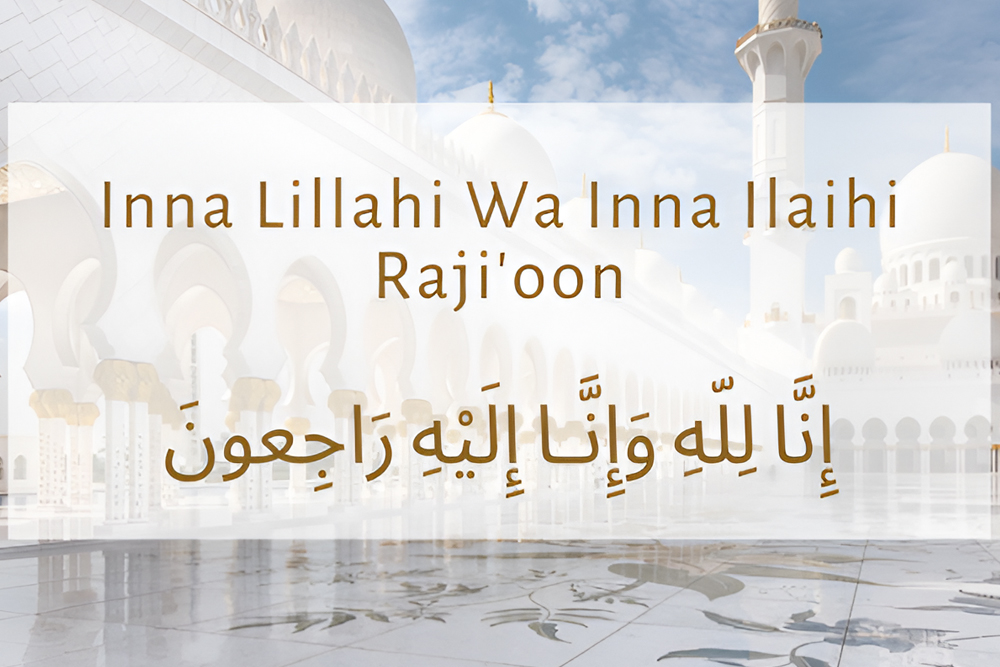
- The most common Islamic phrase upon hearing of a death is “Innā Lillāhi wa Innā Ilayhi Rāji‘ūn” (إنَّا لِلَّهِ وَإنَّا إلَيْهِ رَاجِعُونَ), meaning “To Allah we belong and to Him we return.”
- Other key prayers include “Aẓẓama Allahu Ajrakum” (May Allah magnify your reward) and “Al-Baqa’ Lil Allah” (Permanence is for God alone), often said while shaking hands.
- Formal condolences use phrases like “Uzzeekum fi wafati…” (I offer my condolences for the death of…) or “Ataqaddam ilaykum bikhalesi al-ta‘aze” (I offer deepest condolences).
- Informal, heartfelt expressions include “Qalbī ma‘akum” (My heart is with you) and “Ana bejanbikum” (I am by your side).
- Supplications (dua) for the deceased change by gender: “Allah yerhamo” for a man, “Allah yerhamha” for a woman; “Ghafar Allah lahu/laha” for forgiveness.
- Regional dialects provide local touches: In Egypt, “El-baqiyya fi hayatak” (May the remainder be in your life); in the Levant, “El-omr elak” (May you have a long life); in Morocco, “Raham Allah el-faqid wi yeṣabbar ahlo” (May God have mercy and grant patience).
- Mourning traditionally lasts three days, during which brief home visits (15–30 minutes) are made to offer support; widows observe Iddah of four months and ten days.
- Wear dark, modest clothing; avoid bright colors and flashy accessories. Sending flowers is generally discouraged—practical help like meals or charitable donations (Sadaqah Jariyah) is preferred.
- Body language matters: a hand on the heart, a gentle handshake, or a hand on the shoulder conveys empathy; listening quietly is often the greatest comfort.
- When receiving condolences, reply with “Shukran Jazilan” (Thank you very much), “Baraka Allahu fik” (May Allah bless you), or “Shakar Allahu sa‘yakum” (May God reward your effort).
- Sincerity and presence outweigh perfect pronunciation—your genuine intent to support the grieving family is always deeply valued.
Dealing with the loss of a loved one is a universal human experience, but the ways we express our support are deeply rooted in culture and faith. In the Arab world, offering Al-Ta‘ziyah (التعزية)—or condolences—is more than just a polite gesture; it is a vital social and religious duty that emphasizes community, patience, and shared humanity.
For those interacting with Arabic-speaking friends, colleagues, or neighbors, knowing how to convey sympathy correctly is a powerful way to show respect and empathy. This guide is designed to help you navigate these sensitive moments with grace, providing you with essential phrases, regional variations, and the foundational etiquette required to offer comfort during a time of mourning.
Table of Contents
The Islamic Condolences In Arabic
In Arabic culture, especially within Islamic traditions, condolences often focus on the return to the Creator and the hope for divine mercy.
| Arabic Phrase | Transliteration | Meaning & Usage |
| إنَّا لِلَّهِ وَإنَّا إلَيْهِ رَاجِعُونَ | Innā Lillāhi wa Innā Ilayhi Rāji‘ūn | “To Allah we belong, and to Him we shall return.” Used immediately upon hearing the news. |
| عَظَّمَ الله أَجْرَكُمْ | ‘Aẓẓama Allahu Ajrakum | “May Allah magnify your reward.” Acknowledges the family’s patience during hardship. |
| أَحْسَنَ الله عَزَاءَكُمْ | Aḥsana Allahu ‘Azā’akum | “May Allah grant you better consolation.” A prayer for peace and strength. |
| البقاء لله | Al-Baqa’ Lil Allah | “Permanence is for God alone.” Used traditionally when shaking hands with the bereaved. |
👉 Understanding the depth of these phrases is the first step toward true cultural integration. At Denk Arabisch, we believe that language is the key to empathy. Our Arabic Lessons go beyond vocabulary to help you understand the heart of Arab traditions.
Arabic Condolence Formal and Informal Expressions
Depending on your relationship with the bereaved, you may choose to be more formal or more personal.
1. Arabic Condolence Formal Expressions
Using formal language helps convey respect and compassion during a sensitive time.
| Arabic Phrase | Transliteration | English Translation |
| أعزيكم في وفاة (Name) | ‘Uzzeekum fi wafati… | I offer you my condolences for the death of (Name). |
| أتقدم إليكم بخالص التعازي | Ataqaddam ilaykum bikhalesi al-ta’aze | I offer you my deepest condolences. |
| نشاطركم الأحزان | Nushātrikum al-ahzān | We share in your sorrows (often used in letters/emails). |
2. Arabic Condolence Informal Expressions
These allow for a more personal connection and heartfelt empathy.
| Arabic Phrase | Transliteration | English Translation |
| أنا بجانبكم في هذه اللحظات | Ana bejanbikum fi hathihi al-lahazat | I am by your side in these difficult moments. |
| أتمنى لكم الصبر | Atamanna lakum al-sabr | I wish you patience. |
| قلبي معكم | Qalbī ma’akum | My heart is with you. |
Gender-Specific Dua for the Deceased In Arabic
In Arabic, dua (دعاء) change depending on whether you are making a supplication for a man or a woman. It is important to adjust the pronouns correctly to show respect and ensure accurate expression.
| For a Male Deceased | For a Female Deceased | English Meaning |
| الله يرحمه (Allah yerhamo) | الله يرحمها (Allah yerhamha) | May Allah have mercy on him/her. |
| غفر الله له (Ghafar Allah lahu) | غفر الله لها (Ghafar Allah laha) | May Allah forgive him/her. |
| اللهم اغفر له وارحمه | اللهم اغفر لها وارحمها | O Allah, forgive him/her and have mercy. |
| الله يُسكنه فسيح جناته | الله يُسكنها فسيح جناته | May Allah grant him/her a place in Paradise. |
👉 Master Arabic grammar and gender nuances with ease! Visit and join the Denk Arabisch. Our structured courses are designed to help you speak with precision and confidence with Arabic Speaking Course.
Read also: Why Is The Quran In Arabic?
Arabic Condolence In Different Parts of the Arab World
While Modern Standard Arabic is understood by all, using a local dialect can show a deeper level of cult
| Region | Arabic Phrase | Meaning/Context |
| Egypt | البقية في حياتك | “May the remainder [of life] be in yours.” (Standard Egyptian response). |
| Levant | العمر إلك / العمر لكم | “May you have a long life.” Used in Lebanon, Syria, Jordan, and Palestine. |
| Morocco | رحم الله الفقيد ويصبر أهلو | “May God have mercy on the deceased and grant his family patience.” |
Learn Arabic with Denk Arabisch Academy
Speak and understand Arabic through a clear and effective learning system
Try a Free TrialCondolence Etiquette In The Arabic Culture
Understanding the customs surrounding Al-Azaa’ (the mourning period) is just as important as the words themselves.
1. The Three Days of Mourning
Traditionally, mourning lasts for three days. This is the primary window for visiting the family to offer support.
- The Gathering: Families often open their homes or rent community halls to receive mourners. In many communities, men and women may have separate areas for receiving guests.
- The Iddah (العدة): For a widow, the mourning period (Iddah) is specifically four months and ten days.
2. Important Tips for Visitors:
- Be Brief: Condolence visits should be focused and respectful. Enter, offer your prayers, stay for a short time (usually 15–30 minutes), and leave to allow others to pay their respects.
- Dress Modestly: Wear dark, somber colors such as black, navy, or dark gray. Avoid bright colors, flashy jewelry, or loud patterns.
- Actions Over Flowers: Unlike Western traditions, sending flowers is generally not recommended as it can be seen as superfluous. Instead, offer practical help—such as bringing a meal—or donate to a charity in the deceased’s name (Sadaqah Jariyah).
- Body Language: A hand over the heart while nodding, a gentle handshake, or a hand on the shoulder are all powerful signs of empathy.
- Listen Attentively: Often, just being a quiet, listening ear is the most comforting thing you can provide.
How to Respond to Condolences
If you are the one receiving sympathy, common and polite responses include:
| Arabic Response | Transliteration | English Translation |
| شُكراً جَزِيلاً | Shukran Jazilan | Thank you very much. |
| بارك الله فيك | Baraka Allahu fik | May Allah bless you. |
| الحمد لله على كل حال | Alhamdulillah ‘ala kulli hal | Praise be to God in all circumstances. |
| شكر الله سعيكم | Shakar Allahu sa’yakum | May God reward your effort (The traditional reply to visitors). |
What Our Students Say About Denk Arabisch Academy
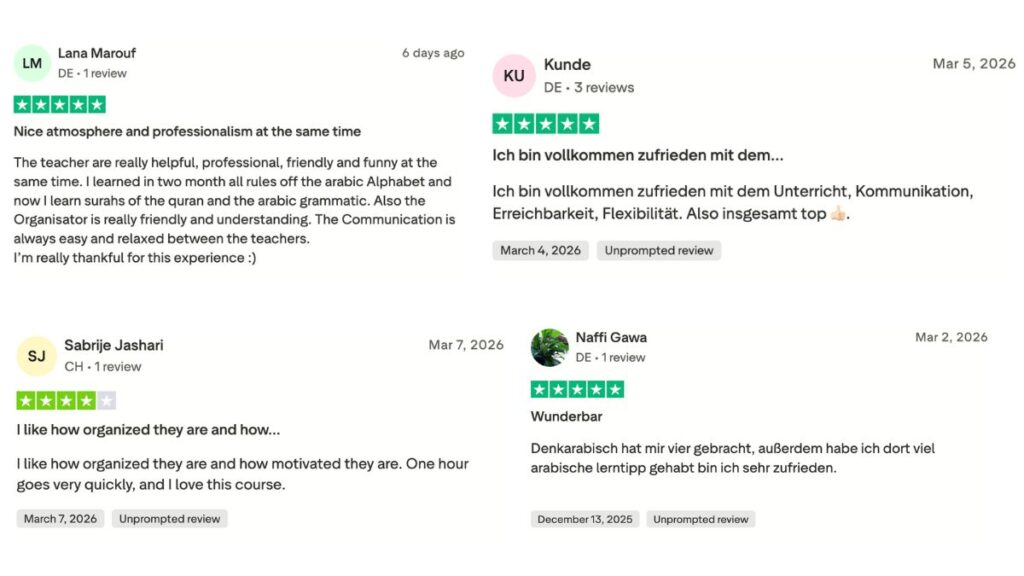
See what our students say about learning at Denk Arabisch Academy on Trustpilot. Read their experiences and check out more reviews to discover how our courses help improve Arabic.
Read also: Please, Excuse Me, And I’m Sorry In Arabic
Master Arabic the right way with Denk Arabisch.
Don’t just learn phrases—learn how to use them correctly in real-life situations, including condolences, greetings, and daily conversations.
Join our Arabic learning program today and:
- Speak Arabic with confidence
- Understand real cultural context with Arabic Lessons
- Use correct Condolences Phrases with islamic studies
- Learn faster with structured Arabic courses
👉 Start learning now with Denk Arabisch and take your Arabic skills to the next level.
Learn Arabic with Denk Arabisch Academy
Speak and understand Arabic through a clear and effective learning system
Try a Free TrialConclusion
Offering condolences in Arabic is a meaningful way to bridge cultural gaps and provide genuine solace during a person’s darkest hours. By using the foundational phrases and understanding the nuances of Dua (دعاء), you demonstrate a level of compassion that transcends language barriers.
Whether you use a formal expression or a local dialect, remember that sincerity is the most important element. Even if your pronunciation is not perfect, your presence and your genuine intent to support those in pain will be deeply valued and appreciated by the grieving family and the community at large.
FAQs
1. Is it appropriate to offer condolences to a Muslim if I am not Muslim?
Absolutely. Offering condolences is seen as a sign of high character and respect for the deceased and their family, regardless of your own faith.
2. Should I use “Allah” if I am not Muslim?
Yes, it is perfectly acceptable. “Allah” is simply the Arabic word for God. Using these phrases is seen as a sign of cultural respect and integration.
3. Can I send a text message or a WhatsApp for condolences?
While a physical visit is highly preferred in Arab culture, a text message is an acceptable immediate response if you are far away or cannot visit right away.
4. What should I avoid saying?
Avoid asking specific questions about the cause of death or talking about unrelated happy events. Stick to prayers for the deceased and words of support for the family.
5. Do I need to wear a headscarf as a non-Muslim woman?
If the condolence gathering is held in a mosque, a headscarf is required. If it is in a private home or a community hall, it is not usually required, but dressing very modestly is essential.